North Carolina heat waves can push air conditioning systems to their limits. While it’s normal for your AC to run longer during periods of extreme heat and humidity, it shouldn’t struggle to maintain the temperature you’ve set.
If your air conditioner seems to run constantly, never reaches the thermostat setting, or causes energy bills to spike, there may be an underlying issue affecting performance. Problems such as dirty air filters, low refrigerant, poor insulation, duct leaks, or aging equipment can all force your system to work harder than necessary.
At Piedmont HVAC, Plumbing, & Chimney, one of the most common summer service calls we receive involves air conditioners that won’t stop running. In many cases, the issue is more than just hot weather. It often points to an efficiency problem, maintenance issue, or component that needs professional attention.
Why Is My AC Running Constantly During a North Carolina Heat Wave?
An air conditioner may run constantly during a North Carolina heat wave because of dirty air filters, low refrigerant levels, poor insulation, duct leaks, thermostat problems, excessive indoor humidity, or an aging HVAC system. While longer cooling cycles are normal during extreme temperatures, continuous operation often indicates reduced efficiency or a mechanical issue that should be professionally inspected.
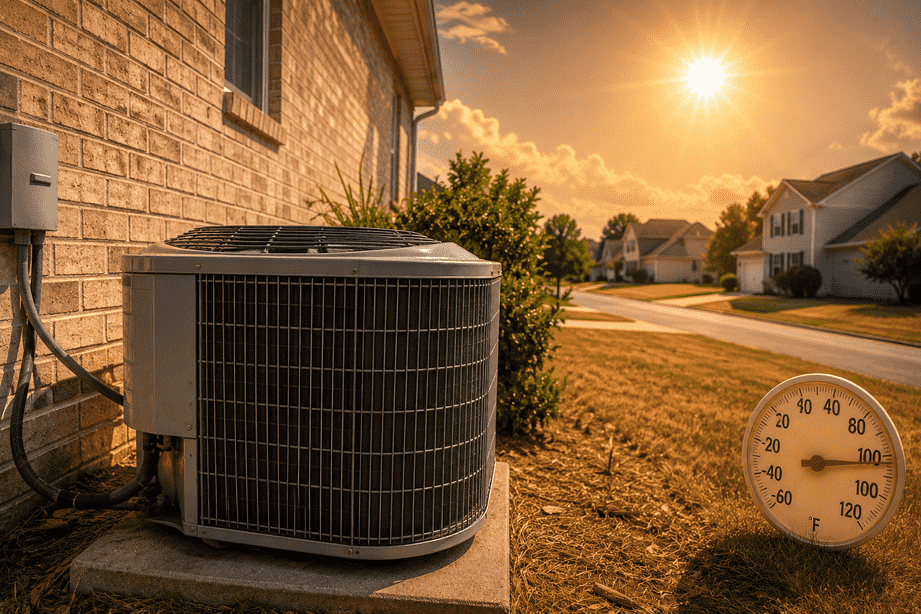
Is It Normal for an AC to Run Longer During a Heat Wave?
Yes, to a certain extent.
Air conditioners are designed to maintain a desired indoor temperature by removing heat from your home. When outdoor temperatures rise dramatically, the difference between indoor and outdoor conditions becomes much greater, forcing the system to work harder.
North Carolina presents an additional challenge because homeowners are dealing with both heat and humidity. Your air conditioner is responsible for cooling the air and removing excess moisture at the same time. As humidity levels increase, cooling demand increases as well.
On extremely hot days, it’s common for cooling cycles to last longer than normal. However, your system should still be able to maintain a relatively consistent indoor temperature. If the AC runs nonstop without reaching the thermostat setting, the problem often extends beyond weather conditions alone.
How North Carolina Humidity Impacts Air Conditioner Performance
Temperature is only part of indoor comfort. High humidity can make your home feel much warmer than the thermostat reading because moisture in the air reduces your body’s ability to cool itself.
When humidity levels rise, many homeowners lower the thermostat to feel more comfortable, causing the AC to run longer and use more energy. Excess moisture also forces the system to work harder to remove humidity from the air. Poor ventilation, inadequate insulation, or an improperly sized AC system can further increase runtime during the summer months.
Dirty Air Filters Restrict Airflow
One of the most common and easiest-to-fix causes of continuous AC operation is a dirty air filter.
Your air filter captures dust, pollen, pet dander, and airborne debris before it enters the HVAC system. Over time, the filter becomes clogged, restricting airflow throughout the system.
When airflow is reduced, the air conditioner cannot move enough conditioned air through the home. The system must operate longer to achieve the same cooling result, often leading to higher utility bills and increased wear on HVAC components.
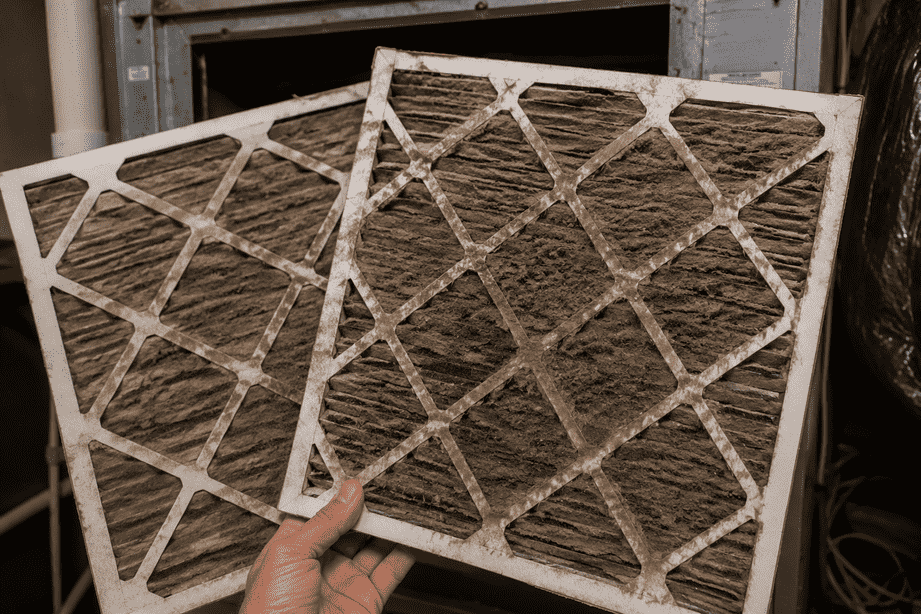
Common signs of a dirty air filter include:
- Weak airflow from supply vents
- Increased dust throughout the home
- Higher energy bills
- Uneven room temperatures
- Longer cooling cycles
- Reduced indoor comfort
Replacing the air filter regularly is one of the simplest ways to improve efficiency and reduce unnecessary runtime.
Low Refrigerant Levels Reduce Cooling Capacity
Refrigerant is the substance responsible for absorbing heat from inside your home and transferring it outdoors. Without the proper refrigerant charge, the cooling process becomes significantly less effective.
Many homeowners assume refrigerant naturally decreases over time. In reality, refrigerant operates within a sealed system. If levels are low, there is usually a leak somewhere in the equipment.
Low refrigerant can cause:
- Continuous AC operation
- Warm air from vents
- Reduced cooling performance
- Ice buildup on coils
- Increased humidity levels
- Higher energy costs
Because refrigerant issues directly affect the system’s ability to transfer heat, your air conditioner may run almost continuously while struggling to cool the home.
Professional diagnosis is necessary to locate leaks, repair damaged components, and restore proper refrigerant levels.
Poor Insulation Allows Heat to Enter the Home
Poor insulation is one of the most overlooked causes of excessive AC runtime. Even a properly functioning air conditioner will struggle if cool air escapes while outdoor heat continuously enters the home.
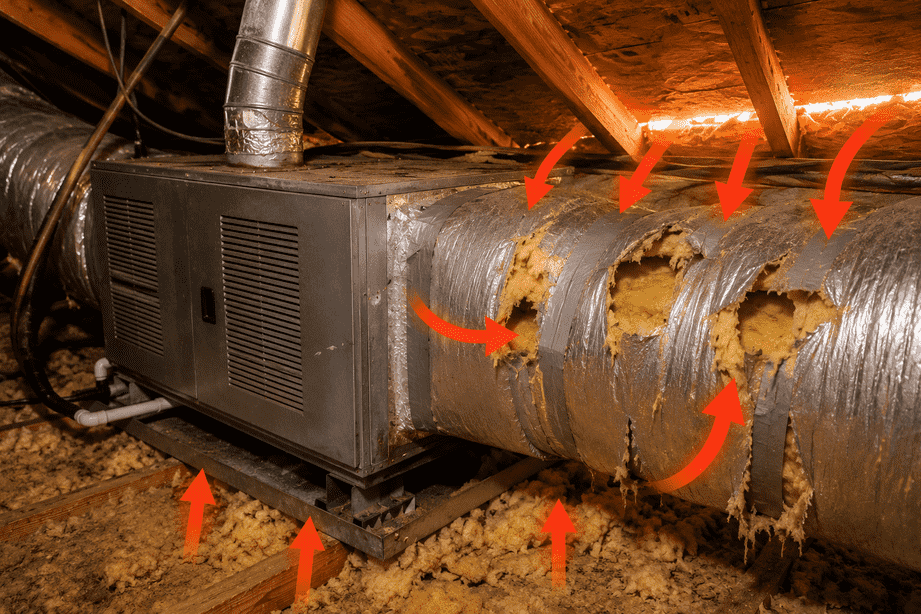
Common problem areas include under-insulated attics, air leaks around windows and doors, poorly insulated walls, and unsealed crawl spaces. During a North Carolina summer, attic temperatures can exceed 130 degrees, allowing heat to transfer into living areas and increasing cooling demand.
Signs of insulation issues include hot upstairs rooms, uneven temperatures, and higher energy bills. Improving insulation can reduce AC runtime, lower cooling costs, and improve overall comfort.
Leaky Ductwork Wastes Conditioned Air
Your duct system is responsible for delivering cooled air throughout your home. Unfortunately, many homes lose a significant percentage of conditioned air before it ever reaches occupied rooms.
Leaks in ductwork allow cooled air to escape into attics, crawl spaces, basements, and wall cavities. As a result, your air conditioner must run longer to compensate for the lost airflow.
Duct leaks often contribute to:
- Hot and cold spots
- Uneven cooling
- Reduced airflow
- Higher energy bills
- Excessive HVAC runtime
Many homeowners are surprised to learn how much efficiency can be recovered through professional duct sealing and airflow optimization.
Aging HVAC Systems Lose Efficiency
Even well-maintained air conditioners experience performance decline over time.
Most central air conditioning systems have an expected lifespan of approximately 10 to 15 years. As components age, efficiency decreases and cooling capacity gradually declines.
Older systems often struggle during heat waves because they must work harder to deliver the same results they once achieved with ease.
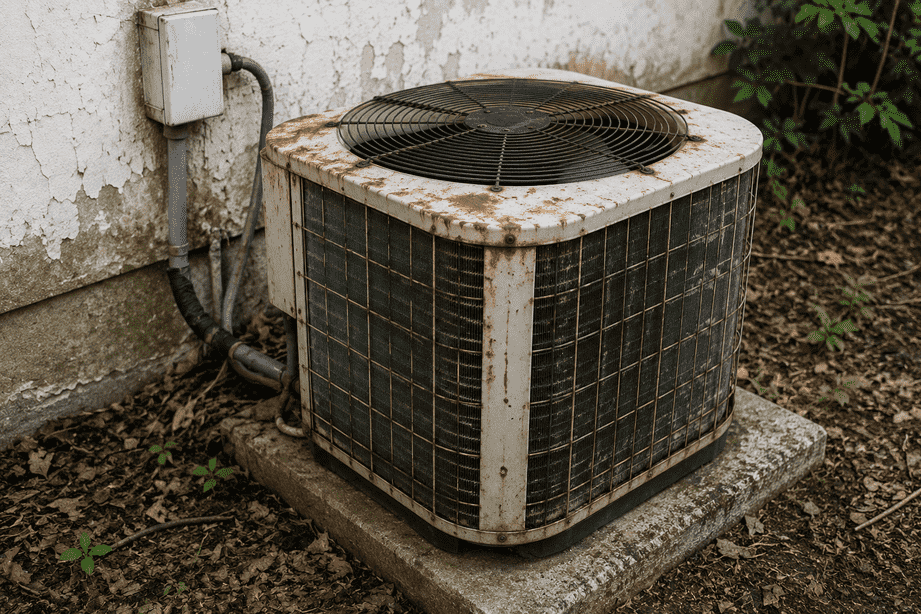
Warning signs of an aging HVAC system include:
- Frequent repairs
- Rising utility bills
- Constant operation
- Uneven temperatures
- Increased noise
- Reduced comfort
Newer high-efficiency systems often provide dramatically improved cooling performance while consuming significantly less energy.
When an older system begins running nonstop during summer, replacement may ultimately be more cost-effective than repeated repairs.
Thermostat Problems Can Cause Continuous Operation
Sometimes the issue isn’t your air conditioner, but the thermostat controlling it. If a thermostat isn’t reading temperatures accurately, it may cause your AC to run longer than necessary.
Common causes include faulty sensors, weak batteries, incorrect calibration, wiring problems, or placement near windows and direct sunlight. For example, a thermostat exposed to sunlight may register higher temperatures and keep the AC running even when the rest of the home is comfortable.
Upgrading to a programmable or smart thermostat can improve temperature accuracy, boost energy efficiency, and help prevent unnecessary AC runtime.
An Oversized or Undersized AC System Creates Efficiency Problems
Proper AC sizing is essential for both comfort and efficiency. An undersized system may run constantly because it cannot keep up with cooling demands, leading to hot rooms, higher energy bills, and difficulty reaching the thermostat setting.
An oversized system can also cause problems. While it cools the home quickly, it often shuts off before removing enough humidity, leaving the air feeling cool but damp and uncomfortable.
Professional HVAC load calculations consider factors such as home size, insulation, window placement, ceiling height, and sun exposure to ensure the system is properly sized for balanced cooling and humidity control.
Excess Indoor Heat Gain Makes Cooling More Difficult
Not all heat comes from outside. Appliances, electronics, lighting, and direct sunlight can add significant heat inside your home, forcing your AC to work harder during a North Carolina heat wave.
Common sources include ovens, dryers, televisions, computers, and large sun-facing windows. To reduce cooling demand, keep blinds closed during peak sunlight hours, use ceiling fans, switch to LED lighting, and run heat-producing appliances during cooler parts of the day.
These simple adjustments can help improve comfort and reduce strain on your air conditioning system.
High Indoor Humidity Can Make Your Home Feel Hotter
High humidity can make your home feel warmer than it actually is, causing many homeowners to think their AC isn’t working properly. Because your HVAC system must remove both heat and moisture, excessive humidity can increase runtime and energy costs.
Common signs include sticky air, condensation on windows, musty odors, and ongoing discomfort even when the thermostat is set correctly. In many cases, the solution isn’t lowering the temperature further but improving humidity control with proper HVAC maintenance or a whole-home dehumidifier.
Dirty Coils Reduce System Efficiency
Your air conditioner relies on both evaporator coils and condenser coils to transfer heat effectively.
Over time, dirt, dust, pollen, and debris accumulate on these components.
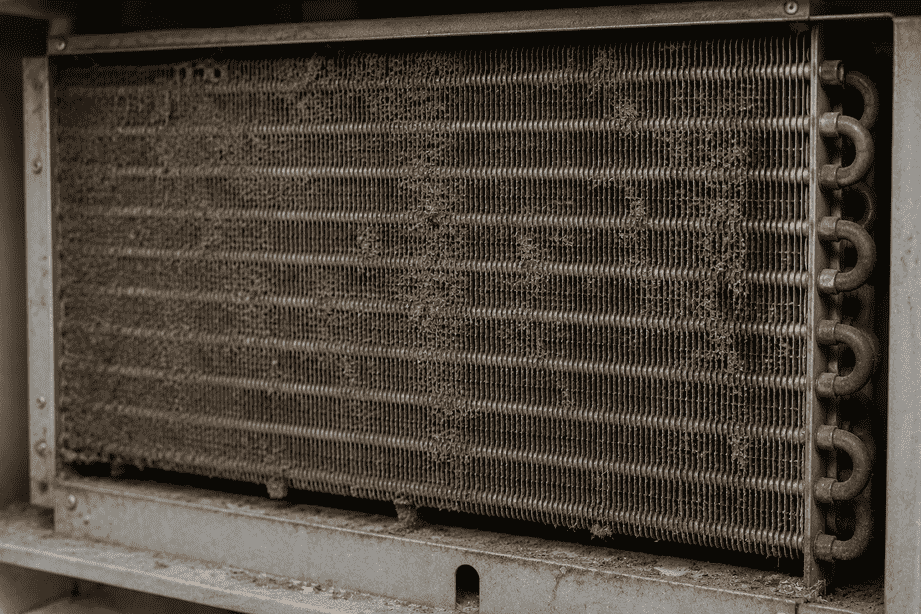
When coils become dirty:
- Heat transfer efficiency decreases
- Cooling capacity drops
- Energy usage increases
- Runtime becomes longer
Dirty outdoor condenser coils are especially common during North Carolina summers because of pollen, grass clippings, leaves, and airborne debris.
Routine maintenance helps keep coils clean and allows your system to operate more efficiently during periods of extreme heat.
Lack of HVAC Maintenance Leads to Performance Problems
Many AC issues that appear during a heat wave begin months earlier.
Routine maintenance helps identify developing problems before they affect performance during peak cooling season.
A professional AC tune-up typically includes:
- Refrigerant inspection
- Airflow testing
- Electrical component evaluation
- Thermostat calibration
- Coil cleaning
- Drain line inspection
- Filter assessment
- System performance testing
Without regular maintenance, small issues can gradually reduce efficiency until they become noticeable during periods of extreme demand. Preventive maintenance remains one of the most effective ways to reduce cooling costs and extend equipment life.
How a Professional AC Inspection Can Help
If your air conditioner runs constantly, guessing rarely solves the problem.
A professional HVAC inspection can identify the specific factors contributing to excessive runtime.
During an inspection, technicians may evaluate:
- Refrigerant levels
- Airflow performance
- Duct leakage
- Insulation concerns
- Thermostat operation
- Electrical components
- Indoor humidity levels
- Equipment age and condition
Identifying the root cause allows homeowners to make informed decisions rather than replacing parts unnecessarily.
Benefits of Scheduling an AC Tune-Up Before Peak Summer
Many homeowners wait until their system stops working before calling for service.
Unfortunately, breakdowns often occur during the hottest days of the year when HVAC companies are busiest.
Scheduling preventive maintenance before summer offers several advantages:
- Improved Energy Efficiency: Well-maintained systems use less electricity to achieve the same cooling results.
- Lower Utility Bills: Reduced runtime and improved performance often translate into lower monthly cooling costs.
- Better Indoor Comfort: Proper airflow, humidity control, and temperature regulation help create a more comfortable living environment.
- Fewer Emergency Repairs: Routine inspections identify worn components before they fail unexpectedly.
- Longer Equipment Life: Regular maintenance helps maximize the lifespan of your HVAC investment.
When Should You Call an HVAC Professional?
- Your AC never reaches the thermostat setting
- Utility bills increase unexpectedly
- Airflow feels weak
- Certain rooms stay hot
- The system runs continuously
- Indoor humidity remains high
- Ice forms on refrigerant lines
- The unit is more than 10 years old and struggling
Early intervention often prevents minor issues from becoming major repairs.

Trust Piedmont HVAC, Plumbing, & Chimney for Reliable Cooling Solutions
North Carolina summers place tremendous demands on residential air conditioning systems. While longer cooling cycles are expected during a heat wave, an AC that runs constantly is often signaling an underlying problem.
Dirty air filters, low refrigerant, duct leaks, poor insulation, thermostat issues, excessive humidity, and aging equipment can all contribute to continuous operation and reduced comfort.
At Piedmont HVAC, Plumbing, & Chimney, we provide comprehensive AC inspections, HVAC tune-ups, air conditioning repair, refrigerant diagnostics, indoor air quality solutions, and system replacement services designed to keep your home comfortable and energy efficient throughout the summer.
If your air conditioner seems to be working around the clock, don’t wait until it breaks down. Schedule a professional AC inspection today and let our experienced team identify the problem before it turns into a costly repair.
Frequently Asked Questions
This is commonly caused by dirty air filters, low refrigerant, duct leaks, poor insulation, thermostat issues, or an aging air conditioning system that is struggling to keep up with demand.
Longer cooling cycles are normal during extreme temperatures, but a system that runs continuously without reaching the thermostat setting often indicates an efficiency or mechanical issue.
Yes. Restricted airflow reduces cooling efficiency, forcing the system to operate longer to achieve the desired indoor temperature.
High humidity makes indoor spaces feel warmer and requires the AC to remove additional moisture from the air, increasing runtime and energy consumption.
Many HVAC professionals recommend around 78 degrees while you’re home for a balance between comfort and energy efficiency.
Yes. Low refrigerant reduces the system’s ability to remove heat, causing longer cooling cycles and poor performance.
Most HVAC professionals recommend a tune-up at least once per year, ideally before the cooling season begins.