Your AC may have seemed perfectly fine earlier in the summer until the heat wave hit. Suddenly the house would not cool properly, the upstairs felt warmer, and the system started running nonstop just to keep up.
This happens to many homeowners across North Carolina during extreme summer heat. Heat waves push HVAC systems under heavy demand for long periods, exposing hidden problems like dirty coils, airflow restrictions, low refrigerant, frozen evaporator coils, and aging components.
Understanding why your AC stops cooling during heat waves can help you prevent expensive breakdowns, improve indoor comfort, and catch small HVAC problems before they turn into major repairs.
At Piedmont HVAC, Plumbing & Chimney, we regularly help homeowners throughout Shelby, Gastonia, Kings Mountain, Lincolnton, Hickory, and surrounding North Carolina areas diagnose summer cooling problems before they turn into complete AC failures.
Why Does an AC Stop Cooling During a Heat Wave?

An AC system may stop cooling during a heat wave because extreme outdoor temperatures force the system to run continuously under heavy demand. Common causes include dirty air filters, frozen evaporator coils, low refrigerant, dirty condenser coils, electrical component failure, poor airflow, thermostat problems, duct leaks, or an aging HVAC system struggling to keep up with summer heat and humidity.
Why Heat Waves Are Hard on Air Conditioning Systems
North Carolina heat waves create more than just high temperatures. They also create high humidity, extreme attic heat, longer cooling cycles, and increased pressure on HVAC components.
Most residential air conditioners are designed to maintain indoor temperatures within a certain operating range. During prolonged extreme heat, the system may run nearly nonstop trying to remove heat and moisture from the home.
That constant workload increases stress on critical components like:
- Compressors
- Capacitors
- Blower motors
- Condenser fan motors
- Refrigerant lines
- Electrical controls
Heat waves also expose hidden HVAC issues much faster.
Dirty Air Filters Restrict Cooling Airflow
One of the biggest reasons an AC stops cooling effectively during extreme heat is restricted airflow caused by a clogged air filter.
Your HVAC system depends on steady airflow to move heat out of the home. When the filter becomes packed with dust, pet hair, debris, and allergens, airflow slows down dramatically.
During a heat wave, this becomes much more serious because the AC already needs maximum airflow to cool efficiently.
Many homeowners first notice symptoms like:
- Weak airflow from vents
- Hot rooms throughout the house
- Longer cooling cycles
- Higher indoor humidity
- Rising energy bills
- Frozen evaporator coils
The problem is that restricted airflow forces the system to work much harder to reach the thermostat setting. Over time, that additional strain can damage components and reduce the lifespan of the HVAC system.
Homes with pets, heavy pollen exposure, dust buildup, or poor indoor air quality often need more frequent filter replacement during summer.
Dirty Condenser Coils Trap Heat Inside the System

Your outdoor condenser unit is responsible for releasing heat collected from inside the home.
When the condenser coils become covered with dirt, grass clippings, leaves, pollen, or debris, the system loses its ability to release heat efficiently.
During a heat wave, this creates major cooling problems.
Instead of transferring heat outdoors properly, the system begins trapping heat internally. This increases compressor workload, reduces cooling capacity, and causes the air conditioner to struggle during the hottest part of the day.
Many homeowners notice this issue during the afternoon when outdoor temperatures peak.
The AC may:
- run nonstop
- blow warmer air
- cool unevenly
- struggle to maintain thermostat settings
- cause high utility bills
This is especially common in North Carolina because pollen, landscaping debris, and heavy summer humidity quickly coat outdoor HVAC units.
Keeping the outdoor condenser clean and maintaining clear airflow around the unit can significantly improve cooling efficiency during extreme heat.
Low Refrigerant Levels Reduce Cooling Capacity
Refrigerant is what allows your air conditioner to absorb and transfer heat from inside the home.
When refrigerant levels become low because of leaks or system damage, the AC loses cooling performance very quickly during heat waves.
In mild temperatures, homeowners may only notice slightly longer cooling cycles. During extreme heat, however, low refrigerant becomes much more obvious because the system can no longer remove heat effectively under heavy demand.
Common signs of low refrigerant include:
- Warm air from vents
- Weak cooling performance
- Ice on refrigerant lines
- Hissing sounds near the system
- Longer run times
- High indoor humidity
Many homeowners mistakenly believe refrigerant simply “runs out” over time. In reality, refrigerant systems are sealed. Low refrigerant almost always indicates a leak somewhere in the HVAC system.
Heat waves place additional stress on compressors operating with low refrigerant, which increases the risk of expensive compressor failure.
Frozen Evaporator Coils Stop Proper Cooling
One of the most misunderstood summer HVAC problems is frozen evaporator coils.
Many homeowners assume ice inside the AC system means the unit is “working extra hard.” In reality, frozen coils usually indicate airflow restrictions or refrigerant problems.
When airflow becomes restricted or refrigerant levels drop, the evaporator coil temperature falls too low and moisture begins freezing across the coil surface.
Once that happens, the system loses its ability to absorb heat properly.
This often causes:
- warm air from vents
- weak airflow
- water leaks near the air handler
- nonstop system operation
- humidity problems indoors
Heat waves make frozen coil problems worse because the system rarely gets downtime between cooling cycles.
Dirty filters, blocked vents, blower motor issues, and low refrigerant are some of the most common causes.
Heat Waves Push Electrical Components Beyond Their Limits
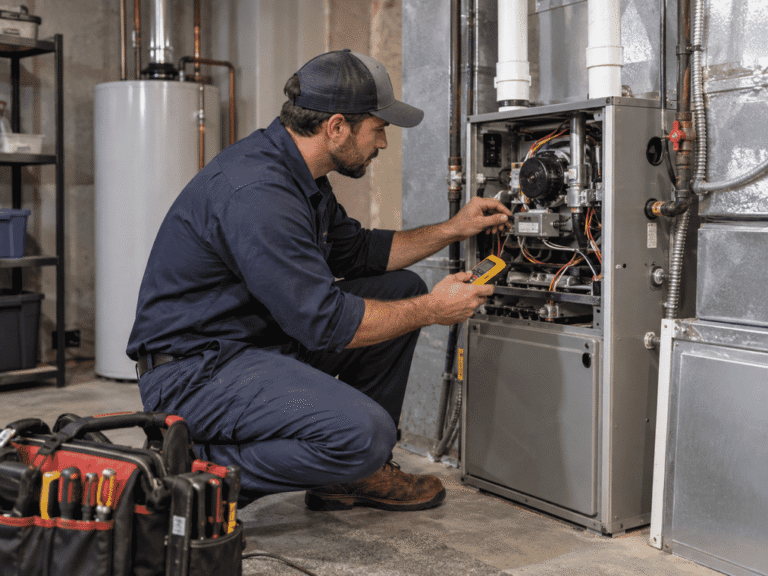
Extreme summer heat creates heavy stress on HVAC electrical components.
Capacitors, contactors, relays, and compressors all operate under increased workload when temperatures stay high for long periods.
A capacitor that was already weakening earlier in the season may suddenly fail during a heat wave because the system is cycling constantly and operating under higher pressure.
This is why many homeowners experience sudden cooling loss during extreme heat even if the AC seemed “mostly fine” previously.
Warning signs of electrical stress often include:
- clicking sounds
- buzzing noises
- delayed startup
- intermittent cooling
- breaker trips
- outdoor fan not spinning
Electrical failures become far more common when HVAC systems operate continuously during prolonged heat waves.
Poor Insulation Makes Cooling Problems Worse
Sometimes the HVAC system itself is not the main issue.
Poor insulation allows heat to enter the home faster than the AC can remove it.
This becomes especially noticeable during extreme summer temperatures when attic heat buildup becomes severe.
Homes with poor insulation often experience:
- hot upstairs rooms
- uneven cooling
- constant AC operation
- rising indoor temperatures during afternoons
- high humidity levels
Many homeowners lower the thermostat repeatedly during heat waves hoping the house cools faster. In reality, this usually forces the AC to run even longer without solving the underlying heat gain problem.
Attic insulation, air sealing, and proper ventilation play a major role in overall cooling performance.
Leaky Ductwork Reduces Cooling Efficiency

Ductwork problems become much more noticeable during heat waves because the HVAC system is already under maximum demand.
If cooled air escapes through leaks in the attic, crawl space, or walls, the system must work significantly harder to maintain indoor comfort.
This often creates:
- weak airflow
- uneven room temperatures
- excessive humidity
- hot spots in the house
- higher energy bills
Older homes throughout North Carolina commonly develop duct leakage over time due to aging materials, disconnected ducts, or poor sealing.
During extreme heat, even moderate duct leakage can dramatically reduce cooling efficiency.
Your AC May Simply Be Undersized for Extreme Heat
Not every struggling AC system is broken.
Some homes simply have undersized air conditioners that cannot fully keep up during prolonged heat waves.
An undersized HVAC system may perform adequately during normal weather but struggle heavily once temperatures stay in the upper 90s for several consecutive days.
Common signs include:
- nonstop operation
- rising indoor temperatures
- poor humidity control
- hot upstairs rooms
- uneven cooling throughout the home
Several factors affect HVAC sizing:
- square footage
- insulation quality
- window exposure
- ceiling height
- attic heat
- ductwork layout
- home orientation
Many older homes were built before modern energy efficiency standards, which increases cooling demand during summer heat waves.
Why Humidity Makes Cooling Problems Feel Worse
North Carolina humidity changes everything.
Air conditioners do not just cool the air. They also remove moisture from the home.
During heat waves, outdoor humidity levels often remain extremely high, forcing HVAC systems to remove both heat and moisture simultaneously.
This creates additional strain on:
- evaporator coils
- blower motors
- condensate drain systems
- compressors
When humidity levels rise indoors, homeowners often describe the house as:
- sticky
- damp
- muggy
- uncomfortable even at lower thermostat settings
High humidity is often one of the first signs that an AC system is struggling.
Preventive HVAC Maintenance Helps Prevent Summer Breakdowns
Most summer cooling failures are not caused by a single catastrophic issue.
They are usually the result of small problems building up over time until extreme heat exposes them.
Routine HVAC maintenance helps identify problems before heat waves arrive.
Professional AC maintenance typically includes:
- cleaning condenser coils
- checking refrigerant pressure
- inspecting capacitors
- testing airflow
- replacing filters
- clearing drain lines
- inspecting blower components
- evaluating thermostat performance
Preventive maintenance improves:
- cooling efficiency
- indoor comfort
- humidity control
- energy efficiency
- system lifespan
It also significantly reduces the likelihood of emergency HVAC repairs during peak summer temperatures.

Some HVAC problems should never be ignored during a heat wave.
You should schedule professional AC service if:
- your AC blows warm air
- airflow becomes weak
- indoor humidity rises
- refrigerant lines freeze
- water leaks near the indoor unit
- the system runs nonstop
- electrical breakers trip repeatedly
- cooling becomes uneven
Delaying repairs during extreme heat can lead to larger system failures and much more expensive repairs later.
At Piedmont HVAC, Plumbing & Chimney, we help homeowners diagnose airflow problems, refrigerant leaks, frozen coils, thermostat issues, electrical failures, and cooling performance problems during North Carolina heat waves.
Whether your system needs maintenance, AC repair, airflow diagnostics, or complete cooling system replacement, identifying the root cause early helps prevent bigger HVAC problems later in the season.
FAQs
Extreme heat forces HVAC systems to run longer under heavier demand. Dirty filters, refrigerant problems, frozen coils, airflow restrictions, or electrical failures often reduce cooling performance during heat waves.
Longer run times are common during extreme heat, but nonstop operation combined with poor cooling may indicate airflow issues, low refrigerant, dirty coils, or insulation problems.
Yes. Dirty filters restrict airflow, reduce cooling efficiency, increase system strain, and may eventually cause frozen evaporator coils.
Frozen evaporator coils are usually caused by low airflow, dirty filters, refrigerant leaks, blocked vents, or blower motor problems.
Outdoor temperatures, attic heat, and solar heat gain peak during the afternoon, increasing cooling demand across the HVAC system.
Most HVAC systems should receive professional maintenance at least once per year before summer begins.