You turn on the faucet and expect clean water. That is how your plumbing system should work every day. Water should move from the clean supply into your home, not backward from a hose, sprinkler line, boiler, pool connection, or outdoor faucet.
Backflow happens when water reverses direction and moves into a clean water line. That may sound like a plumbing technicality, but it is really about protecting the water your family drinks, cooks with, bathes in, and uses around the house.
The concern is simple: clean water should not mix with dirty, stagnant, or non-drinkable water. When pressure changes inside a plumbing system, water from the wrong source can be pulled or pushed back into the clean side of the system. That is why backflow prevention matters.
What Backflow Means
Backflow is the unwanted reverse flow of water in a plumbing system. In a normal setup, water moves one way: from the clean water supply into your home. When backflow happens, water from another source moves backward into the clean line.
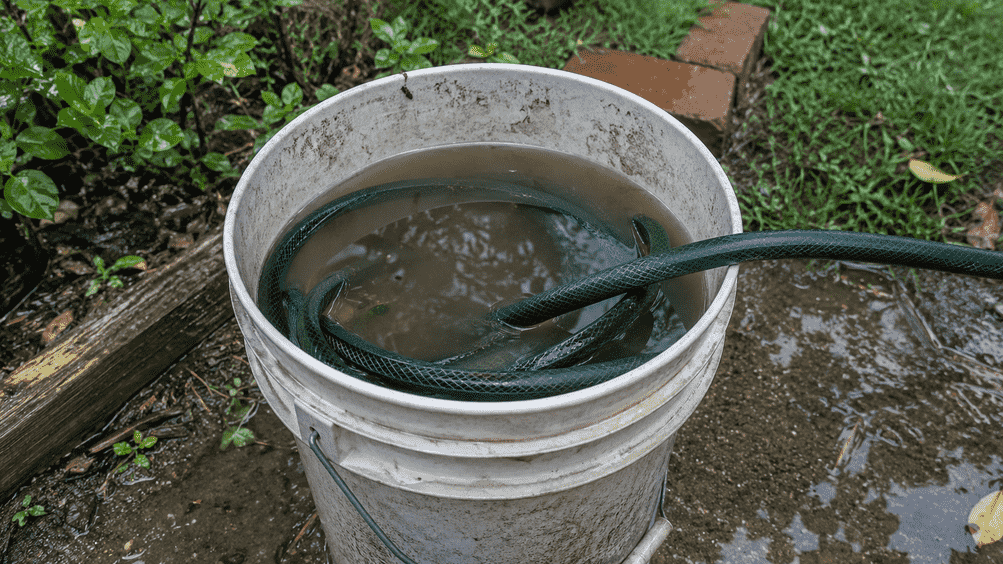
A common example is a garden hose sitting in a bucket of dirty water. If the water pressure drops while the hose end is submerged, that dirty water can be pulled backward through the hose. Without the right protection, it may enter the plumbing system.
Backflow can involve more than hose water. It can also involve irrigation water, pool water, boiler water, cleaning products, fertilizer, lawn chemicals, rust, sediment, bacteria, or stagnant water.
Why Backflow Happens
Backflow usually comes from a pressure change. The two main causes are backsiphonage and backpressure.
Backsiphonage happens when pressure drops in the clean water line and creates a suction effect. This can happen during a water main break, plumbing repair, fire hydrant use, sudden pressure loss, or heavy water demand nearby. If a hose or sprinkler line is sitting in contaminated water at that moment, the pressure drop can pull that water backward.
Backpressure is different. It happens when pressure from another system becomes stronger than the pressure in the clean water line. This can happen with irrigation systems, boilers, pumps, pressure tanks, fire sprinkler systems, heating equipment, or certain outdoor water connections.
The difference is easy to remember: backsiphonage pulls water backward. Backpressure pushes water backward.
What a Backflow Preventer Does
A backflow preventer helps stop water from moving backward into the clean water supply. It acts like a safety barrier in the plumbing system. Water can move forward, but the device helps block reverse flow when pressure changes happen.
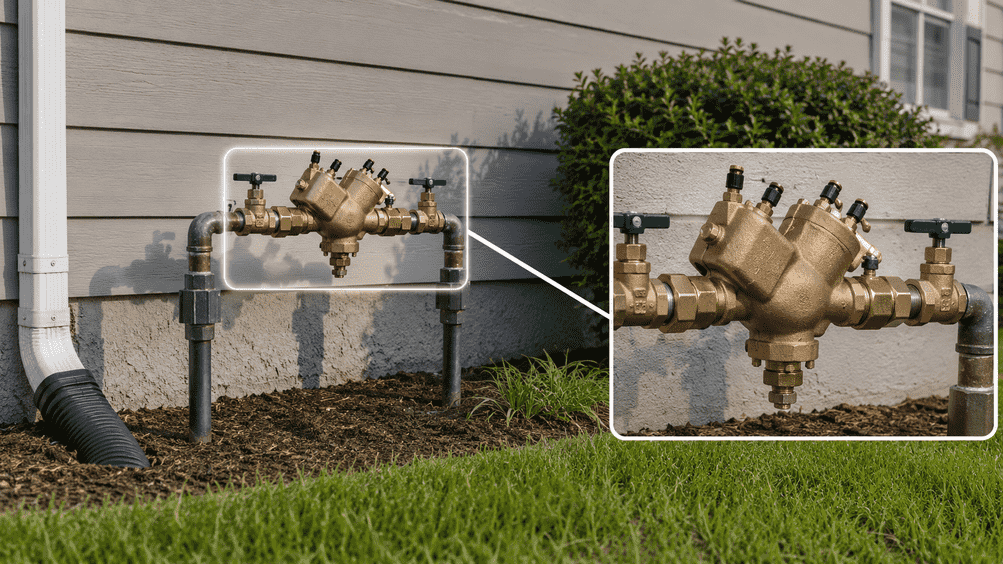
You may see a backflow preventer near an irrigation system, outdoor faucet, water meter, boiler, mechanical room, sprinkler connection, or commercial plumbing setup. Some devices are small and simple. Others are larger assemblies with valves, test ports, and internal parts.
The right setup depends on the plumbing connection and the level of risk. A garden hose, sprinkler system, boiler, and pool fill line may not need the exact same protection.
Common Backflow Risks Around the Home
Backflow risks are often closer than homeowners realize. A cross-connection can happen anywhere clean water could come into contact with water or substances that are not safe to drink.
Common risks include:
- Garden hoses: A hose sitting in a bucket, pool, pond, chemical sprayer, or standing water can pull dirty water backward if pressure drops.
- Irrigation systems: Sprinkler lines can contain soil, fertilizer, pesticides, bacteria, insects, and animal waste. That water should never move back into the clean water supply.
- Boilers and heating systems: Some systems may contain rust, sediment, treatment additives, or water that is not safe for household use.
- Utility sinks and laundry areas: Hose attachments can become a risk if they sit below the water level in a sink, basin, or bucket.
- Pool fill lines and outdoor water features: Pool water, algae, debris, and stagnant water should stay separate from clean plumbing lines.
These risks do not always mean something is wrong, but they do show why proper protection matters around the home.
Signs There May Be a Backflow Problem
Backflow is not always easy to spot because it happens inside the plumbing system. You may not see water moving backward, but you may notice signs that something is wrong.
Watch for:
- Strange taste or odor: Water may taste metallic, smell unusual, or seem different than normal.
- Cloudy or dirty-looking water: Discoloration, sediment, or cloudy water can point to a water quality issue.
- Sudden low water pressure: Pressure changes can happen when a backflow preventer is clogged, damaged, or not opening properly.
- Leaks near the backflow preventer: Water dripping, spraying, or pooling around the device should be checked.
- Rust or corrosion: Visible wear can mean the device is weakening or may not seal correctly.
- Weak sprinkler pressure: Irrigation problems can sometimes point back to the backflow preventer.
- Failed backflow test: A failed test means the device is not performing the way it should.
- Problems after freezing weather: Outdoor backflow preventers can crack or leak if water freezes inside the assembly.
A leaking or damaged backflow preventer does not always mean your drinking water has been contaminated, but it does mean the device may not be protecting your system properly. That is enough reason to call a plumber.
Backflow Is Different From a Sewer Backup
Backflow and sewer backups both involve water moving the wrong way, but they are not the same plumbing problem.
- Backflow: This affects clean water lines. It happens when unwanted water moves backward into the clean water supply, often because of a pressure change.
- Sewer backup: This affects drain and sewer lines. It happens when wastewater comes back up through toilets, tubs, sinks, floor drains, or other drains.
Both problems should be handled quickly, but they require different plumbing solutions. If dirty water is coming from a faucet, it may be a backflow concern. If wastewater is coming up through a drain, it may be a sewer backup.
Why Testing and Repairs Matter
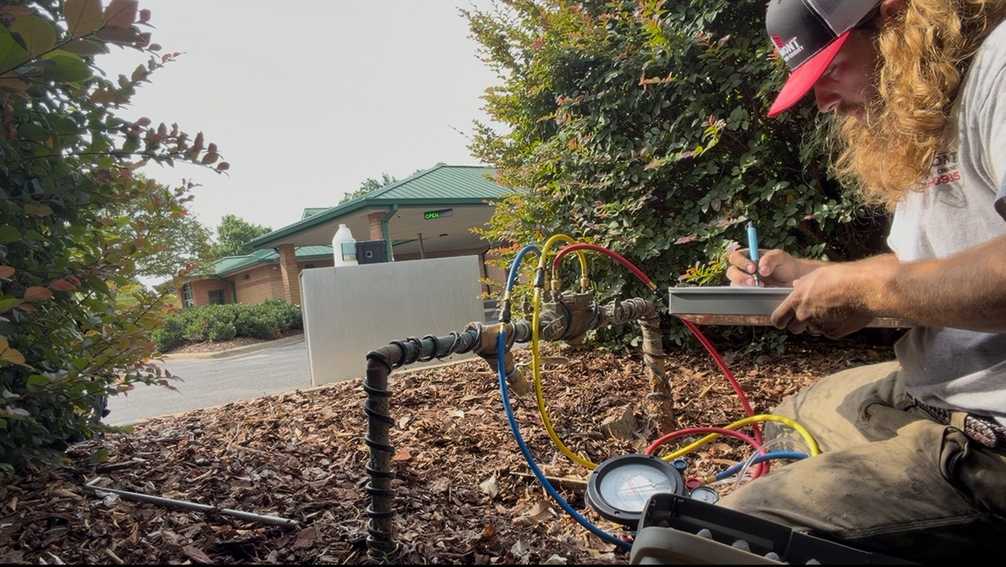
A backflow preventer can look fine on the outside but still fail internally. The parts inside the device need to open, close, seal, and hold pressure correctly. Over time, those parts can wear out, collect debris, corrode, freeze, or stop working.
Testing helps confirm whether the device is still protecting your clean water supply. If it fails testing, it should be repaired or replaced before it is trusted again.
This is not something to guess on. A backflow preventer is a water safety device, not just a regular valve. If it is installed incorrectly, repaired with the wrong parts, or replaced with the wrong device, water may still flow normally, but the system may not be properly protected.
How Homeowners Can Reduce Backflow Risk
You cannot control every pressure change in a plumbing system, but you can lower the risk with a few simple habits:
- Keep hose ends out of dirty water. Do not leave hoses sitting in buckets, pools, ponds, chemical containers, or standing water.
- Use proper outdoor faucet protection. If you connect hoses to sprayers, cleaners, or pool-filling equipment, make sure the faucet has the right backflow protection.
- Check your sprinkler backflow preventer. A few times a year, look for leaks, rust, cracks, missing caps, pooling water, damaged insulation, or signs of freeze damage.
- Protect outdoor devices from freezing. Water trapped inside a backflow preventer can freeze, expand, and crack the device.
- Pay attention to water changes. If your water suddenly smells, tastes, or looks unusual, avoid drinking or cooking with it until the issue is checked.
Small habits like these can help protect your clean water supply and catch backflow preventer problems early.
When to Call Piedmont HVAC, Plumbing and Chimney
Call Piedmont HVAC, Plumbing and Chimney if your backflow preventer is leaking, cracked, corroded, failing a test, or causing water pressure problems. You should also call if your sprinkler system has weak pressure or your water suddenly looks, smells, or tastes unusual.
Our North Carolina plumbing team can inspect the device, explain what is happening, and recommend the right repair or replacement. We help with backflow preventer repair, backflow preventer replacement, irrigation backflow issues, leaking valves, pressure problems, and plumbing safety concerns.
Final Thoughts
Backflow is easy to overlook until there is a leak, failed test, pressure issue, or water quality concern. But clean water should only move in one direction. When water moves backward, dirty or unsafe water can end up where it does not belong.
If your backflow preventer is leaking, damaged, frozen, corroded, or failing a test, do not wait. Contact Piedmont HVAC, Plumbing and Chimney today for expert backflow preventer service in North Carolina. Our team can inspect the issue, explain your options, and help protect your home’s water supply.
Frequently Asked Questions
Early signs of a backflow problem may include unusual water taste, bad odors, cloudy water, sudden pressure changes, or water leaking near a backflow preventer. These symptoms do not always confirm backflow, but they should be checked because they can point to a plumbing safety issue.
Yes. Backflow can happen without obvious color, smell, or taste changes. Water may look clear even when a pressure change has allowed non-potable water to move toward clean water lines, which is why proper backflow prevention matters.
Irrigation systems need backflow prevention because sprinkler lines can contain soil, fertilizer, pesticides, bacteria, stagnant water, and outdoor debris. A working irrigation backflow preventer helps keep that water from flowing backward into the home’s clean water supply.
Yes. Outdoor faucets can create a backflow risk when a hose is attached and the hose end is placed in a pool, bucket, chemical sprayer, pond, or dirty water. A hose bibb vacuum breaker helps reduce this risk.
Yes. Backflow preventers should be visually checked for leaks, rust, cracks, missing caps, and water pooling around the device. Some systems may also require professional testing to confirm the device is working properly.
Yes. A damaged, clogged, or failing backflow preventer can restrict water flow and cause low water pressure, weak sprinkler performance, or uneven water delivery. Pressure changes can also be a sign that the device needs inspection.
If your water suddenly smells, tastes, or looks unusual, avoid drinking or cooking with it until the issue is checked. The cause could be sediment, plumbing issues, water heater problems, or a possible backflow-related concern.