Low water pressure is one of those problems homeowners usually try to live with at first. The shower feels weaker. The kitchen sink takes longer to fill a pot. The washing machine seems slower. Then one day, every faucet in the house feels off, and the problem is harder to ignore.
Sometimes the fix is simple, like cleaning a clogged faucet aerator or replacing a showerhead. Other times, low water pressure can point to a bigger plumbing issue, such as a failing pressure regulator, hidden water leak, corroded pipes, water supply problem, or private well system issue.
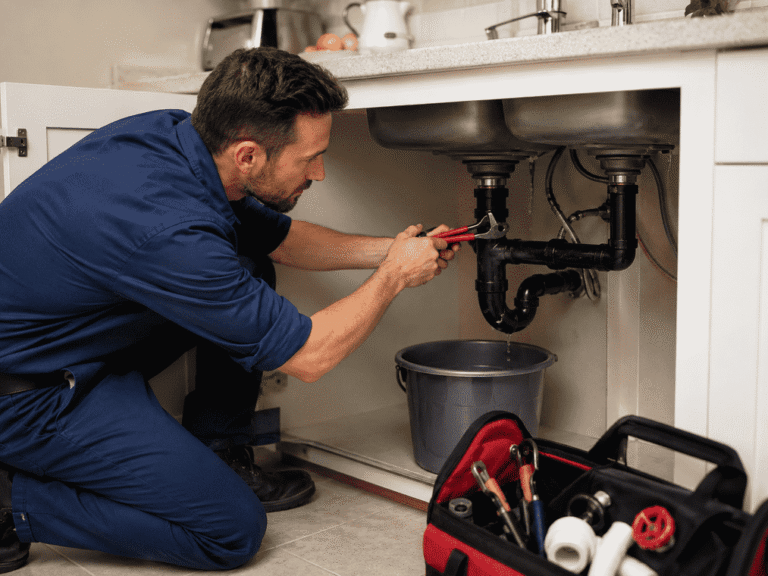
The key is knowing the difference between a small fixture problem and a warning sign that needs a plumber. Piedmont HVAC, Plumbing and Chimney helps homeowners in Shelby and nearby North Carolina communities find the cause of weak water flow and get their plumbing system working the way it should.
What Causes Low Water Pressure in a House?
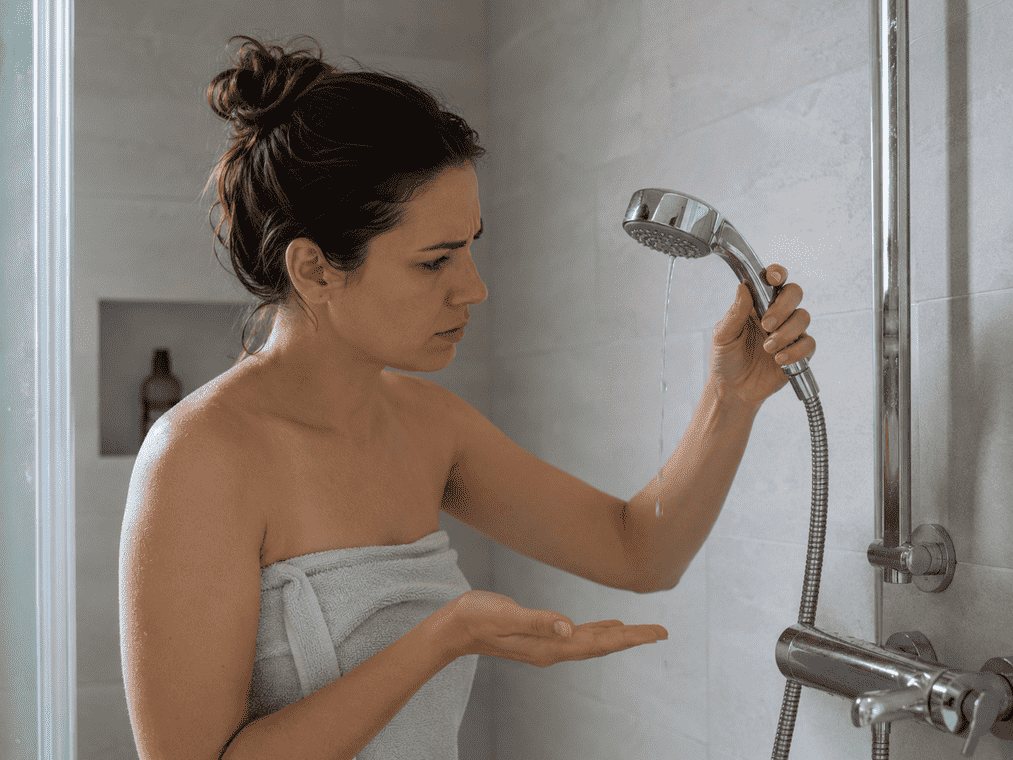
Low water pressure in a house is commonly caused by clogged faucet aerators, blocked showerheads, partially closed shutoff valves, a failing pressure reducing valve, hidden plumbing leaks, corroded or aging pipes, municipal water supply issues, or private well pump and pressure tank problems. If low water pressure affects the whole house, appears suddenly, only affects hot water, or comes with wet spots, high water bills, rusty water, or unusual pipe noises, it is time to call a plumber.
First, Find Out If It Is One Fixture or the Whole House
Before assuming the worst, check where the low pressure is happening. This first step can save a lot of confusion.
Ask yourself:
- Is only one faucet weak?
- Is only one shower affected?
- Is the whole house losing pressure?
- Is the problem only with hot water?
- Did it happen suddenly?
- Is the pressure worse at certain times of day?
- Do neighbors have the same issue?
If only one sink or shower has weak water flow, the problem is often local to that fixture. If every faucet, shower, hose bib, and appliance has low pressure, the issue may be near the main water line, pressure regulator, water meter, shutoff valve, well system, or municipal supply.
That is why a plumber usually starts by narrowing down the pattern. Low water pressure is not one single problem. It is a symptom.
1. Clogged Faucet Aerators
A clogged faucet aerator is one of the most common and easiest causes of low water pressure at a single sink. The aerator is the small screen at the end of the faucet. It helps shape the water stream, but it can also collect sediment, mineral buildup, and small debris over time.
Signs of a clogged aerator include:
- Low pressure at one faucet
- Water spraying unevenly
- Normal pressure at other fixtures
- White, green, or gritty buildup around the faucet tip
- Weak flow after plumbing work or water line repairs nearby
This is common in homes with hard water, older pipes, or recent water service interruptions. Sediment can break loose and collect in the aerator screen.
A homeowner can often unscrew the aerator, rinse it, soak it, or replace it. If the faucet is still weak after cleaning, the problem may be deeper in the fixture, supply line, shutoff valve, or plumbing branch.
2. Blocked Showerheads or Fixture Cartridges
If your shower pressure is weak but the rest of the house feels normal, the showerhead or valve cartridge may be restricted. Mineral deposits can build up inside the showerhead, especially where water is hard. Some shower valves can also collect debris in the cartridge, which affects hot and cold water flow.
Common signs include:
- Weak shower pressure
- Uneven spray pattern
- Good pressure at nearby sinks
- One bathroom affected more than others
- Pressure changes when adjusting temperature
Try removing and cleaning the showerhead first. If the showerhead is not the issue, the valve cartridge may need professional attention. This is especially true if the handle is hard to turn, water temperature fluctuates, or only hot or cold water has poor flow.
Low shower pressure can seem minor, but it may reveal buildup inside the fixture or a restriction in the bathroom supply line.
3. Partially Closed Shutoff Valves
A valve does not have to be fully closed to cause weak water flow. If a main shutoff valve, meter valve, fixture stop, or water heater valve is only partly open, it can restrict pressure throughout part of the home.
This can happen after:
- Plumbing repairs
- Water heater service
- Utility work
- Leak repairs
- Winterization
- Fixture replacement
- Someone turning a valve without reopening it fully
Check the main water shutoff if the whole house has low pressure. Also check under-sink valves if only one faucet is affected. For hot water pressure problems, check the valve on the cold water supply going into the water heater.
Do not force a stuck valve. Older valves can break, leak, or fail when handled roughly. If a valve feels frozen, corroded, or loose, call a plumber instead of pushing it.
4. A Failing Pressure Regulator
Many homes have a pressure reducing valve, often called a PRV or water pressure regulator. This device helps control the water pressure coming into the home from the main supply.
When a PRV starts to fail, pressure can become too low, too high, or inconsistent. Some homes may notice sudden weak pressure throughout the house. Others may notice pressure that starts strong and then drops once multiple fixtures are running.
Signs of a possible pressure regulator problem include:
- Low water pressure throughout the home
- Pressure that changes randomly
- Weak flow when two fixtures run at once
- Pipes making unusual noises
- Pressure that feels too high one day and too low the next
- A pressure gauge reading that does not match normal household use
In North Carolina, water pressure above 80 psi must be reduced with an approved pressure reducing valve, which is one reason the PRV is an important part of many plumbing systems.
A failing PRV is not always obvious from the outside. A plumber can test the home’s static and dynamic water pressure, check the regulator, and determine whether adjustment, repair, or replacement is needed.
5. Hidden Plumbing Leaks
Low water pressure can be a warning sign of a hidden leak. If water is escaping somewhere before it reaches your fixtures, you may notice weaker flow, higher water bills, damp areas, or unexplained sounds in the walls or floors.
Household leaks can waste a lot of water. Current water-efficiency data shows the average household leak can waste more than 9,300 gallons per year, and 9% of homes have leaks that waste 50 gallons or more per day.
Watch for these signs:
- Sudden drop in water pressure
- Higher water bill without higher usage
- Wet spots on walls, floors, ceilings, or yard areas
- Moldy or musty odors
- Sound of running water when fixtures are off
- Water meter movement when no water is being used
- Warm spots on the floor from a hot water slab leak
- Cracks, soft flooring, or stains near plumbing lines
A hidden leak should not be ignored. Small leaks can damage drywall, flooring, framing, cabinets, and crawl spaces. If low water pressure appears with moisture, odors, or a rising water bill, call Piedmont HVAC, Plumbing and Chimney for leak detection and plumbing repair.
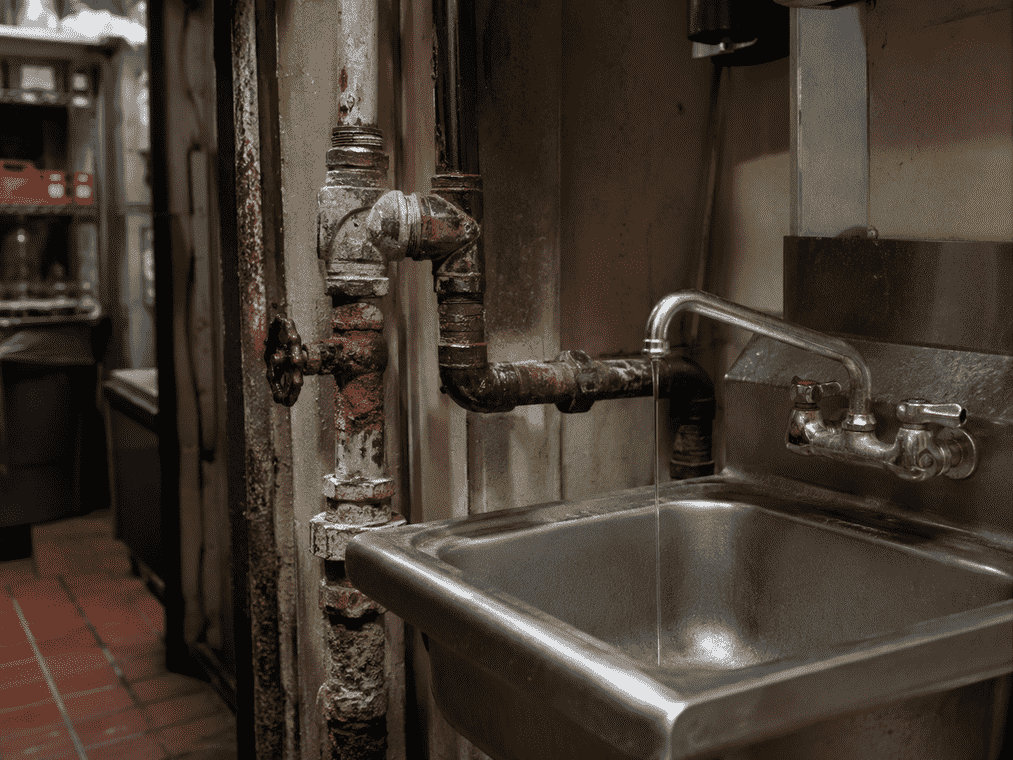
6. Corroded or Aging Pipes
Older plumbing pipes can restrict water flow from the inside. Galvanized steel pipes are especially known for internal corrosion and buildup over time. As the inside of the pipe narrows, less water can move through, even if the outside of the pipe looks fine.
Signs of aging or corroded pipes include:
- Low pressure throughout the home
- Rusty or discolored water
- Pressure that gets worse over time
- Frequent leaks
- Water that tastes metallic
- Weak hot and cold water
- Older home with original plumbing
This type of low water pressure usually does not happen overnight. It slowly gets worse as corrosion, scale, and mineral buildup reduce the pipe’s interior space.
Cleaning a faucet aerator may help for a few days, but the problem keeps coming back because the debris is coming from inside the plumbing system. A plumber can inspect the piping, identify the affected areas, and explain whether repair or repiping makes more sense.
7. Water Supply or Well System Problems
Not every low water pressure issue starts inside the house. Sometimes the water supply itself is the cause.
If you have city water, low pressure may come from:
- Water main repairs
- Nearby construction
- Hydrant flushing
- High neighborhood demand
- Valve issues near the meter
- Service line problems
- Water main breaks
If you have a private well, low pressure may involve:
- Well pump problems
- Pressure tank issues
- Pressure switch failure
- Low well yield
- Clogged sediment filters
- Electrical problems
- Waterlogged pressure tank
For homes with private wells, the pump and pressure tank work together to provide water pressure. When the pressure tank or pump is not working correctly, pressure can drop, surge, or run out quickly during normal use.
If your neighbors also have low pressure, the issue may be outside your home. If only your home is affected, the problem may be with your service line, pressure regulator, shutoff valve, plumbing system, or well equipment.
Do Not Ignore Sudden Low Water Pressure
A slow decline in water pressure often points to buildup, aging pipes, fixture restrictions, or a regulator issue. A sudden drop deserves faster attention.
Sudden low water pressure can be caused by:
- A burst pipe
- A major hidden leak
- A water main issue
- A failed pressure regulator
- A closed valve
- A broken well pump
- A clogged main line
- A serious plumbing restriction
Pressure drops in drinking water systems can also matter from a water quality standpoint because low pressure can allow movement from outside a pipe into the system through cracks, breaks, or joints in certain situations.
For a homeowner, the practical takeaway is simple. If the pressure drops suddenly and you cannot explain why, do not wait days to see what happens. Check for obvious shutoff valve issues, ask whether neighbors are affected, and call a plumber if the problem is inside your home.
What If Only the Hot Water Pressure Is Low?
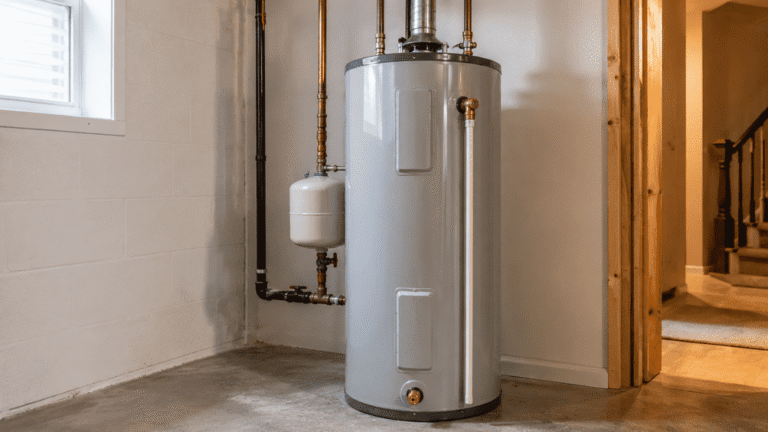
Low hot water pressure is a different clue. If cold water pressure is normal but hot water is weak, the problem may be tied to the water heater, hot water piping, or a valve near the heater.
Possible causes include:
- Partially closed water heater valve
- Sediment inside the water heater
- Corroded hot water lines
- Faulty mixing valve
- Scale buildup in fixtures
- Water heater connection restriction
- Aging pipes on the hot water side
Do not ignore low hot water pressure, especially if it comes with rusty water, popping noises from the water heater, leaks around the tank, or inconsistent temperatures. Piedmont HVAC, Plumbing and Chimney can check both the plumbing and water heater side of the issue.
How a Plumber Diagnoses Low Water Pressure
A professional plumber does more than guess. The goal is to find where pressure is being lost and why.
A low water pressure diagnosis may include:
- Testing pressure at hose bibs
- Checking static and running pressure
- Comparing hot and cold water flow
- Inspecting faucet aerators and showerheads
- Checking shutoff valves
- Testing the pressure reducing valve
- Looking for hidden leaks
- Checking the water meter
- Inspecting visible piping
- Reviewing water heater connections
- Checking well pump and pressure tank operation if applicable
The pattern matters. One weak faucet points in a different direction than a whole-house pressure drop. Weak hot water points somewhere different than weak cold water. Pressure that drops only when several fixtures run may point to supply, pipe sizing, restriction, or regulator issues.
When Low Water Pressure Warrants Calling a Plumber
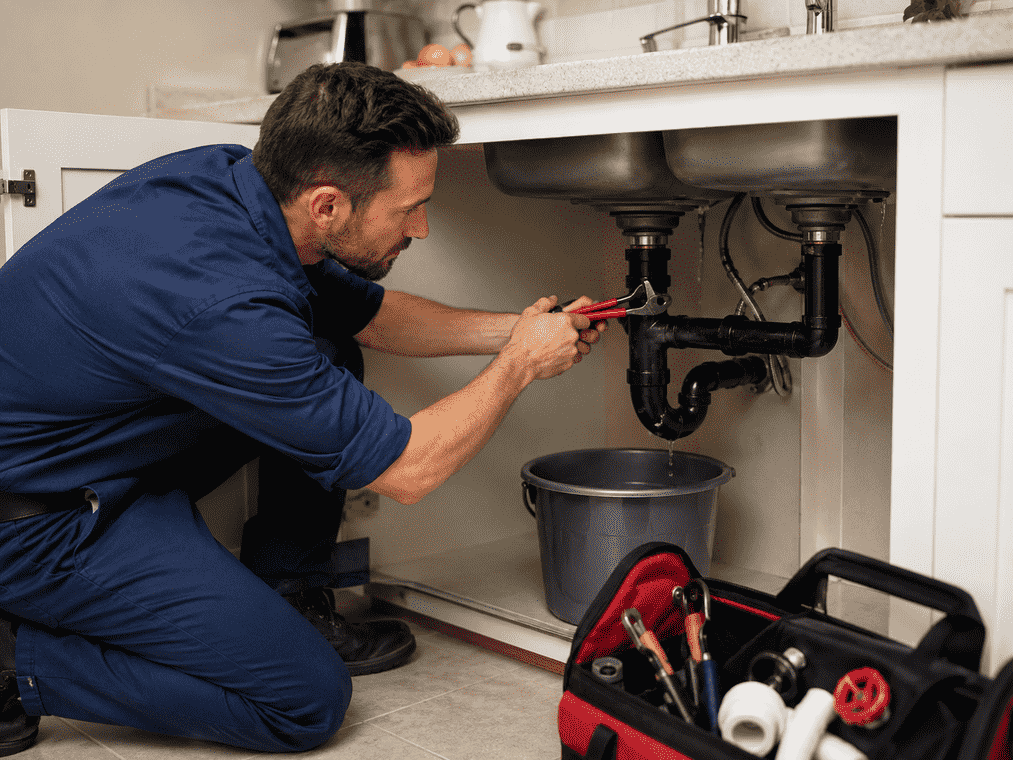
Some low pressure problems are simple enough to check yourself. But there are times when calling a plumber is the smarter move.
Call Piedmont HVAC, Plumbing and Chimney if:
- The whole house has low water pressure
- Pressure drops suddenly
- Low pressure comes with a higher water bill
- You see wet spots, stains, or moldy odors
- You hear water running when fixtures are off
- Hot water pressure is weak but cold water is normal
- Pressure changes throughout the day for no clear reason
- Pipes are rusty, noisy, or leaking
- Your pressure regulator may be failing
- Your well pump or pressure tank is acting up
- You have recurring clogs in aerators or showerheads
A plumber can test the system, find the restriction or leak, and fix the actual cause instead of replacing random fixtures.
Final Thoughts
Low water pressure is easy to dismiss until it starts affecting every shower, sink, appliance, and routine in the house. Sometimes the cause is simple. Other times, weak water flow points to a hidden leak, failing pressure regulator, corroded pipes, water supply issue, or well system problem.
Start by checking whether the issue affects one fixture or the whole home. Clean obvious aerators, make sure valves are open, and pay attention to warning signs like rising water bills, wet spots, rusty water, or sudden pressure changes.
If the problem does not have a simple explanation, do not ignore it. Call Piedmont HVAC, Plumbing and Chimney today to schedule low water pressure troubleshooting and get your plumbing system checked by a professional.
Frequently Asked Questions
Sudden low water pressure throughout the house may be caused by a closed valve, failed pressure regulator, hidden leak, water main issue, clogged main line, or well pump problem. If your neighbors are not affected, call a plumber to check your home’s plumbing system.
One weak faucet is often caused by a clogged aerator, blocked supply line, faulty cartridge, or partially closed shutoff valve under the sink. Clean the aerator first. If pressure stays low, the fixture or local plumbing line may need service.
Yes. Mineral buildup, sediment, and debris can block a showerhead and reduce water flow. If the sink pressure in the same bathroom is normal, the showerhead or shower valve cartridge may be the issue.
A pressure reducing valve, or PRV, controls the water pressure entering the home. If the PRV fails, household water pressure may become too low, too high, or inconsistent.
Yes. Older pipes can corrode or collect mineral buildup inside, reducing the space water has to flow through. This can cause weak water pressure, rusty water, recurring clogs, and leaks.
Pressure that drops when multiple fixtures run may point to pipe restrictions, undersized piping, a failing pressure regulator, supply line problems, or well system limitations. A plumber can test pressure under flow to find the cause.