Your AC is running, but the house still feels warm, humid, or uncomfortable. Maybe the airflow feels weaker than usual, certain rooms refuse to cool down, or the system seems to run nonstop during the afternoon. These are some of the most common summer HVAC problems homeowners experience, especially during periods of extreme heat and humidity.
In many cases, the issue comes down to two major causes: dirty air filters or low refrigerant. The difficult part is that both problems create very similar symptoms. Your AC may struggle to cool properly, energy bills may increase, and the system may appear overworked even though the root cause is completely different.
Understanding the difference between restricted airflow and refrigerant-related cooling problems can help prevent expensive HVAC repairs, improve cooling efficiency, and protect your system from long-term damage.
At Piedmont HVAC, Plumbing & Chimney, we regularly help homeowners across North Carolina diagnose airflow restrictions, frozen evaporator coils, refrigerant leaks, and weak cooling performance before they turn into major air conditioning failures.
Dirty Filters vs Low Refrigerant
Dirty air filters restrict airflow through the HVAC system, making the air conditioner work harder to circulate cool air. Low refrigerant reduces the system’s ability to absorb and remove heat from the home. Both problems can cause weak cooling, nonstop AC operation, frozen coils, and high energy bills, but refrigerant leaks typically require professional repair while dirty filters are usually a maintenance issue.

Why These Problems Feel So Similar
Dirty filters and low refrigerant often confuse homeowners because they create many of the same warning signs. In both situations, the air conditioner loses efficiency and struggles to maintain indoor comfort.
Homeowners commonly notice:
- weak airflow
- uneven room temperatures
- rising indoor humidity
- higher utility bills
- longer cooling cycles
- nonstop AC operation
The difference is what is happening inside the HVAC system.
A dirty air filter mainly creates an airflow restriction. The system physically cannot move enough air across the evaporator coil to cool the home efficiently.
Low refrigerant creates a heat transfer problem. The system may still move air normally, but it cannot absorb and remove heat properly because refrigerant levels are too low.
Both issues force the AC system to work harder, especially during North Carolina summers when heat and humidity already push HVAC systems under heavy demand.
How Dirty Air Filters Reduce Cooling Performance
Your HVAC air filter traps airborne particles before they enter the evaporator coil and blower system. Over time, dust, pollen, pet hair, dirt, and debris begin clogging the filter surface. As buildup increases, airflow through the system becomes restricted.
Once airflow slows down, the AC loses cooling efficiency quickly. Instead of circulating cool air properly throughout the house, the system begins running longer cycles while struggling to maintain comfortable temperatures.
Many homeowners first notice:
- weak airflow from vents
- rooms cooling unevenly
- increased dust inside the home
- stuffy indoor air
- longer run times during the afternoon
- higher electric bills
Dirty filters become especially problematic during summer heat waves because the HVAC system already needs maximum airflow to maintain cooling performance.
Why Dirty Filters Can Freeze the Evaporator Coil
One of the biggest misconceptions homeowners have is believing frozen evaporator coils happen because the AC is “working too hard.” In reality, frozen coils are commonly caused by restricted airflow.
When not enough warm air passes across the evaporator coil, coil temperatures drop too low. Moisture in the air begins freezing along the coil surface, eventually creating a layer of ice that blocks airflow even further.
Once the evaporator coil freezes, homeowners may experience:
- little or no airflow from vents
- warm air inside the home
- humidity problems
- water leaking around the indoor unit
- nonstop AC operation
Dirty filters are one of the most common causes of frozen evaporator coils during summer.
How Low Refrigerant Reduces Cooling Capacity
Refrigerant is the substance responsible for absorbing heat from inside your home and transferring it outdoors. Without the proper refrigerant charge, the air conditioner cannot remove heat effectively.
Unlike air filters, refrigerant does not naturally “run out.” If refrigerant levels are low, the system almost always has a leak somewhere in the refrigerant lines, evaporator coil, or condenser.
Low refrigerant problems often become much more noticeable during periods of extreme heat because the AC must remove larger amounts of heat and humidity from the home.
Common signs of low refrigerant include:
- warm air from vents
- poor cooling during afternoons
- nonstop AC operation
- high indoor humidity
- frozen refrigerant lines
- hissing sounds near the system
- rising utility bills
Many homeowners describe the issue by saying:
“The AC keeps running, but the house never feels comfortable.”
That is often a major sign the HVAC system is losing cooling capacity.
Why Refrigerant Leaks Become Serious Quickly
Low refrigerant is more than just a comfort issue. It also creates significant stress on the HVAC system.
When refrigerant levels drop, the compressor must work much harder to maintain cooling performance. Over time, this additional workload can cause compressor overheating or complete compressor failure.
Compressor replacement is one of the most expensive AC repairs homeowners face, which is why refrigerant leaks should never be ignored.
Unlike replacing a dirty air filter, refrigerant leaks require professional diagnosis and repair. Simply adding refrigerant without fixing the leak only creates temporary improvement while the underlying problem continues getting worse.
Dirty Filter vs Low Refrigerant: The Biggest Differences
The easiest way to understand the difference is simple:
Dirty filters restrict airflow.
Low refrigerant reduces heat removal.
Although both problems create similar symptoms, there are still several ways homeowners can identify which issue may be affecting the system.
Dirty Filter Symptoms
Dirty air filters commonly cause:
- weak airflow
- dusty indoor air
- uneven room temperatures
- frozen evaporator coils
- stuffy conditions inside the home
Low Refrigerant Symptoms
Low refrigerant more commonly causes:
- warm air from vents
- hissing or bubbling noises
- ice on refrigerant lines
- poor cooling during heat waves
- nonstop AC operation
In many situations, homeowners actually experience both problems at the same time. Restricted airflow can increase HVAC strain while refrigerant leaks reduce cooling performance even further.
Why Heat Waves Make Both Problems Worse
Extreme summer heat exposes HVAC weaknesses quickly. During heat waves, air conditioners run longer cooling cycles while trying to remove both heat and humidity from the home.
That added workload places heavy stress on:
- compressors
- blower motors
- evaporator coils
- refrigerant systems
- electrical components
A slightly dirty air filter may not seem serious during mild weather, but during a heat wave, the same restriction can dramatically reduce airflow and cooling efficiency.
Low refrigerant behaves similarly. A system that cooled “well enough” during spring may suddenly struggle once temperatures remain in the upper 90s for several days.
This is one reason emergency AC repair calls increase heavily during the hottest weeks of summer.
Why Homeowners Misdiagnose Cooling Problems
Many homeowners assume:
- weak airflow automatically means low refrigerant
- frozen coils mean the AC is “too cold”
- warm rooms mean the thermostat is failing

In reality, HVAC systems are highly connected, and one issue often triggers another.
For example:
- dirty filters can freeze evaporator coils
- frozen coils can reduce airflow
- low refrigerant can also freeze coils
- poor airflow increases compressor strain
- refrigerant problems reduce humidity control
This is why professional HVAC diagnostics are important. Replacing refrigerant without fixing the leak will not solve the problem, and ignoring dirty filters can eventually damage expensive HVAC components.
How Often Should Air Filters Be Replaced?
Air filter replacement frequency depends heavily on:
- pets
- allergies
- indoor dust levels
- HVAC usage
- home size
- indoor air quality conditions
Most homeowners should check filters every 30 to 90 days.
Homes with multiple pets, heavy pollen exposure, smokers, or construction dust often require more frequent filter replacement.
A simple rule works well:
If the filter looks dirty, replace it.
Can Dirty Filters Increase Energy Bills?
Yes. Dirty filters force the HVAC system to run longer in order to cool the same amount of space.
Restricted airflow creates:
- higher runtime
- increased electrical usage
- reduced cooling efficiency
- additional strain on HVAC components
Many homeowners notice rising energy bills before realizing the air filter has become clogged.
Why Refrigerant Problems Require Professional Repair
Refrigerant systems are sealed and pressurized. Low refrigerant almost always indicates:
- refrigerant leaks
- damaged coils
- loose fittings
- corrosion
- installation problems
Professional HVAC technicians use specialized tools to:
- measure refrigerant pressure
- locate leaks
- evaluate airflow
- inspect evaporator coils
- test system temperatures
Trying to ignore refrigerant issues often leads to larger HVAC repairs and significantly reduced cooling performance later.
Warning Signs You Should Not Ignore
Some AC problems should never be delayed during summer.
You should schedule professional HVAC service if you notice:
- ice on refrigerant lines
- warm air from vents
- weak airflow
- nonstop system operation
- water leaking near the indoor unit
- rising indoor humidity
- hissing sounds
- repeated breaker trips
These symptoms usually indicate the HVAC system is operating under excessive stress.
Routine HVAC maintenance helps identify airflow and refrigerant problems before they become major breakdowns.
Professional AC tune-ups commonly include:
- airflow testing
- refrigerant pressure checks
- evaporator coil inspections
- condenser cleaning
- filter replacement
- thermostat evaluation
- electrical component testing
Preventive maintenance improves:
- cooling efficiency
- humidity control
- indoor comfort
- energy efficiency
- system lifespan
It also reduces the likelihood of emergency AC failures during summer heat waves.
Why North Carolina Humidity Makes Cooling Problems Worse
North Carolina summers create especially difficult conditions for HVAC systems because air conditioners must remove both heat and moisture at the same time.
When airflow becomes restricted or refrigerant levels drop, humidity control often becomes one of the first noticeable problems.
Homeowners may describe the house as:
- sticky
- damp
- muggy
- uncomfortable even at lower temperatures
High humidity is often a strong sign the HVAC system is struggling to cool efficiently.
When to Call Piedmont HVAC, Plumbing & Chimney
If your air conditioner:
- runs nonstop
- struggles to cool the house
- blows weak air
- freezes up
- leaks water
- causes unusually high utility bills
your HVAC system may be dealing with airflow restrictions, low refrigerant, or both.
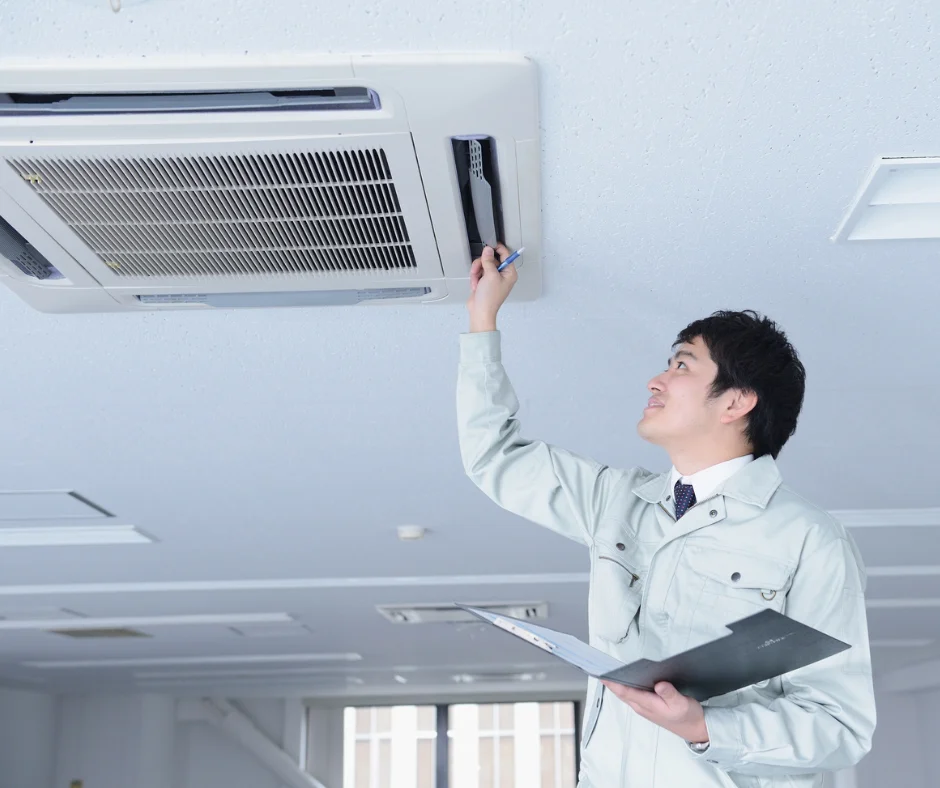
At Piedmont HVAC, Plumbing & Chimney, we help homeowners across North Carolina diagnose cooling performance problems before they turn into expensive system failures.
Whether you need refrigerant leak detection, AC repair, airflow diagnostics, frozen coil repair, or preventive HVAC maintenance, identifying the root problem early can help protect your comfort and your HVAC investment long-term.
FAQs
Dirty filters usually cause weak airflow and dusty indoor air, while low refrigerant often causes warm air, frozen refrigerant lines, nonstop operation, and poor cooling during extreme heat.
Yes. Dirty filters restrict airflow through the HVAC system, reducing cooling efficiency and sometimes causing frozen evaporator coils.
Low refrigerant symptoms often include warm air from vents, hissing sounds, frozen coils, rising humidity, and longer cooling cycles.
Absolutely. Restricted airflow forces the system to run longer, increasing electrical usage and placing additional strain on HVAC components.
Low refrigerant changes pressure levels inside the evaporator coil, causing temperatures to drop too low and moisture to freeze along the coil and refrigerant lines.
Most homeowners should check filters every 30 to 90 days, although homes with pets, allergies, or heavy dust often need more frequent replacement.