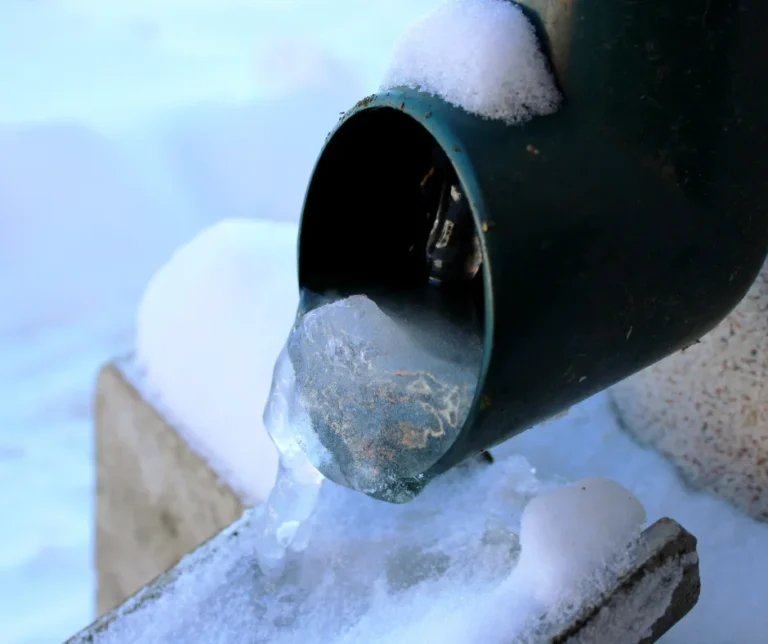
A frozen pipe often starts with a simple warning: little or no water from a faucet on a cold morning.
When water freezes inside plumbing, pressure can build and the pipe may crack or split. The leak may not appear until the ice thaws, allowing water to damage walls, flooring, cabinets, crawl spaces, and other areas.
This guide covers how to prevent frozen pipes, spot a frozen water line, thaw accessible plumbing safely, and know when to call a plumber before the problem becomes a burst pipe.
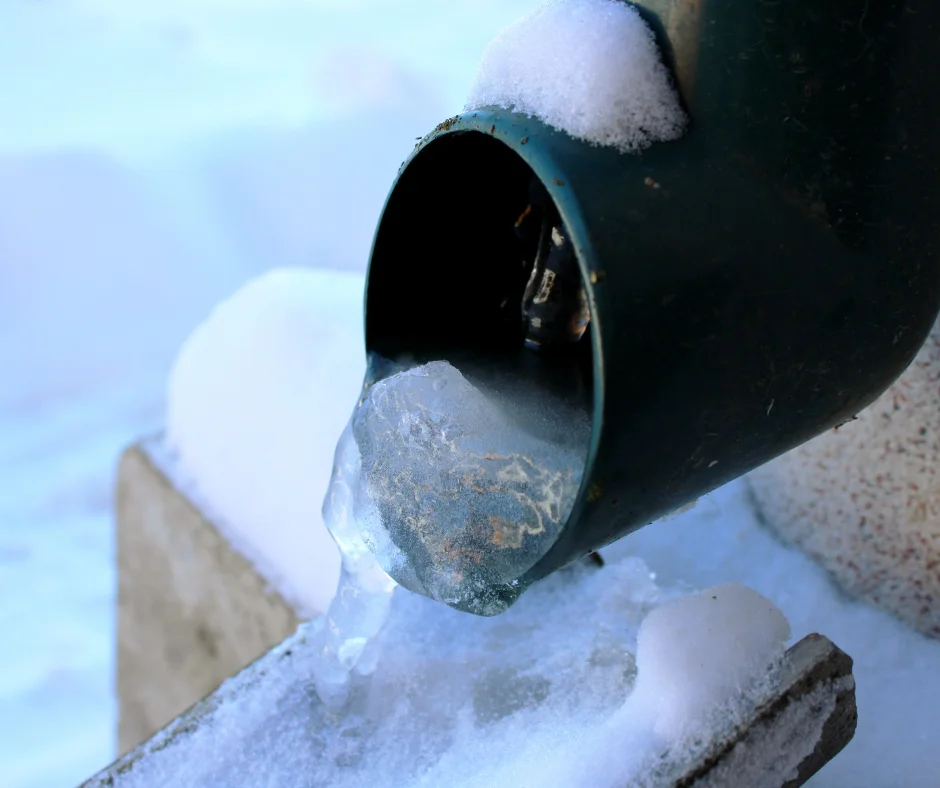
How Do You Prevent Frozen Pipes?
To help prevent frozen pipes, insulate exposed plumbing, disconnect outdoor hoses, protect exterior faucets, keep indoor heat running during freezing weather, open sink cabinets along exterior walls, seal drafts around pipes, and allow vulnerable faucets to drip slightly during severe cold when appropriate.
If a pipe freezes, keep the faucet open and warm the pipe gradually with safe heat. Never use an open flame.
If the pipe is leaking, damaged, inaccessible, or will not thaw safely, shut off the water and call a plumber.
Why Do Pipes Freeze?
Water freezes at 32°F, but plumbing does not automatically freeze the moment outdoor temperatures reach freezing. Risk depends on how exposed the pipe is, how well it is protected, and how long the cold lasts.
A pipe inside a heated wall may stay protected while plumbing in a crawl space, garage, attic, or exterior wall can cool much faster.
Cold drafts, exterior walls, garages, crawl spaces, and unheated areas increase risk.
Insulation and access to warm indoor air help slow heat loss around water lines.
The longer plumbing remains exposed to freezing conditions, the greater the chance of ice forming.
Which Pipes Are Most Likely to Freeze?
Pipes are most vulnerable when they run through unheated, poorly insulated, or drafty areas of the home.
Pipes in crawl spaces
Plumbing in attics
Pipes in unheated garages
Water lines in unfinished basements
Plumbing inside exterior walls
Pipes under sinks along exterior walls
Outdoor faucets and hose bibs
Irrigation and sprinkler lines
Plumbing in sheds or other unheated structures
Water lines exposed to cold drafts
If a pipe sits outside the heated portion of your home or is exposed to outdoor air, give it extra protection before freezing weather arrives.
7 Ways to Help Protect Your Pipes During Freezing Weather
A few simple winter-preparation steps can reduce the chance of frozen water lines and burst-pipe damage.
Insulate Exposed Water Pipes
Add pipe insulation around vulnerable plumbing in crawl spaces, attics, garages, unheated basements, and exterior walls. Approved heat cable may also help in some locations when installed correctly.
Protect Outdoor Faucets
Disconnect garden hoses, drain outdoor lines when possible, and use insulated faucet covers. Irrigation and sprinkler plumbing should also be properly winterized.
Keep the Home Warm Enough
Maintain consistent indoor heat during freezing weather. If you are away, keeping the thermostat around 55°F or higher is a commonly used minimum precaution.
Open Cabinets Around Vulnerable Plumbing
Opening sink cabinets along exterior walls can help warm indoor air circulate around water lines during severe cold.
Seal Cold Drafts Around Pipes
Seal gaps around plumbing penetrations, foundations, windows, doors, and utility openings where cold air can reach nearby pipes.
Keep Garage Doors Closed
If plumbing runs through or beside the garage, keep the door closed during freezing weather to reduce exposure to outdoor air.
Let Vulnerable Faucets Drip During Severe Cold
A small trickle can keep water moving through pipes that are prone to freezing. Use this as a temporary cold-weather precaution, not a substitute for proper insulation.
Pipes in exterior walls, crawl spaces, garages, attics, and other unheated areas generally need the most attention before a hard freeze.
How to Tell If a Pipe Is Frozen
One of the clearest warning signs is little or no water coming from a faucet during freezing weather. If one fixture loses flow while others still work, the line serving that fixture may be frozen.
No water from a particular faucet
Suddenly reduced water pressure
One fixture loses water while others still work
Pipes are located in an area exposed to severe cold
The problem starts after overnight freezing temperatures
A frozen pipe may not leak until it begins to thaw. Ice can temporarily block a crack, and water may escape quickly once pressure returns.
What Should You Do If You Think a Pipe Is Frozen?
Start with safe, gradual warming. Avoid extreme heat and stop if you cannot reach the frozen section safely.
Open the Faucet
Leave the affected faucet slightly open so melting water has somewhere to flow as the pipe begins to thaw.
Locate the Frozen Section
Check exposed plumbing in cold areas such as exterior walls, crawl spaces, garages, attics, and unheated rooms.
If the frozen section is hidden or difficult to reach, call a plumber instead of opening walls or dismantling plumbing.
Warm the Pipe Gradually
For accessible pipes, use gentle heat such as a hair dryer, heating pad, warm towels, or warm room air.
Begin near the faucet side and work gradually toward the frozen area.
Torches, open-flame heaters, and other direct flame sources can damage plumbing and create a serious fire hazard.
Should You Shut Off the Water?
Every homeowner should know where the main water shutoff valve is before an emergency happens.
If you think a pipe has already split, is leaking, or may start leaking as it thaws, shutting off the main water supply can help prevent major water damage.
If you are unsure whether a frozen pipe is damaged, calling a plumber before thawing it may be the safest next step.
Turn off the water immediately if:
- You see an active leak
- Water begins spraying from a pipe
- Water is coming through a ceiling or wall
- A damaged pipe becomes visible
- You suspect the line burst while frozen
Why Frozen Pipes Can Burst After They Thaw
A pipe can crack while frozen and still appear dry because ice may temporarily block the damaged area.
Once the ice melts and water pressure returns, water can escape through the crack and spread into surrounding materials.
Do not assume a frozen pipe is safe simply because it is not leaking yet.
- Drywall and ceilings
- Flooring and cabinets
- Insulation
- Crawl spaces
- Electrical areas
- Stored belongings
Hidden moisture can also create longer-term problems if affected materials are not dried properly.
When Should You Call a Plumber for a Frozen Pipe?
Call a plumber if the frozen pipe is hidden, leaking, damaged, inaccessible, or does not respond to safe thawing.
You cannot locate the frozen section safely
The frozen pipe is inside a wall or inaccessible area
You suspect the pipe has cracked, split, or burst
Water is leaking into the home
The main water line may be frozen
Safe warming does not restore water flow
Multiple fixtures have lost water
The same pipe freezes repeatedly during cold weather
Poor insulation, cold drafts, or vulnerable pipe placement may need correction to keep the problem from returning.
What to Do If a Pipe Bursts
If a frozen pipe bursts, act quickly to stop the water, reduce hazards, and limit damage to the surrounding area.
Stop the flow of water as quickly as possible to limit additional flooding.
Do not enter standing water or handle electrical equipment if there may be an electrical hazard.
The damaged section needs to be located and repaired before the plumbing system is safely returned to service.
Removing excess water quickly can help reduce damage to floors, walls, cabinets, and nearby materials.
Dry flooring, drywall, insulation, cabinets, and other affected materials as thoroughly as possible.
A burst pipe can quickly become both a plumbing problem and a water damage problem.
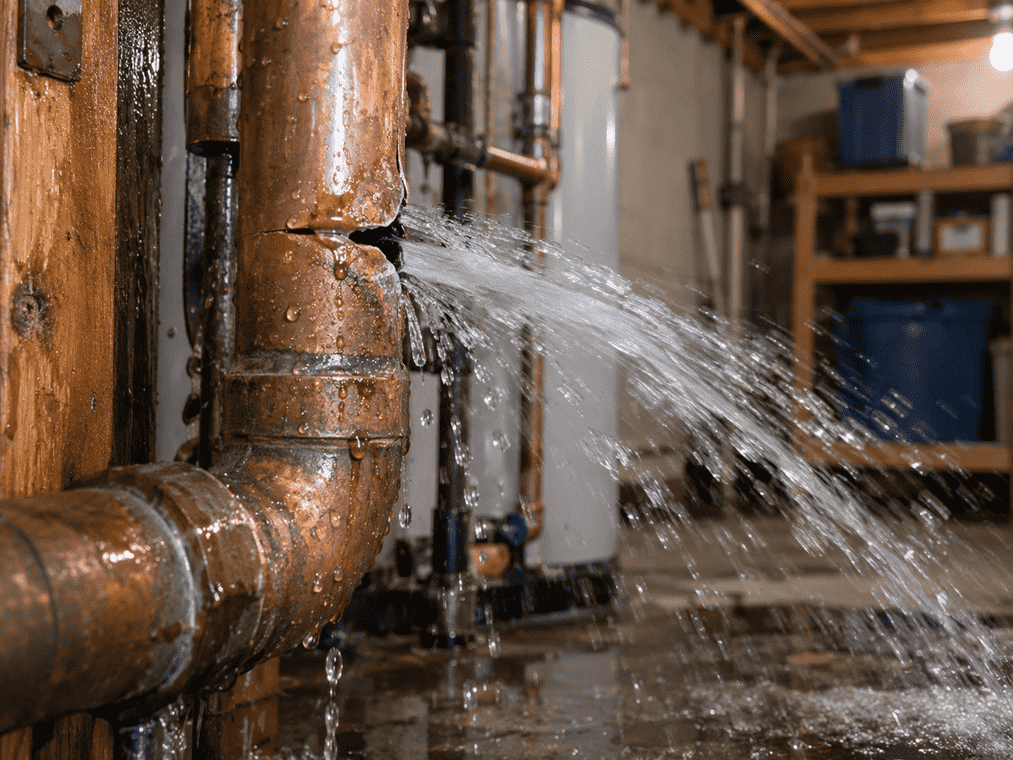
A Simple Frozen-Pipe Prevention Checklist
Run through these items before the next hard freeze to help protect vulnerable plumbing.
Insulate exposed plumbing
Disconnect garden hoses
Protect outdoor faucets
Winterize irrigation plumbing
Seal obvious cold-air leaks around plumbing
Keep garage doors closed near water lines
Open cabinets around vulnerable pipes during severe cold
Maintain adequate indoor heat
Consider a small faucet drip during extreme cold
Locate the main water shutoff valve
Make sure everyone in the household knows how to shut off the water
Knowing where the main shutoff is before a pipe fails can save valuable time during a plumbing emergency.
Protect Your Plumbing Before the Temperature Drops
Frozen pipes are much easier to prevent than repair. Before a hard freeze, protect exposed water lines, outdoor faucets, crawl-space plumbing, and pipes near exterior walls. If water flow suddenly slows or stops, address the problem before a frozen line turns into a leak or burst pipe.
Piedmont HVAC, Plumbing and Chimney can help with frozen pipes, plumbing leaks, burst pipe repair, and other winter plumbing problems. Homeowners looking to reduce future risks can explore our plumbing maintenance plan or schedule plumbing inspection services. We also provide commercial plumbing services for businesses dealing with cold-weather plumbing issues. If freezing temperatures have already affected your water lines, contact our team for professional plumbing service.
Frequently Asked Questions
Water freezes at 32°F, but household pipes do not automatically freeze the moment outdoor temperatures reach that point. The risk depends on how long the cold lasts, pipe location, insulation, airflow, and whether the plumbing is inside a heated space.
Insulate exposed pipes, disconnect garden hoses, protect outdoor faucets, seal cold drafts, keep garage doors closed, maintain indoor heat, and open sink cabinets along exterior walls during severe cold. Vulnerable faucets may also benefit from a small trickle during extreme freezing conditions.
During severe or prolonged freezing weather, allowing a small trickle of water through vulnerable plumbing can help reduce freeze risk. It is most useful for pipes located in exterior walls, crawl spaces, or other cold areas. It should not replace proper pipe insulation.
Pipes in crawl spaces, attics, garages, unfinished basements, exterior walls, outdoor faucets, irrigation systems, and other unheated areas are generally the most vulnerable because they receive less protection from indoor heat.
A common warning sign is little or no water coming from one faucet during freezing weather while other fixtures continue working. A sudden drop in water flow after a cold night can indicate an ice blockage somewhere in the supply line.
Yes. A frozen pipe may crack while ice temporarily blocks the opening. When the ice melts and normal water pressure returns, water can escape through the damaged area. Always monitor thawing pipes for leaks.