Understanding Issues Before They Become Costly Repairs
The most common heat pump problems include weak airflow, frozen coils, refrigerant leaks, unusual noises, short cycling, and high energy bills. Most issues are caused by poor maintenance or age and can often be prevented with regular tune-ups.
Your heat pump works quietly in the background, keeping your home comfortable in every season. But like any hardworking system, it isn’t immune to wear, stress, or the occasional malfunction.
Even the most reliable heat pumps can run into problems, from uneven temperatures and rising energy bills to strange noises or a system that refuses to switch modes. These small warning signs often point to underlying issues that, if ignored, can turn into costly repairs or complete system failure.
This guide from Piedmont HVAC, Plumbing & Chimney breaks down the most common heat pump problems homeowners face, what causes them, and how to prevent them.
The Heat Pump Is Blowing Cold Air in Heating Mode
Few things are more frustrating on a cold morning than a heat pump blowing cool air when it should be heating.
Possible Causes:
- Reversing valve malfunction: The reversing valve controls the direction of refrigerant flow; if it fails, your heat pump may get “stuck” in cooling mode.
- Low refrigerant: Without enough refrigerant, the unit can’t effectively absorb or transfer heat.
- Defrost cycle issues: In cold weather, the outdoor coil can frost over. If the defrost cycle malfunctions, the system might blow cold air during heating.
Quick Fix:
Try switching your thermostat off for 10 minutes, then restart in heating mode. If the issue persists, call for professional heat pump repair especially if you hear hissing or notice ice buildup.
The Heat Pump Won’t Turn On
If your system doesn’t respond at all, start simple before assuming the worst.
Likely Causes:
- Tripped breaker or blown fuse
- Faulty thermostat connection
- Loose wiring or contactor failure
- Overheated compressor or motor
A blown capacitor or electrical short may also prevent startup. Never attempt DIY electrical repairs, North Carolina HVAC regulations require licensed professionals (H3 Class I & II) for any system involving refrigerant or high voltage.
The Outdoor Unit Is Frozen or Iced Over
A thin layer of frost on cold mornings is normal, but if your outdoor unit turns into a block of ice, something’s wrong.
Common Reasons:
- Defrost cycle malfunction
- Restricted airflow from dirty coils or filters
- Low refrigerant
- Malfunctioning fan motor
Why This Problem Shouldn’t Be Ignored:
Ice buildup blocks heat exchange, forcing your system to work harder, raising your energy bills and risking compressor damage. If you notice repeated icing, shut off the system and call Piedmont HVAC for inspection before it burns out your compressor.
Unusual Noises Coming from the Unit
Your heat pump should run quietly. Grinding, squealing, rattling, or bubbling sounds are never normal.
What They Mean:
- Grinding: Worn bearings or motor issues
- Rattling: Loose panels, screws, or fan blades
- Squealing: Worn belts or motor bearings
- Bubbling/Hissing: Refrigerant leaks
Ignoring these noises can lead to full motor failure or refrigerant loss both costly repairs that often justify replacement.
Pro Insight: 80% of mechanical failures start as small noise or vibration issues. Early detection during seasonal maintenance prevents most major breakdowns.
Weak Airflow or Inconsistent Temperatures
Uneven heating or cooling is one of the most common homeowner complaints in North Carolina.
Causes:
- Clogged air filters or ducts
- Blower motor failure
- Blocked vents or damaged ductwork
- Improperly sized system
An undersized heat pump will constantly struggle to maintain comfort, leading to higher wear and tear. Our team performs ACCA Manual J load calculations to ensure the perfect match between system capacity and home size.
Short Cycling (Turning On and Off Frequently)
If your heat pump turns on and off every few minutes, that’s known as short cycling.
Typical Causes:
- Dirty air filters
- Low refrigerant
- Oversized system
- Thermostat misplacement (too close to a heat source)
Frequent cycling wastes energy, increases wear, and signals deeper system issues. Routine maintenance or a professional recalibration can fix it quickly.
Heat Pump Not Switching Between Heating and Cooling
The ability to both heat and cool is what makes heat pumps so versatile. If it won’t switch modes, that’s a red flag.
Possible Causes:
- Reversing valve failure
- Thermostat wiring issues
- Low refrigerant or pressure problems
This problem often appears in spring or fall when temperatures fluctuate and the system switches between modes more often. Replacing a reversing valve is a job for a certified HVAC technician.
Rising Energy Bills Without Explanation
If your electric bills suddenly jump, your heat pump could be running inefficiently.
Why It Happens:
- Dirty filters or coils force the system to work harder.
- Refrigerant leaks reduce heating/cooling capacity.
- Failing compressor or fan motors increase energy draw.
- Improper maintenance allows small issues to escalate.
A seasonal tune-up from Piedmont HVAC can reduce energy consumption by up to 25%, improving airflow and system efficiency.
Heat Pump Running Constantly
If your system never seems to shut off, it could be a thermostat issue, leaky ductwork, or an undersized unit.
While heat pumps in cold weather run longer than standard furnaces, they shouldn’t operate non-stop. Prolonged runtimes strain compressors, leading to overheating and premature failure.
Strange Smells Coming from the Vents
Burning, musty, or chemical smells indicate problems that require immediate attention.
What Each Smell Means:
- Burning: Dust accumulation or electrical short
- Musty: Mold or mildew inside ducts or coils
- Chemical: Refrigerant leak or overheating components
If you smell something unusual, turn off your heat pump and contact a professional right away. Prolonged exposure to refrigerant leaks or electrical issues can pose safety hazards.
Preventing Common Heat Pump Problems
- Schedule Regular Maintenance: Twice-yearly inspections help catch small issues early and maintain efficiency.
- Change Filters Often: Replace or clean filters every 1–3 months to keep airflow strong and reduce system strain.
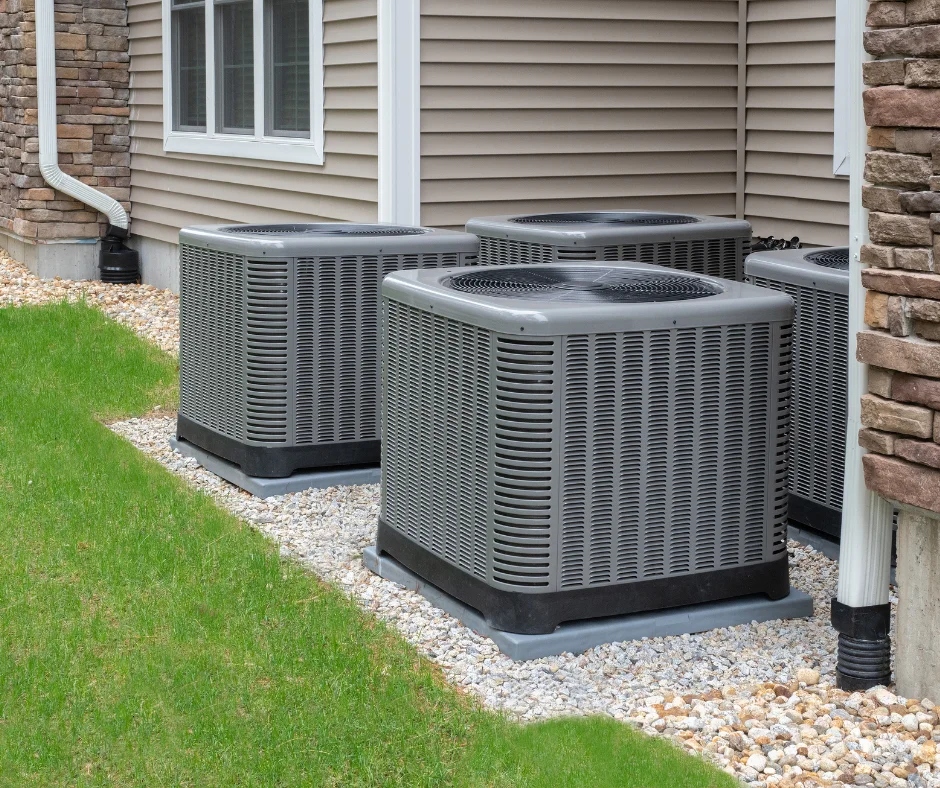
- Keep Outdoor Units Clear: Trim shrubs, remove debris, and ensure at least 2 feet of clearance around your heat pump.
- Watch Energy Bills: A sudden increase may signal a leak or failing component.
- Use a Smart Thermostat: Modern thermostats reduce unnecessary cycling and optimize heating and cooling schedules.
When to Repair vs. When to Replace
Condition | Repair Recommended | Replacement Recommended |
System Age | Under 10 years | Over 12–15 years |
Repair Cost | < 50% of new system | > 50% of new system |
Performance | Still efficient | Frequent breakdowns |
Energy Use | Bills steady | Bills increasing |
Refrigerant | R-410A system | Uses outdated R-22 |
When replacement is needed, Piedmont HVAC offers high-efficiency Trane, Lennox, Carrier, Goodman, and Mitsubishi Electric systems designed for North Carolina’s climate.
Professional vs. DIY Troubleshooting
A heat pump may look simple, but it relies on refrigerant lines, electrical components, and sensors working together. Knowing what you can handle yourself and what requires a professional helps protect your system, warranty, and safety.
What You Can Do Yourself
- Change or clean air filters every 1–3 months
- Keep the outdoor unit clear of debris
- Rinse condenser coils with a hose (no pressure washer)
- Check thermostat settings
- Pay attention to unusual noise or performance changes
These basic steps help maintain efficiency and reduce wear.
When to Call a Professional
- Refrigerant leaks or recharging
- Electrical issues like wiring or breakers
- Compressor or fan motor repairs
- Thermostat or sensor wiring problems
- Frozen coils or recurring system errors
These require proper tools, certification, and experience. DIY repairs can void warranties and create safety risks.
Why Professional Service Matters
Licensed technicians can:
- Diagnose issues accurately
- Handle refrigerant safely
- Catch early signs of wear
- Ensure proper system performance
- Meet North Carolina HVAC code requirements
Bottom Line
Basic upkeep is helpful, but technical repairs should always be handled by a professional. Proper service keeps your system running efficiently and helps avoid costly breakdowns.
Why North Carolina Homeowners Trust Piedmont HVAC
- Licensed & insured (H3 Class I & II certified)
- 24/7 emergency heat pump repair services
- Energy-efficient system upgrades and replacements
- Service across Shelby, Lincolnton, Gastonia, and nearby areas
- Transparent pricing and honest recommendations
Our team doesn’t just repair, we help homeowners make cost-effective, long-term decisions that improve comfort and reduce energy waste.
If your heat pump is showing signs of trouble, don’t wait for a complete breakdown. Call Piedmont HVAC, Plumbing & Chimney today for professional diagnostics, repair, or replacement services across Cleveland County and surrounding North Carolina areas.
Frequently Asked Questions
Frozen coils, weak airflow, refrigerant leaks, thermostat failures, and short cycling are the most frequent issues homeowners face.
It could be a reversing valve failure, refrigerant leak, or malfunctioning defrost cycle.
Poor airflow, dirty coils, or a broken defrost sensor are typical causes of frozen heat pumps.
Yes. Running on low refrigerant can overheat the compressor, leading to costly repairs.
Most systems last 15–20 years with regular professional maintenance.
No. Only EPA-certified HVAC technicians are legally allowed to handle refrigerants.