Most homeowners start their water-filtration search the same way. They notice chlorine taste, scale buildup, dry skin, or cloudy water. They look online and quickly realize there are hundreds of filtration systems, all claiming to be “the best.”
The real difference between filtration systems is not marketing claims. It is how the system treats water at scale, how it handles real-world flow rates, and how much maintenance it requires over time.
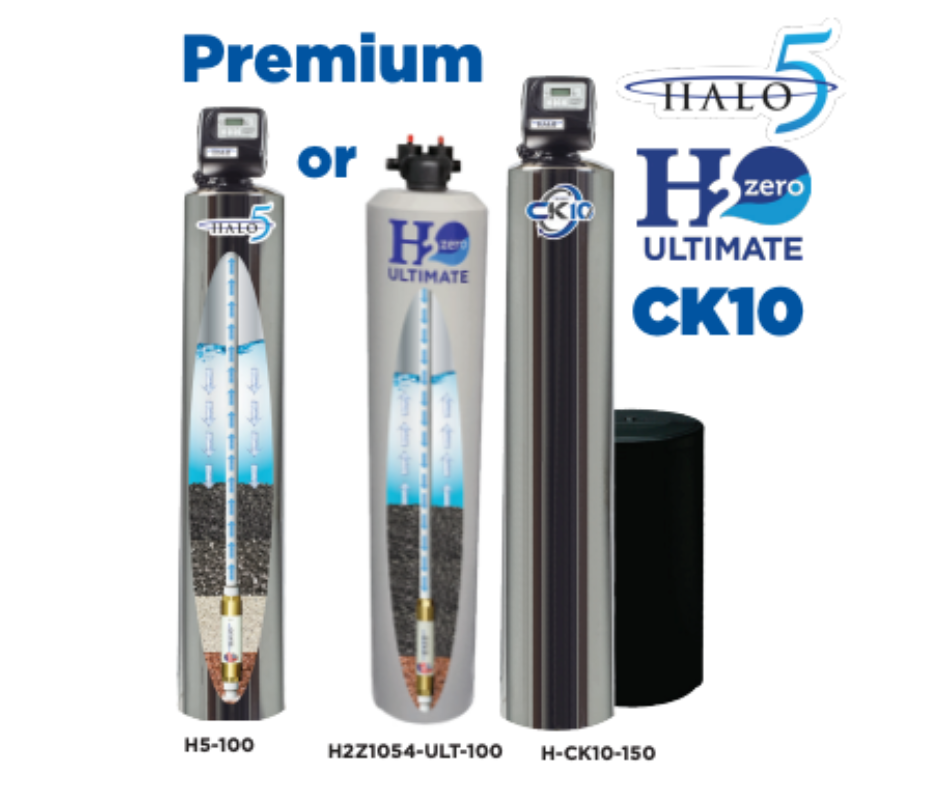
Halo water filtration systems stand out because they are not just filters and not just conditioners. They are whole-house water filtration and conditioning systems designed to improve water quality at every tap while minimizing ongoing maintenance.
Most Filtration Systems Solve Only One Problem
Many filtration systems on the market focus on a single issue:
- Carbon filters focus on taste and odor
- Sediment filters focus on particles
- Water softeners focus on hardness
- RO systems focus on drinking water purity
Each system works, but only within a narrow scope. Homeowners often end up stacking multiple devices, increasing cost, maintenance, and complexity.
Halo systems were designed to address multiple common water problems simultaneously at the point where water enters the home.

How Halo Compares to Other Whole-House Water Systems in North Carolina
Homeowners in North Carolina often compare Halo whole-house water filtration systems with traditional salt-based softeners and standard whole-house carbon filters. The differences are not about marketing claims. They come down to system design, maintenance model, and how water is treated at real household flow rates.
Whole-House Water System Comparison (NC Homes)
Feature | Halo Whole-House System | Salt-Based Water Softener | Traditional Whole-House Carbon Filter |
Primary Purpose | Filtration + salt-free conditioning | Hardness mineral removal | Chlorine and taste reduction |
Salt Required | No | Yes | No |
Regeneration Cycle | None | Required | None |
Brine Discharge | No | Yes | No |
Sodium Added to Water | No | Yes | No |
Chlorine Reduction | Yes | No | Yes |
Scale Control | Yes (mineral conditioning) | Yes (mineral removal) | Limited |
Maintenance Needs | Periodic inspection | Salt refills, resin care | Frequent cartridge changes |
Septic System Impact | Septic-friendly | Often discouraged | Septic-friendly |
Whole-House Coverage | Yes | Yes | Yes (capacity limited) |
Typical NC Use Case | City water, low-maintenance homes | Very hard water areas | Taste and odor complaints |
Installation Requirement | Professional | Professional | Moderate to professional |
Note: Specifications reflect general system design and publicly available manufacturer information. Actual performance depends on water quality, system sizing, and installation.
Whole-House Treatment vs Point-of-Use Filtering
Factor | NC City Water Homes | NC Well Water Homes |
Common Water Issues | Chlorine, chloramines, chemical taste, pipe scale, aging infrastructure sediment | Iron, manganese, sulfur odor, hardness minerals, sediment, occasional bacteria |
Point-of-Use Filtration | Improves drinking water taste at one faucet but leaves chlorine and chemicals in showers, plumbing, and appliances | Limited benefit; does not address iron, sulfur, sediment, or whole-home hardness |
Whole-House Filtration Coverage | Treats all incoming water before it reaches faucets, showers, and appliances | Treats all incoming water after proper pre-filtration stages |
Plumbing & Appliance Protection | Reduces chlorine exposure and scale inside pipes, water heaters, and appliances | Helps protect plumbing when paired with sediment and iron filtration |
Water Quality Consistency | Same filtered water quality throughout the entire home | Consistent quality after correct system sequencing |
Maintenance Considerations | Fewer filters to manage compared to multiple point-of-use units | Proper system sequencing reduces clogging and maintenance frequency |
Halo Whole-House System Fit | Strong fit for chlorine reduction, chemical taste, and scale conditioning | Works best when installed after sediment, iron, or sulfur treatment |
Best Long-Term Approach | Whole-house filtration with optional RO for drinking water | Multi-stage whole-house treatment with Halo as part of the system |
How This Applies to North Carolina Homes
In North Carolina city water systems, the primary concerns are chlorine, chemical disinfection byproducts, and scale from moderately hard water. A Halo whole-house filtration system addresses these issues at the main water line, improving water quality throughout the home.
In North Carolina well water homes, water quality varies widely by location. Whole-house filtration provides the most value when properly sequenced with sediment, iron, sulfur, or UV treatment. Point-of-use filters alone do not address the full range of well-water contaminants.
For both water sources, whole-house treatment provides broader protection, more consistent water quality, and fewer long-term maintenance issues than point-of-use filtration alone.
Integrated Filtration and Conditioning
Most filtration systems stop at filtration. Halo systems go further by combining filtration with salt-free water conditioning.
Carbon Filtration
Halo systems use high-quality carbon media to reduce:
- Chlorine
- Chloramines
- Chemical taste and odor
This addresses one of the most common complaints with municipal water.
Sediment Reduction
Halo systems capture fine particles that:
- Enter from aging pipes
- Cause fixture wear
- Reduce appliance lifespan
Salt-Free Conditioning
Instead of removing hardness minerals, Halo systems:
- Alter mineral structure
- Prevent scale bonding
- Reduce buildup inside pipes and appliances
This approach avoids salt, regeneration, and brine discharge.
No Salt, No Regeneration, No Brine
Traditional water softeners rely on ion exchange, which requires:
- Ongoing salt purchases
- Regeneration cycles
- Brine discharge
- Added sodium
Halo systems do not use salt or chemicals. There is no regeneration cycle and no wastewater discharge.
For homeowners on septic systems, those with environmental concerns, or those who simply want less maintenance, this difference is significant.
Lower Maintenance by Design
One of the biggest differences homeowners notice over time is how much ongoing maintenance each system requires. Maintenance affects cost, convenience, and long-term system reliability.
Maintenance Comparison by System Type
Maintenance Factor | Typical Filters (POU / Small Systems) | Salt-Based Water Softeners | Halo Whole-House Systems |
Routine Tasks | Frequent cartridge replacements | Salt refilling and regeneration monitoring | Periodic visual inspection |
Replacement Frequency | Every few months depending on usage | Salt refills every few weeks or months | No routine cartridge or salt replacement |
Pressure Monitoring | Required as filters clog and restrict flow | Possible pressure impact during regeneration | Stable flow when properly sized |
Consumable Supplies | Filter cartridges | Salt or potassium pellets | None |
Water Waste | None directly, but clogged filters reduce efficiency | Uses water during regeneration cycles | No regeneration or water waste |
Service Intervals | Frequent due to clogging | Periodic resin bed servicing | Infrequent professional checkups |
User Involvement | High | Moderate | Low |
Long-Term Ownership Experience | Ongoing upkeep and replacements | Ongoing supply purchases and monitoring | Set-and-run operation |
What This Means for Homeowners
Smaller filters and point-of-use systems require constant attention because they handle limited water volume and clog quickly. Salt-based softeners reduce hardness effectively but introduce regular tasks such as salt handling, regeneration cycles, and occasional resin service.
Halo whole-house filtration systems are designed for low-touch ownership. They do not rely on salt, do not regenerate, and do not require frequent cartridge changes. When properly installed and sized, the system operates continuously with minimal homeowner involvement.
For homeowners who want consistent whole-house water quality without ongoing maintenance routines, the Halo system offers a simpler long-term ownership experience.
Stable Water Pressure at High Flow Rates
Many filtration systems struggle when multiple fixtures run at once. Undersized filters restrict flow, leading to pressure drops.
Halo systems are engineered for whole-house flow rates, not just drinking water demand. When properly sized:
- Showers maintain pressure
- Appliances operate normally
- Filtration performance remains consistent
This is one reason professional sizing and installation matter.
Performance With City Water
City water commonly contains:
- Chlorine or chloramines
- Chemical disinfection byproducts
- Moderate hardness
- Pipe scale
Halo systems are particularly effective in municipal water homes because they target chlorine taste, odor, and scale in one system.
Many homeowners notice:
- Improved taste immediately
- Less spotting on fixtures
- Softer water feel without sodium
Compatibility With Well-Water Systems
Halo systems are not limited to city water. They can be integrated into well-water setups when sequenced correctly.
In well-water homes, Halo systems are typically installed after:
- Sediment filtration
- Iron or sulfur treatment
This allows the system to condition water and improve overall quality without clogging or performance loss.
Fewer Components, Cleaner Installations
A common difference seen by installers is system complexity.
Traditional setups may include:
- Sediment filter
- Carbon filter
- Softener
- Scale inhibitor
Halo systems often consolidate these functions into a single unit. Fewer components mean:
- Less plumbing complexity
- Fewer failure points
- Cleaner mechanical rooms
Long-Term Ownership Experience
Homeowners often judge filtration systems years after installation, not on day one.
Over time, Halo owners report:
- Less maintenance effort
- Fewer service calls
- Consistent water quality
- Stable pressure
This long-term experience separates systems that look good on paper from those that perform reliably.
Why Installation Quality Separates Results
Even the best system performs poorly if installed incorrectly.
Halo systems require:
- Correct flow direction
- Proper bypass configuration
- Secure pipe support
- Correct sequencing with other treatment equipment
Piedmont HVAC, Plumbing and Chimney installs Halo systems based on real plumbing layouts found in many Shelby and Cleveland County homes, ensuring correct sizing, stable pressure, and long-term performance.
Who Halo Systems Are Best For
Halo systems work best for homeowners who want:
- Whole-house water improvement
- Reduced chlorine exposure
- Scale reduction without salt
- Low maintenance ownership
- Stable water pressure
They are also well suited for small commercial properties that need consistent water quality without complex maintenance routines.
Conclusion
What separates Halo from other filtration systems is not a single feature. It is the combination of whole-house coverage, integrated filtration and conditioning, salt-free operation, low maintenance, and stable performance at real-world flow rates. When properly sized and installed by Piedmont HVAC, Plumbing and Chimney, Halo systems deliver consistent water quality that homeowners notice every day and appreciate long term.
Frequently Asked Questions
Halo systems treat all incoming water at the main line and combine whole-house filtration with salt-free water conditioning, rather than filtering only one faucet.
Halo and water softeners solve different problems. Halo reduces scale without salt, while softeners remove hardness minerals through ion exchange.
Yes. Halo systems use carbon filtration to significantly reduce chlorine, chloramines, and chemical taste found in municipal water supplies.
Yes. Halo conditioning media alters the structure of hardness minerals so they do not bond to pipes, fixtures, or appliances.
Yes. Halo systems do not require salt refills, regeneration cycles, or frequent cartridge changes, making maintenance minimal.
Yes. Halo is especially effective for city water by reducing chlorine exposure, chemical odors, and scale throughout the home.
Yes. Halo can be used on well water when installed after proper sediment, iron, or sulfur filtration to prevent clogging.
Yes. Halo treats all water entering the property, providing consistent water quality at every faucet, shower, and appliance.