Winter places heavy stress on chimneys. Between freezing temperatures, moisture, smoke byproducts, and repeated heating cycles, chimney systems experience months of expansion, contraction, and chemical exposure. Many chimney problems develop quietly during winter and only become visible once spring arrives.
For homeowners in North Carolina, especially in areas like Shelby and Cleveland County, post-winter chimney inspections are an important part of home maintenance. Cold weather, freeze-thaw cycles, and moisture intrusion can damage chimney masonry, flue liners, flashing, and caps.
At Piedmont HVAC, Plumbing, & Chimney, technicians frequently see chimney problems appear after the heating season ends. Identifying these issues early helps prevent fire hazards, structural damage, and expensive repairs later.
This guide explains the most common signs you need chimney repairs after winter, what causes chimney damage, and when homeowners should schedule a professional chimney inspection.
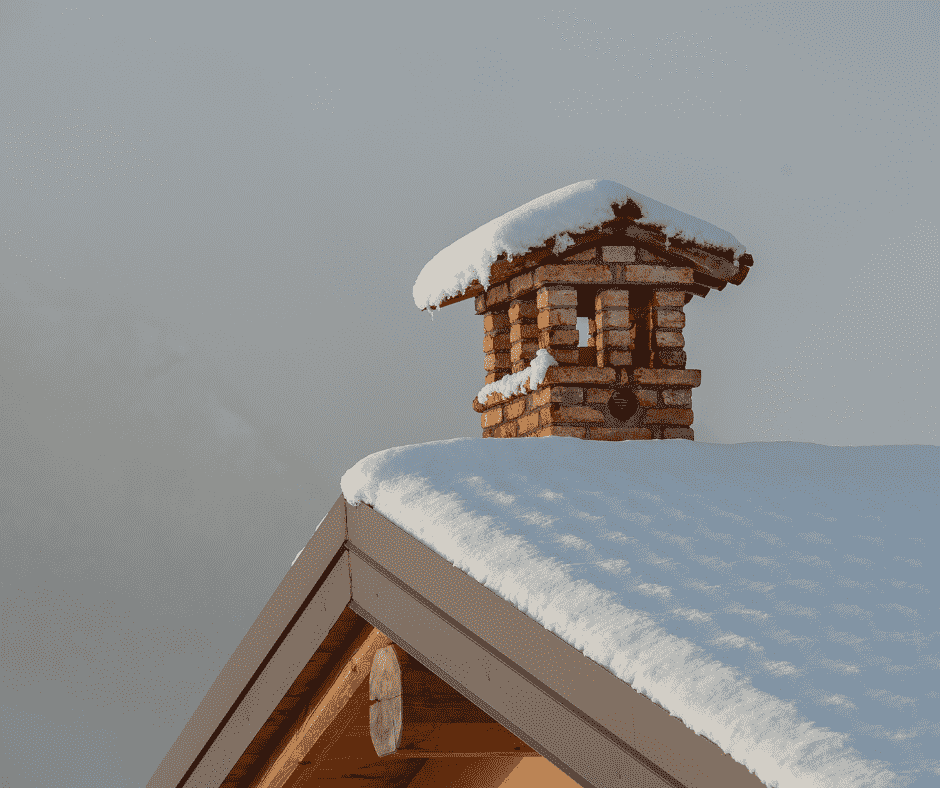
Why Chimneys Often Need Repairs After Winter
Chimneys operate in one of the harshest environments on a home. Throughout winter they are exposed to extreme temperature changes, moisture, combustion gases, and soot buildup.
When temperatures drop below freezing, any moisture inside brick or mortar joints expands as it freezes. This process is known as the freeze-thaw cycle, and it can gradually weaken chimney structures.
At the same time, smoke and creosote from fireplaces and wood stoves accumulate inside the flue. If the chimney liner or masonry is damaged, these substances can create fire hazards.
For these reasons, many chimney professionals recommend a post-winter chimney inspection to identify damage before the next heating season.
Top Signs You Need Chimney Repairs After Winter
1. Cracked or Deteriorating Chimney Masonry
One of the most common post-winter chimney problems is cracked brick or deteriorating mortar joints.
When water penetrates chimney masonry and freezes, it expands and pushes apart bricks and mortar. Over time this leads to visible cracking, loose bricks, or crumbling mortar.
Signs of masonry damage include:
- Cracked bricks
- Missing mortar joints
- Loose chimney blocks
- Pieces of masonry in the firebox or on the roof
If ignored, masonry damage can allow water to penetrate deeper into the chimney structure.
2. White Staining on Chimney Bricks (Efflorescence)
White powdery staining on chimney bricks is called efflorescence. This occurs when water moves through masonry and leaves behind salt deposits as it evaporates.
Efflorescence is a strong indicator that moisture is entering the chimney system.
While the staining itself is not dangerous, it often signals deeper problems such as cracked chimney crowns, damaged flashing, or porous bricks that allow water infiltration.
3. Water Leaks Around the Fireplace
Water inside the fireplace or around the chimney is a major warning sign that repairs are needed.
Moisture can enter through several areas including:
- Damaged chimney flashing
- Cracked chimney crowns
- Missing chimney caps
- Deteriorated masonry joints
Water intrusion can cause rusted components, mold growth, and structural deterioration if left unaddressed.
4. Rust on Chimney Components
Rust is another sign that moisture is affecting the chimney system.
Common areas where rust appears include:
- Chimney caps
- Fireplace dampers
- Chimney chase covers
- Metal flue liners
Rust indicates ongoing moisture exposure and may signal that water is entering the chimney.
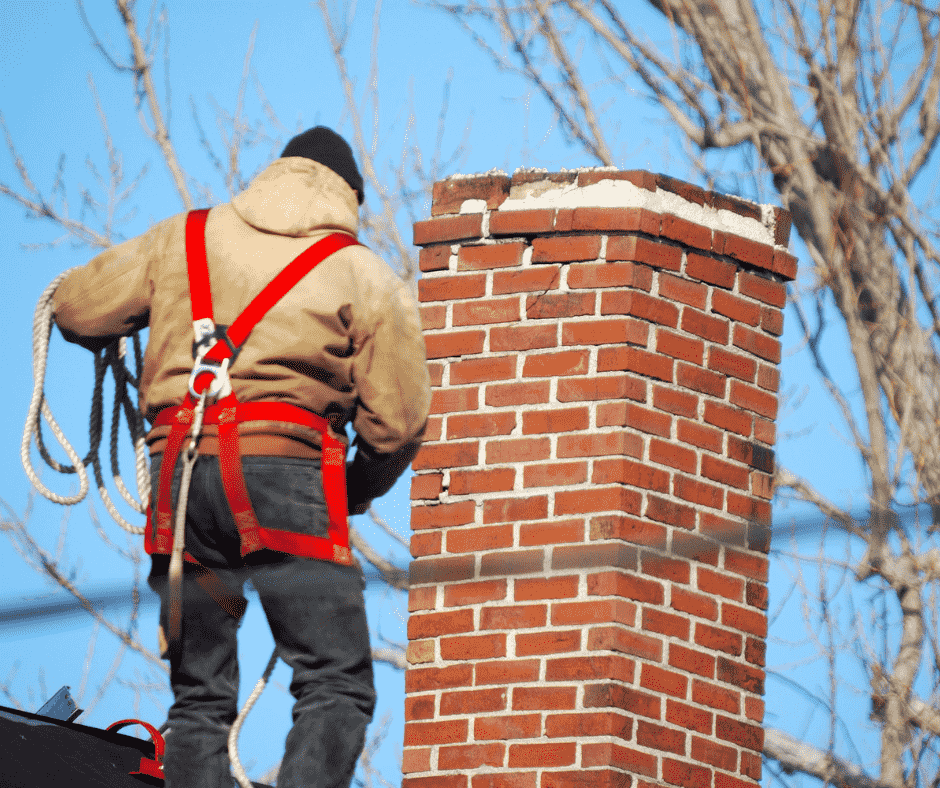
5. Damaged Chimney Crown
The chimney crown is the concrete or masonry surface that sits at the top of the chimney. Its purpose is to direct water away from the flue opening and protect the chimney structure.
Cracks in the crown allow water to enter the chimney system.
Over time this can cause:
- Masonry deterioration
- Flue liner damage
- Interior water leaks
Repairing a damaged chimney crown early helps prevent expensive structural repairs.
6. Loose or Damaged Chimney Flashing
Flashing seals the area where the chimney meets the roof.
If flashing becomes loose, cracked, or corroded, water can leak into the attic or ceiling.
Signs of flashing problems include:
- Water stains on ceilings near the chimney
- Visible gaps where flashing meets roofing materials
- Rusted or lifted flashing edges
Proper flashing repairs help prevent roof and chimney water damage.
7. Strong Smoke Odors Inside the Home
After winter, many homeowners begin to notice a strong smoky odor coming from the fireplace or chimney area. This smell often becomes more noticeable as temperatures warm up and humidity increases inside the chimney.
In many cases, the odor is caused by creosote buildup that formed during the heating season. Creosote is a flammable residue produced when wood burns, and when it mixes with moisture inside the chimney, it can create strong smoky smells that circulate through the home.
A professional chimney cleaning and inspection can remove creosote deposits and help identify any underlying chimney issues that may be contributing to the odor.
8. Poor Fireplace Draft
If smoke enters the room instead of traveling up the chimney, the chimney may have draft issues.
Draft problems can be caused by:
- Creosote buildup
- Blocked flue liners
- Animal nests inside the chimney
- Damaged chimney caps
Poor draft reduces fireplace efficiency and increases the risk of smoke exposure indoors.
9. Animal Nests or Debris in the Chimney
During colder months, chimneys often become attractive shelter for wildlife such as birds, squirrels, and raccoons. The warm air rising through the chimney can make the flue feel like a protected nesting spot, especially when the fireplace is not in use. Over time, these animals may build nests or leave behind debris inside the chimney liner.
When nests, leaves, or other debris accumulate inside the flue, they can partially or completely block airflow. This blockage can prevent smoke and combustion gases from venting properly, which may cause smoke to back up into the home and increase the risk of fire hazards. In many cases, homeowners first notice the problem when fireplaces produce poor draft or unusual odors.
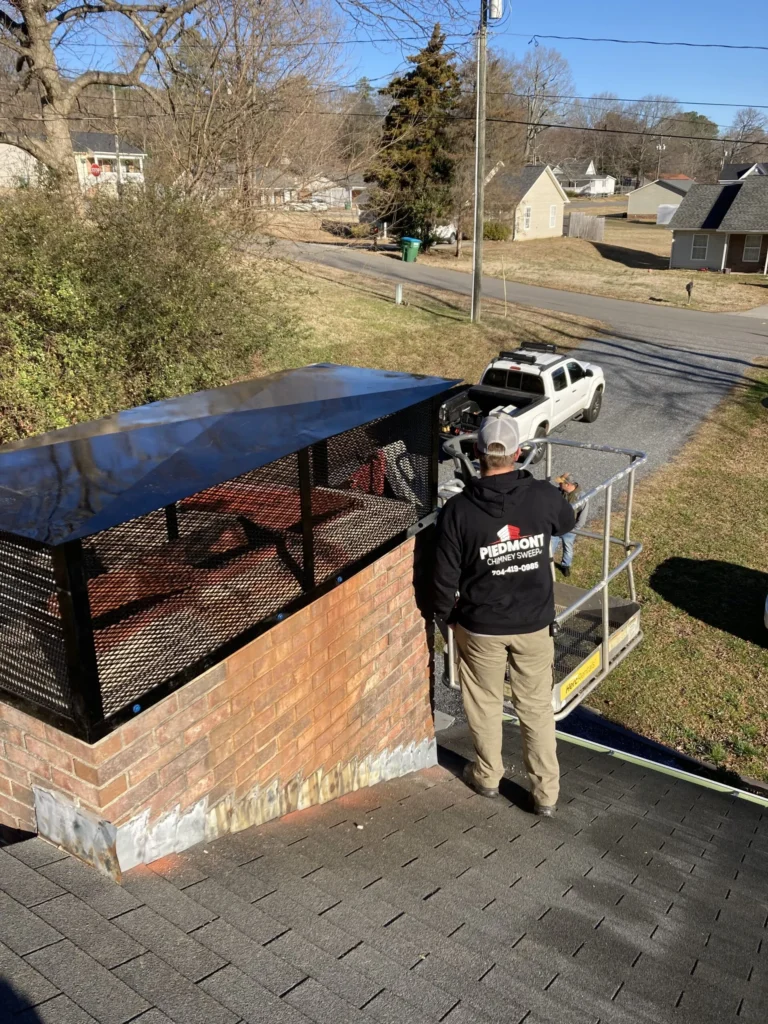
Installing a properly fitted chimney cap is one of the most effective ways to prevent animals and debris from entering the chimney system. Chimney caps act as a protective barrier while still allowing smoke and gases to exit safely, helping maintain proper ventilation and reducing the risk of blockages.
10. Spalling Bricks
Spalling occurs when bricks begin to flake, chip, or break apart.
This happens when moisture enters masonry and freezes repeatedly. Over time the outer surface of the brick deteriorates.
Spalling bricks weaken the chimney structure and may require masonry repair or partial chimney rebuilding.

Why Professional Chimney Inspections Are Important
According to fire safety experts, chimney inspections should be performed at least once per year.
Professional chimney inspections help detect:
- Creosote buildup
- Flue liner damage
- Structural chimney issues
- Ventilation problems
- Fire hazards
Technicians at Piedmont HVAC, Plumbing, & Chimney perform detailed chimney inspections to ensure fireplaces and venting systems remain safe and efficient.
Preventing Chimney Damage in the Future
Homeowners can reduce chimney repair needs by following a few maintenance practices.
Regular chimney maintenance should include:
- Annual chimney inspections
- Professional chimney sweeping
- Installing chimney caps
- Sealing masonry with waterproofing treatments
- Addressing minor cracks early
Preventive maintenance significantly extends chimney lifespan and improves fireplace safety.
When to Schedule Chimney Repairs
Chimney repairs should be scheduled immediately if homeowners notice:
- Water leaks near the fireplace
- Cracked chimney bricks
- Loose mortar joints
- Heavy creosote buildup
- Poor fireplace draft
- Rusted chimney components
Addressing these issues early helps prevent structural chimney damage and reduces fire risks.
Final Thoughts
Winter weather places significant stress on chimney systems. Moisture, freezing temperatures, and months of fireplace use can gradually damage masonry, liners, and venting components.
Identifying chimney problems early helps prevent serious safety risks and costly repairs.
For homeowners in Shelby and surrounding Cleveland County communities, Piedmont HVAC, Plumbing, & Chimney provides professional chimney inspections, chimney repairs, and chimney maintenance services designed to keep fireplaces operating safely.
FAQs
Common signs include cracked bricks, white staining on masonry, water leaks near the fireplace, rusted chimney components, and strong smoke odors inside the home.
Freeze-thaw cycles, moisture intrusion, creosote buildup, and temperature fluctuations can weaken masonry and chimney structures.
Most chimney safety organizations recommend annual chimney inspections.
Yes. Water is one of the most destructive forces affecting chimneys. Moisture intrusion can cause masonry deterioration, rust, and structural damage.
In North Carolina, most chimney repairs cost between $200 and $2,500 for common issues such as crown repair, flashing repair, or mortar repointing. Larger repairs like chimney liner replacement or structural masonry work typically range from $1,500 to $7,000 or more, depending on the damage and accessibility of the chimney.