When winter ends in North Carolina, plumbing systems face a new challenge: spring rainstorms. Heavy rainfall combined with partially clogged drains can quickly overwhelm household plumbing. Slow sinks, blocked shower drains, and neglected outdoor drainage systems can lead to flooding, sewer backups, and costly plumbing repairs.
Many homeowners assume their plumbing system is fine because it worked during winter. In reality, winter often leaves behind grease buildup, soap residue, hair, sediment, and debris inside pipes. Once spring rain increases water flow through the plumbing system, these hidden blockages can suddenly become serious problems.
Preparing your plumbing system before the rainy season is one of the easiest ways to prevent water damage and plumbing emergencies. This guide from Piedmont HVAC, Plumbing & Chimney explains the most effective drain cleaning tips homeowners should follow before spring storms arrive.
Why Drain Cleaning Before Spring Matters
Spring weather in North Carolina often brings intense rainstorms, saturated soil, and increased groundwater pressure around homes. When drainage systems are partially blocked, rainwater cannot flow properly through pipes and sewer lines.
Instead of draining away from the property, water may begin to:
- Back up into sinks and showers
- Flood basement floor drains
- Cause sewer odors inside the home
- Overflow from outdoor drains and gutters
Winter conditions also contribute to hidden plumbing issues. Cold temperatures can harden grease and soap inside pipes, while tree roots may shift underground sewer lines as soil freezes and thaws.
By cleaning drains before the rainy season begins, homeowners can restore proper water flow and reduce the risk of plumbing emergencies.
1. Inspect All Indoor Drains
Start by walking through the house and checking every plumbing fixture. Look for early warning signs that indicate a developing clog.
Common warning signs include:
- Slow draining sinks or bathtubs
- Gurgling noises inside pipes
- Water backing up when another fixture drains
- Sewer odors near drains
Kitchen sinks, bathroom sinks, showers, bathtubs, and laundry drains are the most common locations where buildup accumulates.
If water drains slowly, the pipe may already contain grease, soap residue, hair, or sediment buildup. Addressing the problem early prevents a complete blockage during spring storms.
2. Flush Pipes With Hot Water
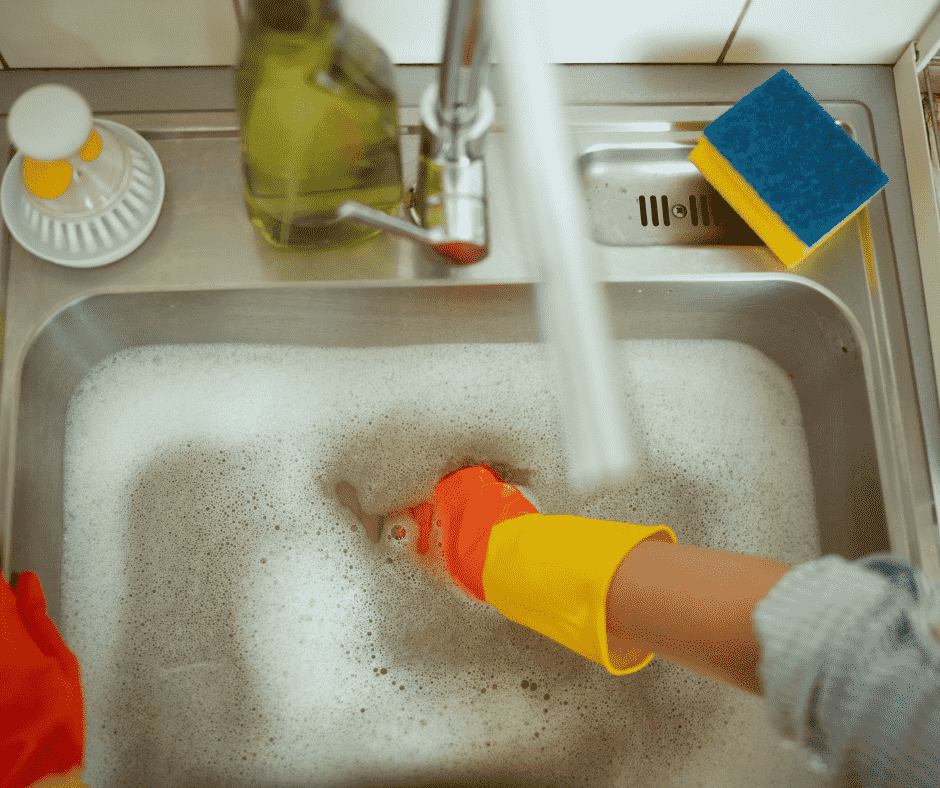
A simple but effective maintenance step is flushing drains with hot water. Heat helps dissolve grease, soap, and other organic buildup inside pipes.
To flush a drain properly:
- Run hot tap water for several minutes.
- Pour a kettle of hot water down the drain.
- Allow the water to flow for another minute.
For kitchen sinks, this process helps melt grease deposits that may have solidified during winter.
Hot water flushing is one of the easiest preventative maintenance steps homeowners can perform before spring rainfall increases water flow in the plumbing system.
3. Clean Kitchen Sink Drains
Kitchen drains accumulate more debris than almost any other plumbing fixture. Food particles, cooking oils, grease, and soap residue often attach to pipe walls.
Over time, this buildup narrows the inside diameter of the pipe and slows water flow.
To clean a kitchen drain:
First remove the sink strainer and rinse away trapped food debris. Then flush the drain using hot water.
A natural cleaning mixture of baking soda and vinegar can also help loosen grease buildup. Pour baking soda into the drain followed by vinegar and allow the solution to sit for several minutes before flushing with hot water.
Avoid pouring cooking grease down the drain in the future. Grease cools quickly inside pipes and forms sticky residue that traps other debris.
4. Remove Hair From Shower and Bathroom Drains
Bathroom drains commonly clog due to hair accumulation and soap residue. Hair wraps around small pipe imperfections and gradually forms large blockages.
Remove the shower or tub drain cover and use a small tool or drain snake to pull out visible hair. Even a small amount of hair removal can significantly improve drainage speed.
After removing debris, flush the pipe with hot water to clear remaining buildup.
Installing drain strainers in bathroom sinks and showers helps prevent hair from entering the pipe and forming future clogs.
5. Check Basement and Floor Drains
Many homeowners forget about basement floor drains, garage drains, and laundry room drains until a problem occurs.
These drains are critical during heavy rain because they serve as overflow points for excess water.
Inspect floor drains for:
- Dirt or debris buildup
- Standing water
- Unpleasant sewer odors
If a drain smells like sewer gas, the drain trap may have dried out. Pouring water into the drain will refill the trap and prevent sewer gases from entering the home.
Keeping basement drains clear is essential for preventing flooding during spring storms.
6. Clean Gutters and Downspouts
Plumbing systems work together with roof drainage systems. When gutters clog with leaves, water cannot properly flow away from the house.
Clogged gutters often cause water to spill over the edge of the roof and collect around the foundation.
This excess water increases pressure on underground sewer and drain lines.
Before spring rains arrive:
- Remove leaves and debris from gutters.
- Flush downspouts with a hose to confirm water flows freely.
- Check that downspouts discharge water several feet away from the home.
Proper roof drainage reduces stress on your plumbing and foundation.
7. Inspect Outdoor Yard Drains
Outdoor drainage systems are just as important as indoor plumbing.
Check the following areas around your property:
- Yard drains
- Channel drains in driveways
- Patio drainage systems
- French drains
- Stormwater catch basins
Leaves, mulch, sticks, and dirt often collect inside outdoor drains during winter. Clearing these blockages allows rainwater to move away from the home quickly.
If water pools in the yard after rainstorms, the drainage system may require professional cleaning or modification.
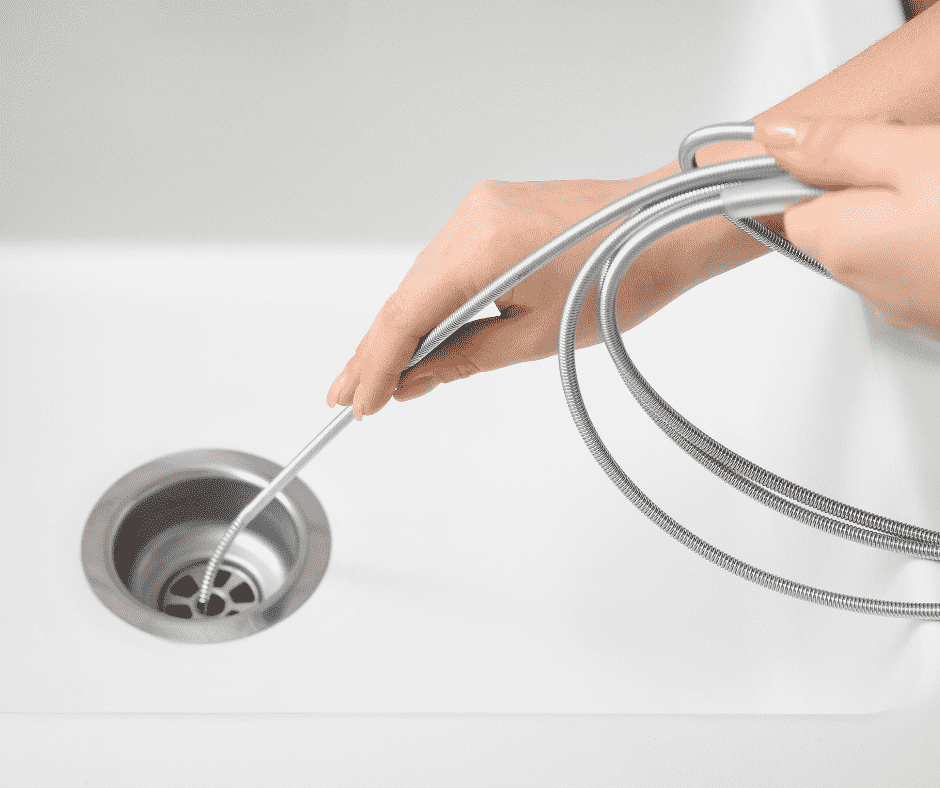
8. Use a Drain Snake for Minor Clogs
If a drain remains slow after flushing with hot water, a drain snake or hand auger may be needed.
A drain snake is a flexible cable designed to reach deeper inside pipes and break apart clogs.
Drain snakes are effective for removing:
- Hair clogs
- Soap buildup
- Small debris blockages
However, they do not clean the entire pipe wall. If buildup remains inside the pipe, clogs may return in the future.
9. Consider Professional Drain Cleaning
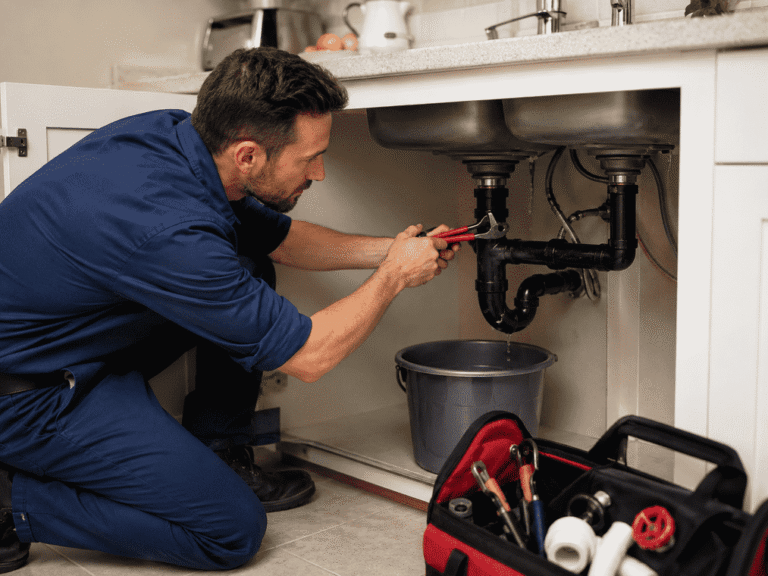
For stubborn clogs or recurring drain problems, professional drain cleaning is the best solution.
Professional plumbers use advanced equipment such as:
- Motorized drain augers
- Sewer camera inspection systems
- Hydro jetting equipment
Hydro jetting uses high pressure water streams to completely remove grease, sludge, and debris from pipe walls. Unlike snaking, which punches a hole through the clog, hydro jetting cleans the entire pipe interior and restores full pipe diameter.
This makes hydro jetting one of the most effective methods for preventing recurring clogs before the rainy season.
When to Call a Professional Plumber
Some drain problems cannot be solved with DIY cleaning methods.
Homeowners should contact a professional plumber if they notice:
- Multiple drains clogging at once
- Sewage odors inside the home
- Gurgling toilets or drains
- Water backing up in floor drains
- Frequent drain clogs
These symptoms often indicate a blockage deeper inside the main sewer line.
Professional plumbers can perform a sewer camera inspection to locate the exact cause of the problem before recommending repairs.
The experienced team at Piedmont HVAC, Plumbing & Chimney provides professional drain cleaning, hydro jetting, and sewer inspection services throughout Shelby and Cleveland County.
Preventative Drain Maintenance Tips
Preventing clogs is easier and less expensive than repairing plumbing damage.
Homeowners should follow these best practices:
- Avoid pouring grease or cooking oil down drains.
- Use drain strainers to catch hair and debris.
- Run hot water after using sinks.
- Clean gutters and outdoor drains regularly.
- Schedule professional drain cleaning annually.
Routine plumbing maintenance helps ensure the entire drainage system operates efficiently year round.
Final Thoughts
Spring rains can expose hidden plumbing problems that developed during winter. Slow drains, grease buildup, and clogged outdoor drainage systems can quickly lead to flooding and sewer backups when heavy rain arrives.
Taking time to inspect and clean drains before the rainy season is one of the best ways to protect your home.
If you notice slow drains or recurring clogs, professional cleaning may be necessary.
The experienced technicians at Piedmont HVAC, Plumbing & Chimney provide expert drain cleaning, sewer inspections, and hydro jetting services to keep plumbing systems flowing safely and efficiently before storm season begins.
FAQs
Drains often clog due to winter buildup of grease, soap residue, hair, and debris inside pipes. When spring rain increases water flow, these blockages can cause slow drainage or backups.
Slow drainage, gurgling sounds, foul odors, and water pooling around drains are common signs of a developing clog.
Most homes benefit from professional drain cleaning once per year. Homes with older pipes or tree root problems may require more frequent maintenance.
Chemical cleaners can damage pipes over time and may not fully remove clogs. Mechanical cleaning methods such as snaking or hydro jetting are safer and more effective.
Multiple clogged drains, sewage odors, slow toilets, and water backing up in basement drains often indicate a sewer line blockage.
Yes. Clogged gutters can cause water to pool around the foundation, increasing pressure on underground drainage systems and sewer lines.