Your guests haven't even arrived, and your kitchen sink is already giving you trouble.
Water takes forever to disappear. The garbage disposal sounds different. And you're wondering whether the sink will survive Thanksgiving dinner, let alone the cleanup afterward.
Here's something worth knowing: Holiday cooking doesn't always cause a kitchen drain clog. Sometimes it exposes one that's been developing for months.
Grease, food scraps, and other residue can gradually restrict the inside of your drainpipe. Add a busy kitchen, extra dishes, and frequent dishwasher cycles, and that slow drain may finally stop working.
The good news? A slow kitchen sink often gives you warning signs before a complete backup.
Here's how to recognize them, prevent holiday plumbing problems, and know when professional drain cleaning makes sense.
Why Is My Kitchen Sink Draining Slowly?
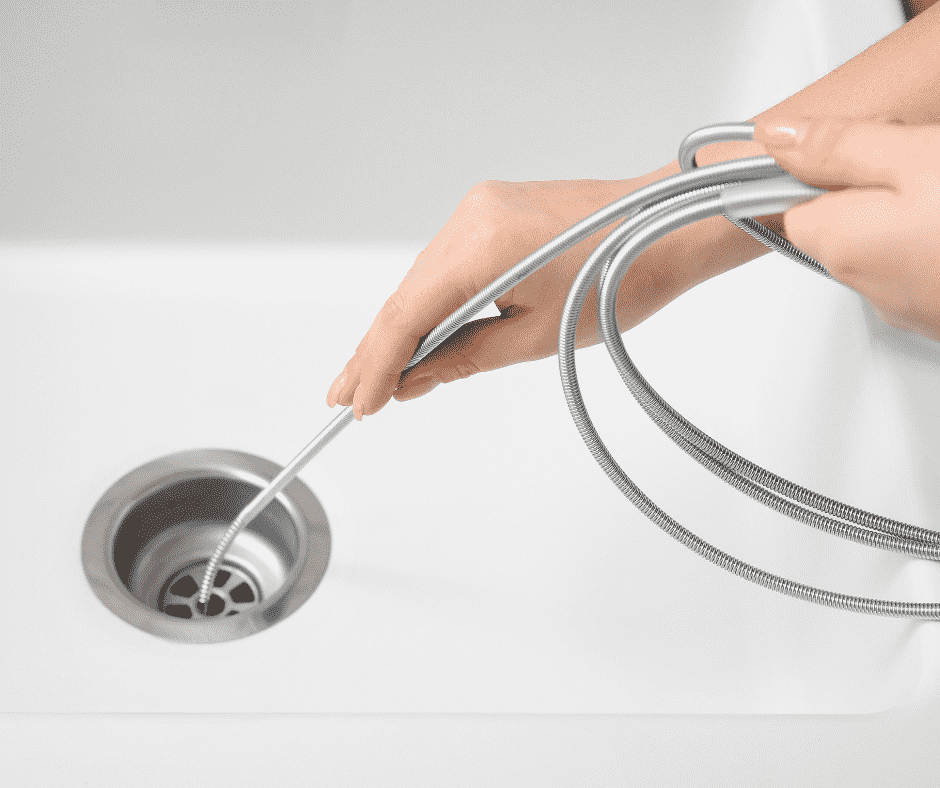
A kitchen sink usually drains slowly because grease, food scraps, and soap residue build up inside the drainpipe and restrict water flow. A clogged P-trap, garbage disposal obstruction, or blockage farther down the drain line can also be responsible.
If the clog keeps returning or water backs up when the dishwasher runs, the blockage may be deeper in the plumbing. Identifying its location helps determine whether basic cleaning or professional drain cleaning is needed.
What Your Slow Kitchen Drain Is Telling You
Before trying to unclog your kitchen sink, pay attention to the symptoms.
| What You Notice | Possible Cause | What to Do |
|---|---|---|
| Water drains slowly but eventually clears | Partial grease or debris blockage | Check the strainer and monitor drainage |
| One side of a double sink drains poorly | Localized obstruction or disposal issue | Check the affected basin |
| Both sink basins drain slowly | Restriction in the shared drain | Consider professional diagnosis |
| Water rises in the sink when the dishwasher drains | Shared drain restriction or connection issue | Stop dishwasher use until resolved |
| The clog returns after plunging | Remaining buildup farther down the pipe | Schedule drain cleaning |
| Several drains in the house back up | Possible main drain or sewer line problem | Contact a plumber promptly |
The most important distinction is whether the problem affects only your kitchen sink or several fixtures throughout your home.
One slow sink often points to a localized problem. Multiple slow drains, sewage backups, or wastewater rising in other fixtures may indicate a more serious drainage issue.
4 Common Causes of a Slow Kitchen Drain
A slow kitchen sink is often caused by grease, food debris, a clogged P-trap, or a blockage deeper in the drain line. Here's how to recognize each problem and what to do next.
-
01
Grease and Cooking Oil Buildup
Grease is a common cause of slow kitchen drains. As cooking fat cools, it can stick to pipe walls, trap food debris, and gradually restrict water flow.
Bacon grease, gravy, cooking oil, and greasy roasting pans can contribute to buildup, especially during holiday cooking.
What to doCollect cooled grease in a container and wipe greasy pans before washing. Hot water and dish soap may simply move grease farther down the pipe.
-
02
Food Scraps and Starchy Leftovers
Rice, pasta, coffee grounds, and fibrous food scraps can collect inside kitchen drainpipes. When combined with grease, they may create stubborn clogs.
Even a working garbage disposal cannot prevent every blockage farther down the drain.
What to doScrape leftovers into the trash or compost before rinsing dishes. Use a sink strainer to catch food particles and follow your disposal's instructions.
-
03
A Clogged P-Trap
The P-trap is the curved pipe beneath your kitchen sink. Its water seal helps block sewer gases, but the bend can also collect grease and food debris.
A clogged P-trap may cause slow drainage, standing water, or a complete sink blockage.
What to doIf clearing the sink strainer doesn't help, have the P-trap inspected. Improper removal or reassembly can cause plumbing leaks.
-
04
A Blockage Deeper in the Drain Line
If your kitchen sink keeps clogging after plunging, the restriction may be farther down the branch drain. Grease and debris can remain even after water starts flowing again.
Recurring clogs often mean the underlying buildup hasn't been fully removed.
What to doConsider professional kitchen drain cleaning to locate and address the restriction rather than repeatedly clearing the same clog.
Can Your Garbage Disposal Cause a Slow Kitchen Drain?
Yes, a garbage disposal can cause a slow kitchen drain even when the motor still runs. It grinds food scraps, but it doesn't dissolve grease or prevent debris from clogging the drainpipe.
What Should You Avoid Putting in a Garbage Disposal?
During holiday cooking and cleanup, keep these materials out of your garbage disposal:
- Grease and cooking oil: Can coat drainpipes and trap other debris.
- Coffee grounds: May settle and accumulate inside the drain.
- Large amounts of rice or pasta: Starchy leftovers can clump together and contribute to clogs.
- Fibrous food scraps: Celery strings and corn husks can interfere with some disposals.
- Bones and hard shells: May exceed your disposal's grinding capability.
- Large quantities of leftovers: Can overload the disposal or clog the drain farther down.
Always follow your garbage disposal manufacturer's instructions for acceptable food waste and water use.
If Your Garbage Disposal Hums but Won't Grind
Switch it off immediately. Don't repeatedly run a jammed disposal, and never put your hand inside the grinding chamber. If the problem persists, contact a plumber.
A working garbage disposal doesn't guarantee a clear drain. Keeping grease and excess food scraps out of the sink helps prevent recurring kitchen drain clogs.
How to Fix a Slow Kitchen Drain Safely
To fix a slow kitchen drain, start by removing visible debris, checking both sink basins, and trying a sink plunger if no chemical drain cleaner has been used. Stop if the sink backs up, leaks, or continues draining slowly.
-
01
Remove Visible Debris
Clean the sink strainer and remove food scraps near the drain opening. Sometimes the blockage is close to the surface.
If you have a garbage disposal, never reach inside the grinding chamber. Follow the manufacturer's safety instructions.
-
02
Check Both Sink Basins
If both sides of a double sink drain slowly, the clog may be in their shared drainpipe. If water backs up when the dishwasher runs, stop using it until the problem is resolved.
-
03
Try a Sink Plunger
A cup plunger may clear a minor kitchen sink clog. Cover the plunger's rim with water, create a firm seal, and use controlled plunging motions.
For a double sink, seal the other drain opening. Avoid plunging if the pipes or connections are loose.
-
04
Stop If the Clog Persists
If your kitchen sink stays slow, keeps clogging, or begins leaking, stop troubleshooting. A plumber can check the P-trap and drain line to locate the restriction.
Important safety warning: Never plunge a drain containing chemical drain cleaner. Splashing chemicals can cause serious injuries.
Do Baking Soda, Vinegar, or Boiling Water Work?
Baking soda and vinegar may fizz, but they won't reliably remove a stubborn grease clog. Boiling water can cause burns and may be unsuitable for some plumbing components. Never mix drain-cleaning chemicals.
Bottom line: If your kitchen drain keeps clogging, finding and removing the blockage is more effective than repeatedly pouring home remedies down the sink.
When Is a Slow Kitchen Drain an Emergency?
A slow kitchen drain becomes urgent when wastewater backs up, the sink overflows, or water leaks into your home. If the sink still drains without leaks or backups, you can usually try basic troubleshooting or schedule a plumbing visit.
Stop Using Affected Fixtures and Call a Plumber If:
- Wastewater backs up into multiple drains.
- The kitchen sink overflows or stops draining.
- Water leaks into cabinets or flooring.
- Sewage backs up into your home.
- Dishwasher wastewater repeatedly rises into the sink.
- Several plumbing fixtures suddenly drain slowly.
What Should You Do While Waiting for a Plumber?
Don't run the dishwasher or continue washing dishes if wastewater is backing up. If sewage is present, avoid contact with contaminated water and arrange professional assistance.
When Does Professional Kitchen Drain Cleaning Make Sense?
Professional kitchen drain cleaning makes sense when clogs keep returning, DIY fixes provide only temporary relief, or the blockage is deeper in the drain line. A plumber can recommend the right method for your plumbing system.
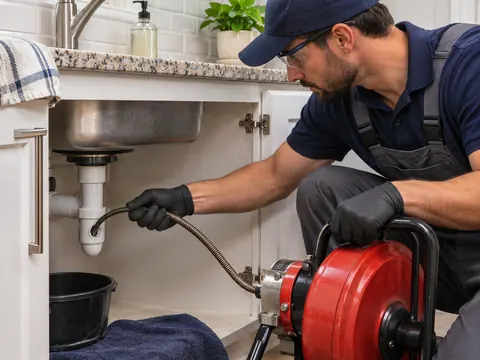
Drain Snaking
A professional drain snake, or auger, reaches deeper into the pipe to break through or remove certain obstructions.
Best for: Localized kitchen drain clogs.
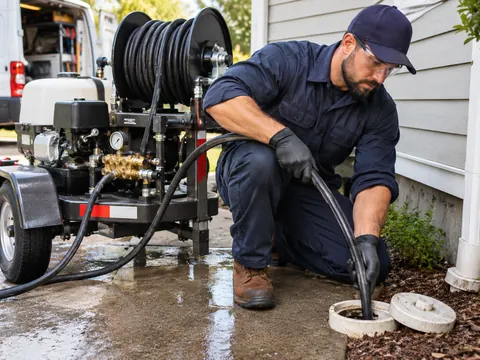
Hydro Jetting
Hydro jetting uses pressurized water to clear grease, sludge, and stubborn buildup from suitable drainpipes. The plumber should assess the pipe first.
Best for: Recurring buildup in pipes suitable for high-pressure cleaning.
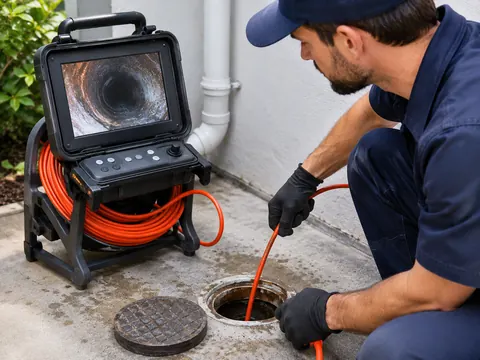
Drain Camera Inspection
A drain camera can help locate hidden blockages, damaged pipes, or the cause of repeated clogs. Not every slow drain needs an inspection.
Best for: Recurring clogs with an unclear cause.
The right cleaning method depends on the problem. Professional drain cleaning aims to identify the obstruction and restore proper drainage without unnecessary procedures.
Your Pre-Holiday Kitchen Plumbing Checklist
Before Thanksgiving or Christmas guests arrive, use this quick checklist to help prevent kitchen drain problems.
One Simple Holiday Hosting Tip
Set up a food-scrap station beside the sink so guests can dispose of leftovers without putting them down the drain.
Already noticing a slow drain? Check it several days before your gathering, not during holiday meal preparation.
GET HOLIDAY-READY
Get Your Kitchen Drain Ready Before Holiday Guests Arrive
A slow kitchen drain may seem minor now, but it can quickly become a problem when you're cooking, cleaning, and hosting holiday guests.
Keep grease and food scraps out of the sink, watch for early warning signs, and don't ignore a clog that keeps coming back.
If your kitchen sink is draining slowly or backing up, Piedmont HVAC, Plumbing and Chimney can help. We provide professional drain cleaning services for homeowners in Shelby, NC, and surrounding communities, including Kings Mountain, Boiling Springs, Forest City, and Gastonia.
Don't Wait Until the Holiday Rush
Have your kitchen drain checked before guests arrive. Contact our team to discuss your plumbing concerns and schedule an evaluation.
Planning ahead? Explore our plumbing inspection services and plumbing maintenance plan for additional ways to care for your home's plumbing.
Frequently Asked Questions
Water backing up into the opposite basin of a double kitchen sink usually indicates a restriction in the shared drainpipe. Both basins typically connect to the same P-trap and branch drain, so a blockage downstream of that connection can force wastewater into the other sink.
Grease buildup, food debris, and accumulated residue are common causes. If water rises in one basin when you use the other, stop running water until the shared drainage problem is addressed.
A gurgling kitchen sink can indicate a partial drain blockage or a plumbing venting problem. Gurgling occurs when air moves unevenly through the drainage system, often because wastewater flow or air pressure is being disrupted.
If the sink also drains slowly, check for visible obstructions. Persistent gurgling, particularly when other plumbing fixtures are running, may require a plumber to inspect the drain line and venting system.
Cold water is generally recommended when operating a garbage disposal. Manufacturers such as InSinkErator recommend running a steady stream of cool or cold water while grinding food waste and allowing it to continue briefly afterward to help flush particles through the drain.
Hot water is acceptable for ordinary sink use, but it shouldn’t be relied upon to remove grease buildup. Never pour cooking oil, grease, or melted fat into the disposal, regardless of water temperature.
A kitchen sink can develop unpleasant odors when food particles and residue accumulate inside the garbage disposal, splash guard, or drain components. A bad smell does not necessarily mean the drainpipe is clogged.
Cleaning accessible surfaces and the disposal according to the manufacturer’s instructions may help. However, persistent sewer-like odors, especially with gurgling or slow drainage, may indicate a problem with the P-trap, plumbing vent, or drain system.
Hot water and dish soap are not a reliable solution for removing established grease blockages. They may temporarily loosen or carry some grease farther through the plumbing, but that material can accumulate again as temperatures change.
For prevention, allow cooking grease to cool and dispose of it in an appropriate container. If hardened grease is already restricting the kitchen drain, mechanical cleaning or another professional method may be necessary.
Chemical drain cleaners are generally best avoided when troubleshooting a clogged kitchen sink or garbage disposal. Some products contain corrosive ingredients that create handling hazards and may not effectively remove the underlying grease or debris buildup.
Never mix different drain-cleaning chemicals or plunge a drain containing chemical cleaner. If a product has already been poured into the sink, tell the plumber what was used before any drain cleaning begins.
A professional kitchen drain cleaning appointment typically begins with evaluating the drainage symptoms and checking accessible plumbing connections to determine where the restriction may be located.
Depending on the blockage and pipe condition, the plumber may recommend drain snaking, hydro jetting, or a camera inspection when additional diagnosis is necessary. Not every slow kitchen sink requires all three procedures.
Piedmont HVAC, Plumbing and Chimney provides professional drain cleaning services in Shelby, NC, and surrounding communities. Homeowners can contact the team or call 704-419-0985 to discuss their drainage concerns.