A little rust on top of your chimney might not seem like a big deal.
Neither does a loose metal cover or an occasional bird sitting near the flue. But small warning signs can point to bigger problems.
Your chimney cap helps keep rain, animals, and debris out of the flue. When it's missing, damaged, or improperly fitted, moisture and unwanted materials can enter the chimney long before problems become noticeable inside your home.
The good news? Not every damaged chimney cap needs replacing. Some problems can be repaired, while others call for a properly fitted new cap.
Understanding what a chimney cap does, the signs of chimney cap damage, and when repair or replacement makes sense can help you protect your chimney without paying for unnecessary work.
What Does a Chimney Cap Do?
A chimney cap is a protective cover installed above a chimney flue. It helps keep rain, snow, animals, leaves, and debris out while allowing smoke and combustion gases to escape. Many chimney caps also have mesh screening that acts as a spark arrestor for wood-burning fireplaces.
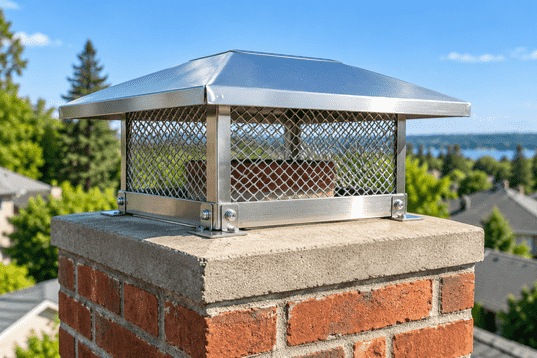
A properly fitted chimney cap provides five important types of protection:
- Moisture protection. Reduces rain and snow entering the chimney flue, helping limit moisture-related damage.
- Animal prevention. Helps keep birds, squirrels, and other small animals from entering the chimney.
- Debris protection. Prevents leaves, twigs, and nesting materials from entering the flue.
- Spark control. Mesh spark arrestors help reduce escaping embers from wood-burning fireplaces.
- Wind protection. Certain chimney cap designs can help reduce wind-related downdrafts.
Important: A chimney cap doesn't waterproof the entire chimney or guarantee proper draft. The chimney crown, flashing, masonry, and flue must also be in good condition.
Why Is a Chimney Cap Important?
A chimney cap helps protect your chimney from water damage, animal intrusion, and debris buildup. Because your chimney is exposed to the weather year-round, these problems can develop even when your fireplace isn't being used.
-
Prevents Moisture-Related Damage
Rain entering an uncovered flue can contribute to rusted dampers, deteriorating masonry, and unpleasant chimney odors.
-
Reduces Animal and Debris Entry
Birds, squirrels, leaves, and nesting materials can enter an unprotected chimney and accumulate around the flue, smoke shelf, or damper.
-
Helps Maintain Safe Chimney Ventilation
Nests and debris can obstruct airflow and interfere with proper venting of smoke and combustion gases. A properly fitted chimney cap helps reduce these risks.
Proper installation matters. A chimney cap must be correctly sized and compatible with the chimney system to provide protection without interfering with draft.
7 Signs Your Chimney Cap Needs Repair or Replacement
Common signs of chimney cap damage include rust, loose mounting, broken mesh, water intrusion, animal activity, smoke problems, and storm damage. Some are visible from the ground, while others require a professional chimney inspection.
-
Visible Rust or Corrosion
Rust stains, corroded metal, or deteriorating screening may indicate that your chimney cap is wearing out. Minor surface rust may be repairable, but extensive corrosion can weaken the cover and mounting hardware.
What to check: Rust holes, weakened metal, or damaged fasteners may make chimney cap replacement necessary.
-
Loose, Crooked, or Missing Chimney Cap
Strong winds, damaged fasteners, or improper installation can leave a chimney cap tilted, loose, or detached. This exposes the chimney flue to rain, animals, and debris.
What to do: Arrange an inspection if the cap has shifted or disappeared after a storm. Avoid using the fireplace until the chimney is checked.
-
Damaged or Clogged Mesh Screening
Chimney cap mesh helps keep animals and debris out while allowing exhaust gases to escape. Bent, torn, rusted, or clogged screening can reduce protection and restrict airflow.
Repair or replace? Some screens can be repaired separately. Widespread deterioration may require a new chimney cap.
-
Water Inside the Fireplace After Rain
A wet firebox, chimney odors, or moisture stains may indicate water entering the chimney. A damaged chimney rain cap is one possibility, but cracked crowns, faulty flashing, and deteriorating masonry can also cause leaks.
Important: Identify the source of the chimney leak before replacing the cap.
-
Birds or Animals Inside the Chimney
Scratching, fluttering, or chirping may indicate animal activity inside the flue. Missing or damaged screening can allow animals to enter, while nesting materials can obstruct ventilation.
Safety reminder: Never light a fire to remove an animal or nest. Have the chimney inspected and the obstruction addressed safely.
-
Smoke Backing Up Into Your Home
Smoke entering the room may indicate restricted chimney draft. A blocked chimney cap, creosote buildup, flue obstruction, or indoor air-pressure problems could be responsible.
Stop using the fireplace if smoke enters your home. Have the venting system professionally evaluated before using it again.
-
Bent or Damaged Chimney Cap After a Storm
Falling branches, severe weather, and other impacts can bend the cap, damage its mounting points, or leave part of the flue exposed. Significant structural damage may require replacement.
Important: If a chimney fire is suspected, the entire chimney system needs professional inspection before further use.
Not every warning sign means you need a new chimney cap. A professional chimney inspection can help determine whether cap repair, replacement, chimney cleaning, or another repair is necessary.
Chimney Cap Repair vs. Replacement: Which Do You Need?
Chimney cap repair may be possible when the cap is structurally sound. Replacement is often more practical when corrosion, physical damage, or improper sizing affects chimney protection.
| Chimney Cap Condition | Recommended Action |
|---|---|
| Loose screws or brackets | Secure or repair the mounting hardware. |
| Minor screen damage | Repair or replace the screen if possible. |
| Extensive rust or corrosion | Consider replacing the entire cap. |
| Large holes or damaged mesh | Replacement is often more practical. |
| Bent or damaged cover | Have the cap assessed for replacement. |
| Missing or incorrectly sized cap | Install a properly fitted chimney cap. |
| Chimney leak with an intact cap | Inspect the crown, flashing, and masonry. |
When Chimney Cap Repair Makes Sense
Repair may be appropriate when the cap remains in good condition and only the mounting hardware or a replaceable screen needs attention.
When Chimney Cap Replacement Is Better
Replacement is generally more practical when extensive rust, structural damage, or improper sizing prevents reliable protection of the chimney flue.
The goal is proper chimney protection and ventilation. A professional chimney inspection can determine whether repair or replacement is the better solution.
Chimney Cap vs. Chimney Crown vs. Chase Cover: What's the Difference?
Chimney caps, chimney crowns, and chase covers protect different parts of the chimney. Knowing the difference helps homeowners identify possible chimney leak sources and avoid unnecessary repairs.
-
01
Chimney Cap
A metal cover installed above the chimney flue opening. It helps keep rain, animals, and debris out while allowing smoke and combustion gases to escape.
-
02
Chimney Crown
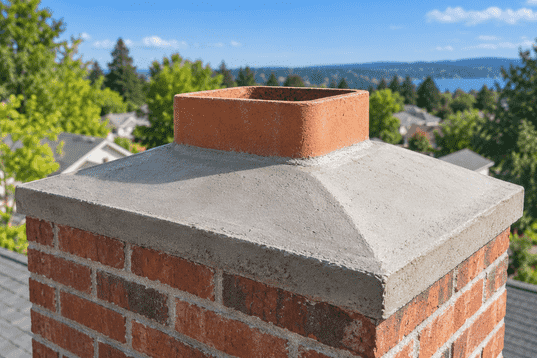
The concrete or masonry surface covering the top of many masonry chimneys. It directs rainwater away from the chimney structure and helps protect the masonry below.
-
03
Chimney Chase Cover
A metal covering that protects the top of a chimney chase, commonly found around factory-built chimney systems. It helps prevent water from entering the surrounding structure.
Why the difference matters: A chimney can still leak with an intact cap if the crown is cracked or the chase cover is deteriorating. Identifying the actual source of water intrusion helps determine which chimney component needs repair.
Chimney Cap vs. Chimney Crown vs. Chase Cover: What's the Difference?
Chimney caps, chimney crowns, and chase covers protect different parts of a chimney. Understanding the difference helps homeowners identify chimney leaks and avoid unnecessary repairs.
Chimney Cap
A metal cover installed above the chimney flue opening. It helps keep rain, animals, and debris out while allowing smoke and combustion gases to escape.
Chimney Crown
The concrete or masonry surface at the top of many masonry chimneys. It directs rainwater away from the chimney structure and helps protect the brickwork below.
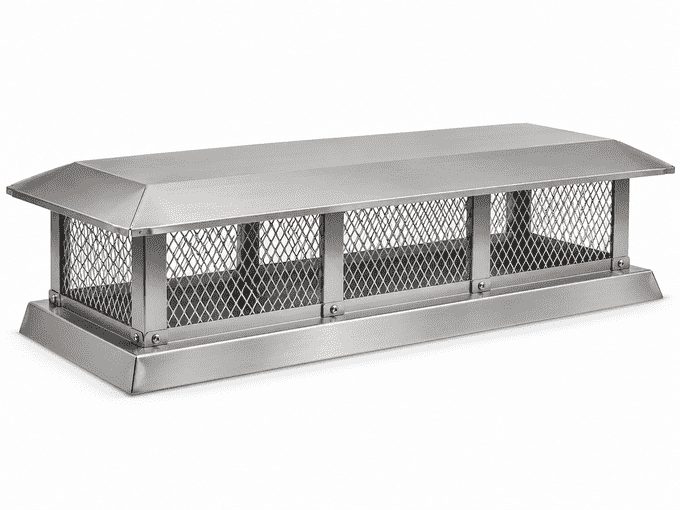
Chimney Chase Cover
A metal covering that protects the top of a chimney chase, commonly surrounding factory-built chimney systems. It helps prevent rainwater from entering the surrounding structure.
Why the difference matters: A chimney can still leak with an intact cap if its crown is cracked or its chase cover is damaged. Identifying the source of water intrusion helps determine which chimney component needs repair.
What Type of Chimney Cap Is Best?
The best chimney cap depends on your chimney's construction, flue size, and venting requirements. Stainless steel, galvanized steel, and copper caps offer different advantages in durability, cost, and appearance.
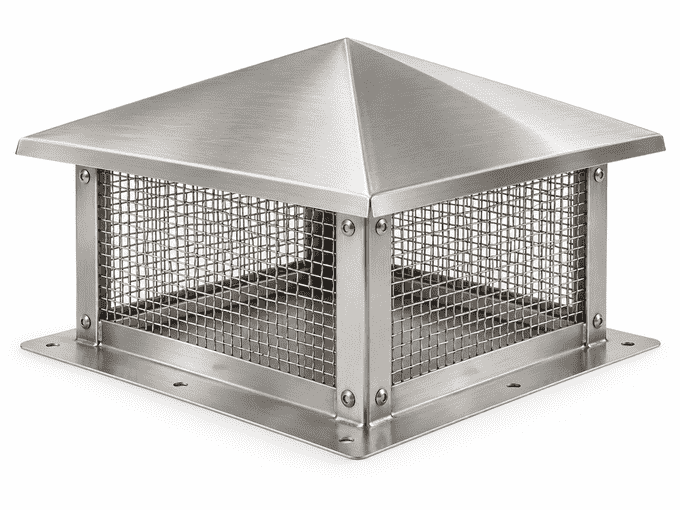
Stainless Steel Chimney Caps
Stainless steel provides excellent corrosion resistance and durability. It's a practical long-term option when replacing a rusted or deteriorating chimney cap.
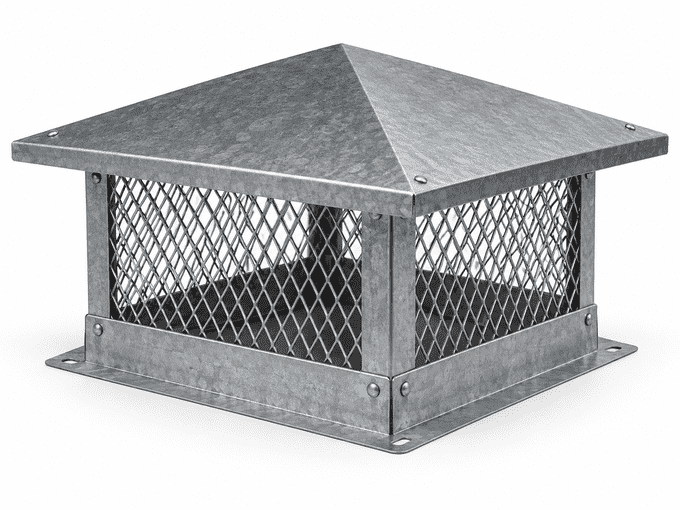
Galvanized Steel Chimney Caps
Galvanized steel is generally a more budget-friendly chimney cap material. However, its protective coating can wear down over time, allowing rust and corrosion to develop.
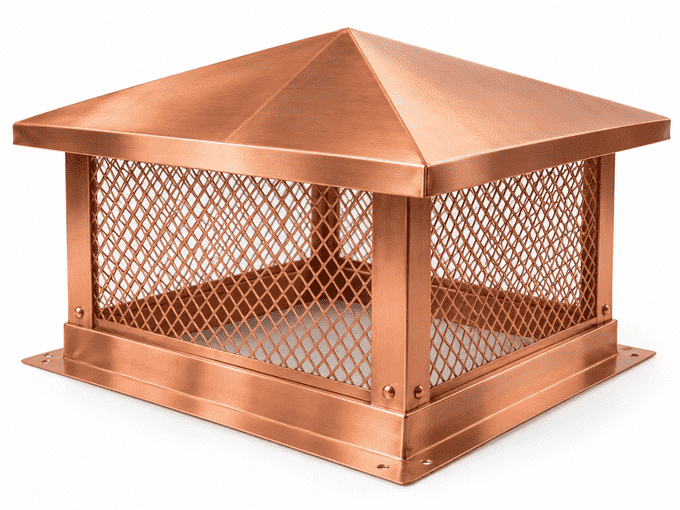
Copper Chimney Caps
Copper offers corrosion resistance and a distinctive appearance. It naturally develops a patina as it ages and is often selected for decorative or custom chimney installations.
Single-Flue vs. Multi-Flue Chimney Caps
The chimney's flue configuration also determines which cap design is appropriate:
- Single-flue chimney caps: Protect one chimney flue opening.
- Multi-flue chimney caps: Cover multiple flue openings beneath a larger protective hood.
Proper fit matters more than appearance. Chimney caps must be compatible with the venting system and allow proper exhaust flow. Factory-built fireplaces and certain gas venting systems may require manufacturer-approved termination components.
How Much Does Chimney Cap Repair or Replacement Cost?
Chimney cap repair and replacement costs depend on the damage, cap material, size, and installation. A minor hardware repair may cost less than replacement, while custom multi-flue caps, difficult roof access, and additional chimney repairs can increase the estimate.
What Affects Chimney Cap Replacement Cost?
The main factors affecting chimney cap repair and installation costs include:
- Flue size and number: Single-flue or multi-flue chimney configurations.
- Cap material: Stainless steel, galvanized steel, or copper.
- Design and fabrication: Standard chimney caps versus custom-made covers.
- Roof accessibility: Chimney height, roof slope, and installation difficulty.
- Existing hardware: Condition of the cap's mounting brackets and fasteners.
- Additional repairs: Damage to the chimney crown, masonry, or surrounding structure.
Comparing chimney cap estimates? Make sure each quote includes the correct cap, installation labor, and necessary repairs. The lowest price isn't always the best value if the cap fits poorly or deteriorates prematurely.
What Happens During a Chimney Cap Evaluation?
A professional chimney cap evaluation checks for damage, secure mounting, proper fit, and potential venting problems. It also helps determine whether the cap needs repair, replacement, or another chimney component needs attention.
Depending on the symptoms, a chimney technician may inspect:
- Cap condition: Rust, corrosion, dents, and damaged metal.
- Mounting hardware: Loose fasteners, brackets, or improper attachment.
- Mesh and flue opening: Blockages, damaged screening, and airflow concerns.
- Surrounding components: Chimney crown, chase cover, flashing, and masonry when water intrusion is suspected.
- Replacement requirements: Correct cap dimensions, design, and compatibility with the chimney's venting system.
Why proper sizing matters: An incorrectly fitted chimney cap may leave the flue exposed or interfere with the safe release of smoke and combustion gases.
Can You Inspect Your Chimney Cap Yourself?
Yes, you can check for obvious chimney cap damage from a safe position on the ground. However, a ground-level check cannot replace a professional chimney inspection.
Look for visible warning signs such as:
- Rust or corrosion on the metal cap.
- A missing, loose, or crooked cap above the chimney flue.
- Visible storm damage or displaced components.
Damaged fasteners, blocked mesh, and small cracks may not be visible from below. Chimneys and fireplaces should generally receive a professional inspection at least once a year, with additional evaluation after significant damage or unusual performance problems.
Don't climb onto the roof to inspect or replace a chimney cap yourself. Roof work involves serious fall hazards, and improper chimney cap installation can affect safe ventilation.
Protect Your Chimney With the Right Repair
A damaged chimney cap doesn't always need replacing. The right solution depends on what's actually wrong.
Your chimney cap helps keep rain, animals, and debris out of the flue while allowing proper ventilation. When it becomes rusted, loose, clogged, or damaged, a professional evaluation can determine whether repair or replacement is necessary.
Piedmont HVAC, Plumbing and Chimney provides chimney cap repair, installation, and replacement in Shelby, Kings Mountain, Gastonia, Forest City, Hickory, Morganton, and surrounding North Carolina communities.
Learn more about our chimney capping services or contact our team to schedule an evaluation.
Noticed Rust, Leaks, or a Missing Chimney Cap?
Have your chimney cap inspected and find out whether repair or replacement is the right next step.
Frequently Asked Questions
Gas and wood-burning fireplaces may require different chimney caps because their venting systems operate differently. Traditional masonry fireplaces often use rain caps with mesh screening, while direct-vent gas fireplaces typically require specific termination components approved by the appliance manufacturer.
Factory-built fireplaces, gas inserts, and wood stoves can also have particular venting requirements. Before replacing a chimney cap, identify the fireplace or heating appliance and confirm which termination components are compatible with its venting system.
The correct chimney cap size depends on the flue’s dimensions, shape, and mounting design. Single-flue caps are commonly selected using the outside dimensions of the flue tile or pipe, while multi-flue caps require measurements of the chimney top and the flues being covered.
Clearance above the flue openings and secure mounting are also important. Because nominal flue sizes do not always match actual measurements, a chimney professional should verify the dimensions before ordering a replacement cap.
Yes. A properly designed multi-flue chimney cap can protect several flue openings beneath one larger hood. These caps are commonly installed on masonry chimneys with multiple flues.
However, the cover must provide sufficient space and clearance for each flue to vent correctly. A multi-flue cap is not automatically suitable when different flues serve appliances with separate venting requirements. The chimney configuration should be evaluated before installation.
No. A chimney cap protects the flue opening from weather, animals, and debris, while a chimney damper controls airflow through the fireplace or chimney.
Traditional dampers are commonly located near the fireplace throat. Top-sealing dampers are installed at the chimney opening and close when the fireplace is not in use. Some top-sealing systems combine damper and protective-cover functions.
Before using a fireplace, its damper must be fully open to allow proper venting.
Many chimney caps include mesh screening to help prevent birds, squirrels, leaves, and other debris from entering the flue. On suitable wood-burning chimney systems, the screen may also function as a spark arrestor.
However, not every venting system should have the same type of screening. Mesh openings must be compatible with the chimney and appliance to avoid restricting exhaust flow. Factory-built and gas-vent systems may require specific manufacturer-approved termination designs.
No. A chimney cap does not eliminate the risk of chimney fires. Caps equipped with appropriate spark arrestor screening can help reduce the escape of burning embers, but they do not prevent combustible creosote deposits from accumulating inside a wood-burning chimney.
Creosote buildup, flue damage, and other unsafe conditions still require attention. Regular professional chimney inspections and cleaning when necessary remain essential, even when the chimney has a properly installed cap.