The last fire of the season usually feels like the end of the job.
You let the embers die out, close the damper, and move on to warmer weather. But spring is actually one of the best times to check what winter may have left behind.
Cracked mortar, damaged flashing, loose caps, moisture intrusion, and creosote buildup are easier to address before they sit unnoticed through the warmer months. Waiting until fall can mean discovering problems right when you are ready to use the fireplace again.
At Piedmont HVAC, Plumbing, & Chimney , we help homeowners identify chimney issues early so repairs and maintenance can be handled before the next heating season begins.
Here’s why a spring chimney inspection can be one of the smartest maintenance steps you take all year.
What Does Chimney Spring Shut Down Include?
A spring chimney check should focus on the areas most likely to show wear after a full heating season.
- Creosote buildup evaluation
- Flue liner inspection
- Chimney cap and crown check
- Masonry and mortar assessment
- Damper operation test
- Smoke chamber inspection
- Animal or nesting activity check
- Moisture and water-damage evaluation
Spring is a practical time for this inspection because winter-related wear is still recent, giving homeowners time to address problems before the next heating season.

Why Spring Is a Smart Time for Chimney Inspection
Many homeowners wait until fall to think about chimney maintenance. Spring gives you more time to catch winter wear, moisture issues, and blockages before the next heating season.
Creosote Buildup Is Ready to Be Checked
Burning wood leaves creosote inside the flue. After a full heating season, buildup may be significant enough to require cleaning.
The National Fire Protection Association recommends annual chimney inspection, and creosote is one of the conditions professionals look for.
Moisture Damage Becomes Easier to Spot
Rain, humidity, and temperature changes can expose weaknesses in chimney crowns, mortar joints, flashing, and masonry.
- Spalling or damaged bricks
- Cracked mortar joints
- Rusted dampers or metal components
- Signs of flue liner deterioration
Animal Activity Increases in Warmer Weather
Birds, squirrels, raccoons, and other animals may use an uncapped or damaged chimney as a nesting spot.
Nesting debris can restrict airflow and create problems when the fireplace is used again. Checking the chimney cap in spring gives you time to repair or replace it before animals settle in.
What Happens If You Skip Spring Chimney Maintenance?
Small chimney problems can keep developing while the fireplace sits unused. Moisture, corrosion, and hidden damage are especially easy to miss during the warmer months.
- Structural deterioration
- Flue liner damage or corrosion
- Mold or moisture problems inside the chimney chase
- Damper rust and metal deterioration
- Drafting problems when the fireplace is used again
- Higher chimney fire risk from unresolved buildup or damage

Key Areas Checked During a Spring Chimney Inspection
After winter, a professional chimney inspection focuses on the areas most likely to show heat, moisture, and structural wear.
Flue Liner Condition
The flue liner helps contain heat, smoke, and combustion gases. Inspectors typically look for:
- Cracks or separation in clay liners
- Rust or corrosion in metal liners
- Deteriorated joints
- Creosote buildup
Damage can increase fire risk and allow heat or gases to escape. Camera inspection can reveal problems that are not visible from below.
Chimney Crown and Cap
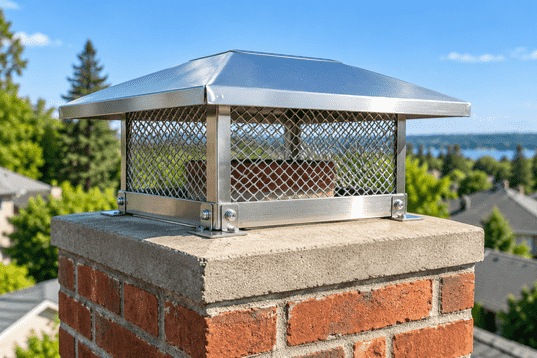
The crown helps direct water away from the masonry, while the cap helps keep out rain, debris, and animals.
- Crown cracks or deterioration
- Loose or missing chimney caps
- Water entry around the flue
- Debris or nesting activity
Spring is a good time to address these issues before months of rain and humidity cause more damage.
Masonry and Mortar Joints
Freeze-thaw cycles can weaken brick and mortar over time. Inspectors look for:
- Loose or shifting bricks
- Crumbling mortar
- White staining or efflorescence
- Small cracks along masonry joints
- Interior staining near the chimney
Early repair can help prevent deeper water intrusion and more extensive masonry work later.
Damper Operation and Draft
Moisture and corrosion can affect the damper after winter. Common issues include:
- Rust
- Warped components
- Sticking dampers
- Poor airflow or draft
Checking the damper in spring gives you time to correct problems before the fireplace is needed again.
Why These Areas Matter
Many chimney problems begin with creosote, moisture, freeze-thaw damage, or small structural changes. Catching them early can help reduce the risk of chimney fires, water damage, masonry deterioration, and costly repairs before the next heating season.
How Winter Use Affects Chimney Health
Every heating season puts stress on a chimney. Heat, smoke, moisture, and residue can gradually affect the flue, masonry, and venting system.
- Heat expansion and contraction
- Smoke and combustion residue
- Creosote accumulation in wood-burning systems
- Moisture and condensation
Wood-burning fireplaces can develop significant creosote buildup during regular use, while gas systems can still experience condensation, venting issues, and moisture-related wear.
Regardless of fuel type, regular chimney inspection helps identify buildup, liner damage, moisture problems, and other wear before the next heating season.
Spring Chimney Cleaning vs. Fall Cleaning
Both can be useful, but the timing changes what you gain from the service.
Best for Catching Problems Early
- Removes creosote after the heating season
- Helps identify winter-related damage sooner
- Leaves more time for repairs before fall
- May make off-season scheduling easier
Best for Pre-Season Readiness
- Confirms the chimney is ready for use
- Addresses buildup or issues before the first fire
For homeowners who want to catch winter wear early and leave plenty of time for repairs, spring chimney maintenance can be especially practical.
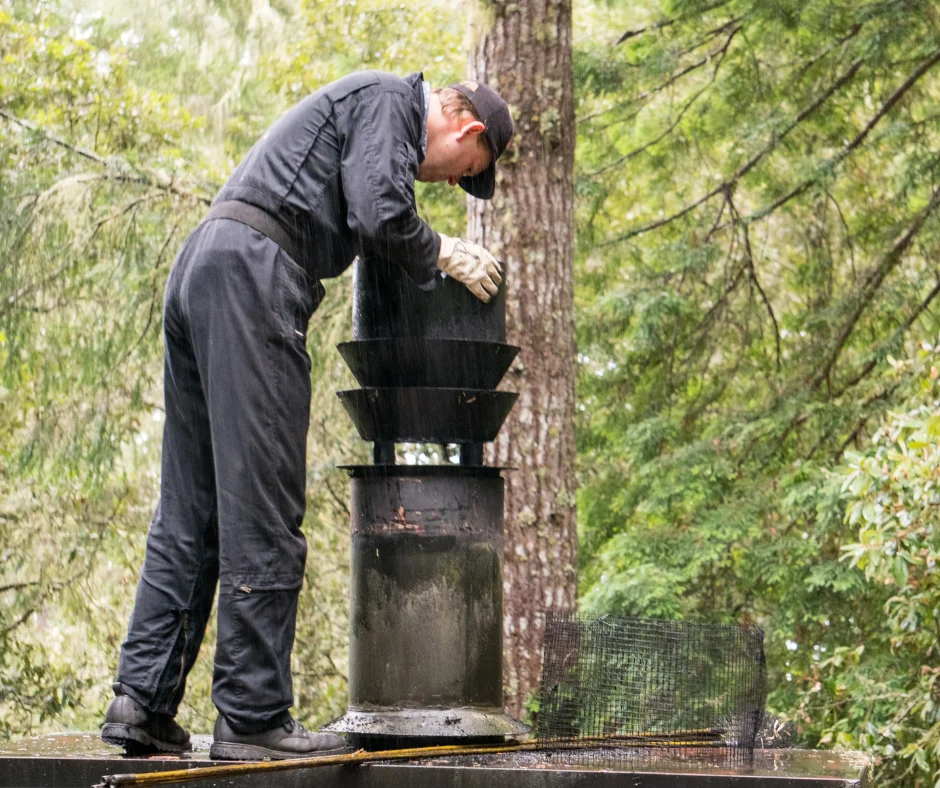
Signs Your Chimney Needs Immediate Inspection
Schedule a chimney inspection if you notice any of these warning signs after winter.
- Strong smoky odor
- White staining on exterior brick
- Rust flakes inside the firebox
- Water inside the fireplace
- Cracks in the chimney crown
- A sticking or difficult damper
- Animal noises inside the chimney
Even small signs can point to moisture intrusion, residue buildup, corrosion, or chimney damage that should be checked before the next heating season.
Chimney Maintenance Checklist for Spring
A few simple checks can help you spot obvious problems before the chimney sits unused for the season.
- Remove leftover ash and debris
- Close the damper after cleaning
- Visually check the chimney cap
- Look for cracked or damaged brickwork
- Check ceilings and walls for staining
- Schedule a professional chimney inspection
Some chimney problems are hidden inside the flue or structure and cannot be seen from ground level. Professional inspection helps identify issues that basic visual checks may miss.
Piedmont HVAC, Plumbing, & Chimney provides chimney evaluations that may include flue camera inspection, structural checks, draft testing, and moisture assessment.
Long-Term Cost Perspective
Routine chimney maintenance can help catch small problems before they become larger, more expensive repairs.
- Chimney fires
- Major masonry repairs
- Flue liner replacement
- Interior water damage
- Mold-related cleanup
In many cases, regular inspection costs far less than repairing advanced structural or moisture damage. Annual maintenance can also help extend the useful life of the chimney system.
Final Thoughts
Spring is not just the end of fireplace season. It is the right time to protect your chimney before moisture, storms, and another heating season take their toll.
Regular chimney inspection and chimney maintenance can help reduce the risk of structural damage, moisture intrusion, and fire hazards.
If you want to catch small issues before they become larger repairs, schedule a professional chimney inspection with Piedmont HVAC, Plumbing, & Chimney.
Frequently Asked Questions
Spring is one of the best times for chimney inspection because it allows you to identify winter damage immediately. Freeze-thaw cycles, creosote buildup, and moisture intrusion often weaken masonry and flue liners during heating season. A spring chimney inspection prevents moisture deterioration throughout summer and reduces emergency repairs before next winter.
The National Fire Protection Association recommends annual chimney inspection for active fireplaces. Even if you only use your fireplace occasionally, yearly chimney maintenance ensures safe venting, checks flue liner condition, and prevents creosote accumulation that increases chimney fire risk.
Yes, especially for wood-burning fireplaces. Wood combustion creates creosote buildup inside the flue. Creosote is highly flammable and is the leading cause of chimney fires. Annual chimney cleaning removes residue before it hardens, reducing fire hazards and improving draft performance.
Yes. While gas fireplaces produce less creosote than wood-burning systems, they still require annual chimney inspection. Gas appliances create condensation inside venting systems, which can lead to flue liner corrosion, masonry damage, and blocked vents. Chimney maintenance ensures proper draft and carbon monoxide safety.
Yes. Moisture is the primary cause of chimney masonry deterioration. Rain and humidity penetrate small cracks in mortar joints and chimney crowns. Over time, water causes brick spalling, mortar erosion, flue liner damage, and interior staining. Spring chimney maintenance identifies and seals these entry points early.
A standard Level 1 chimney inspection typically takes 45 to 90 minutes depending on accessibility and condition. Inspections may include visual examination, flue liner camera scanning, masonry evaluation, damper testing, and draft assessment.