Water filters play a major role in keeping household water clean, safe, and pleasant to use. Like any part of a filtration system, they wear out over time and eventually stop removing contaminants effectively. Knowing how often to replace each type of water filter helps protect your drinking water, extend the life of your system, and maintain consistent water quality throughout your home.
How Often Should You Replace Water Filters?
Most water filters need replacement every 3 to 12 months. Sediment filters last 3 to 6 months, carbon filters last 6 to 12 months, reverse osmosis pre-filters last 6 to 12 months, RO membranes last 2 to 3 years, UV bulbs last 12 months, and refrigerator filters last about 6 months. Homes with well water or strong chlorine levels often need more frequent changes.

Why Replacing Water Filters Is So Important
Water filters capture contaminants such as sediment, chlorine, organic compounds, and dissolved solids to keep your water clean and safe. As the filter media fills up, it becomes saturated and cannot hold additional particles. Once this happens, several problems begin to show:
- Water quality declines
- Trapped contaminants may start passing through
- Water pressure drops due to restricted flow
- Appliances and fixtures develop mineral buildup
- Tastes and odors return quickly
Expired filters can also create conditions where bacteria may grow inside the housing, especially in systems that handle untreated well water or heavy sediment.
Different water sources place different demands on filters. City water often contains chlorine, chloramines, and pipe scale from older distribution lines, which can speed up carbon filter exhaustion. Homes using well water may have iron, manganese, sulfur, hardness minerals, or fine sediment that clog sediment filters and RO systems faster than expected. These conditions shorten filter lifespan and make timely replacements essential for maintaining good water quality, consistent pressure, and the overall performance of your water filtration system.
How Long Each Type of Water Filter Lasts
Different water filters are designed for different types of contaminants, so each one has its own lifespan. Actual replacement timelines depend on water quality, usage, and the type of filtration system you have. Below are the most common filters and the realistic intervals most homeowners should expect.
Sediment Pre-Filters: 3 to 6 Months
Sediment filters capture dirt, sand, rust, silt, and larger particles that protect your plumbing and downstream filters. These are essential for whole-house filtration systems and well-water homes.
Replace them sooner if you notice:
- Cloudy or gritty water
- Visible sediment in sinks or tubs
- Noticeable pressure drops
- Filters turning dark brown soon after installation
Homes with high sediment, iron, or turbidity often need replacements closer to every 2 to 4 months. Fine sediment can quickly clog these filters and reduce flow.
Carbon Filters: 6 to 12 Months
Carbon filters reduce chlorine, chemical compounds, organic contaminants, and odors. They also improve taste, especially in areas where chlorination levels are high.
Replace closer to 6 months if:
- Water has a strong chlorine smell
- Taste becomes flat or metallic
- Shower steam has a chemical odor
- You rely heavily on filtered drinking water
High chlorine exposure exhausts carbon media faster, which reduces filtration performance.
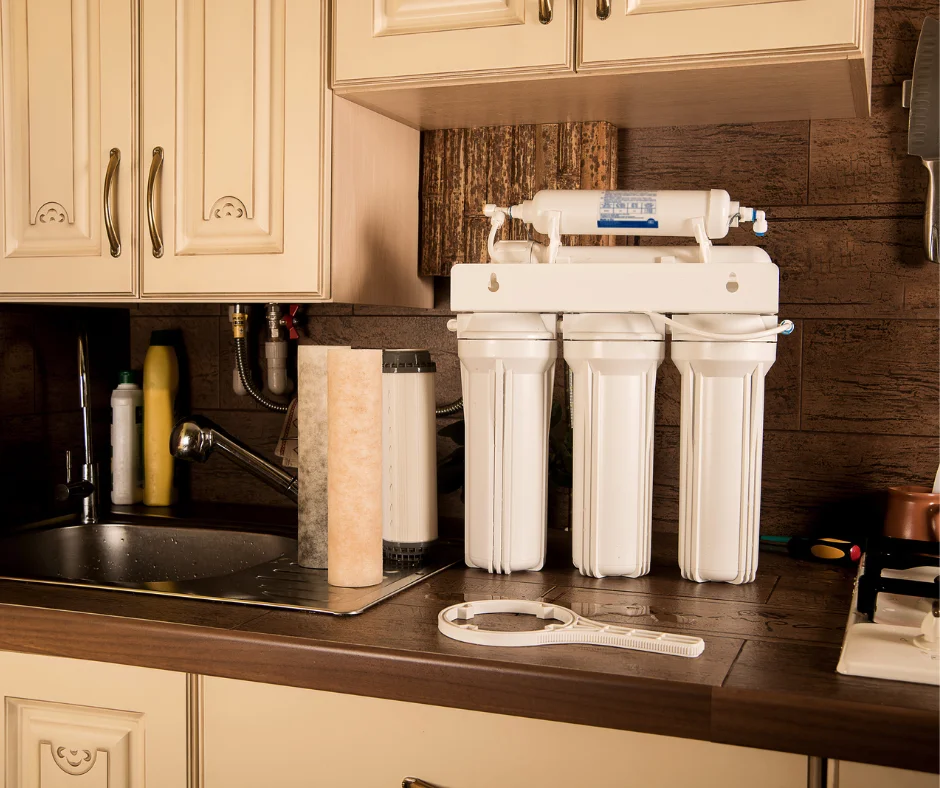
Reverse Osmosis (RO) Pre-Filters: 6 to 12 Months
RO pre-filters remove sediment and chlorine before water reaches the RO membrane. This step protects the membrane from premature degradation.
If pre-filters are not changed on time, the membrane may fail early. Regular replacement helps maintain proper flow rates, TDS reduction, and filtration efficiency.
Reverse Osmosis Membrane: 2 to 3 Years
The RO membrane removes:
- PFAS
- Lead
- Nitrates
- Sodium
- Dissolved metals
- Micro-contaminants
- Total dissolved solids (TDS)
Water with high TDS, hardness minerals, or sediment causes membranes to wear out faster. Many homes with these conditions replace the membrane closer to the 2-year mark.
UV Bulbs: 12 Months
UV purification systems disinfect water by neutralizing bacteria and viruses without chemicals. Even though the bulb continues to glow after a year, UV intensity declines with use.
A drop in UV output reduces disinfection effectiveness, so annual replacement is important, especially for homes using untreated well water.
Refrigerator Water Filters: 6 Months
Refrigerator filters use small carbon cartridges that remove taste and odor contaminants. They clog quickly due to their compact size.
If dispenser water tastes bitter or stale, or ice develops odors, the filter is likely overdue.
Water Softener Resin: 8 to 12 Years
While not a traditional filter, water softener resin removes hardness minerals such as calcium and magnesium. Over time, resin loses its ability to regenerate properly and becomes less effective.
Homes with very hard water or high iron content may need resin replacement sooner.
How Water Conditions in NC Affect Filter Lifespan
Water quality has a major impact on how long your water filters last. Different water sources contain different levels of sediment, minerals, disinfectants, and dissolved contaminants. These variations influence how quickly sediment filters, carbon filters, RO systems, and whole-house filtration systems become clogged or exhausted.
City Water
Most municipal water supplies contain:
- Chlorine or chloramines
- Small amounts of sediment and pipe scale
- Organic compounds from surface water sources
- Trace metals from older pipes
Chlorine and chloramines reduce the lifespan of carbon filters because they break down activated carbon media over time. Sediment and pipe scale can also shorten the life of RO pre-filters and whole-house sediment cartridges. Homes with high chlorine levels may need to replace carbon filters closer to the 6-month mark.
Well Water
Private wells often contain higher levels of naturally occurring minerals and sediment, including:
- Iron
- Manganese
- Sulfur
- Hardness minerals
- Silt and fine sediment
- Occasional bacteria or coliform
- Elevated TDS levels
These contaminants clog filters faster and may cause sediment cartridges, carbon filters, RO membranes, and UV systems to work harder than intended. Homes with iron, sulfur, or heavy sediment often require more frequent filter changes, sometimes every 2 to 4 months, depending on usage and water quality.
Consistent filter replacement helps maintain good water pressure, protects plumbing fixtures, and ensures your filtration system continues to remove impurities effectively.
Signs Your Water Filter Needs Replacement Right Away
A water filter rarely stops working all at once. Instead, the performance declines gradually as the filter media becomes saturated with sediment, chlorine, minerals, or other contaminants. If you notice any of the following symptoms, your filter is likely overdue for replacement:
- Water pressure drops throughout the home
- Tap water develops unusual tastes or odors
- Water looks cloudy, hazy, or slightly discolored
- Sediment filters turn dark brown or black much faster than normal
- Ice tastes bitter or has an unusual smell
- Hard water symptoms return, such as soap not lathering well
- Mineral buildup reappears on fixtures and appliances
- Reverse osmosis systems stop filling their storage tank
- Carbon filters no longer reduce chlorine smell in showers
Old or clogged filters may also allow contaminants like iron, manganese, or dissolved solids to pass through untreated. If you find yourself switching back to bottled water because your tap water tastes off, that is a clear sign your filtration system needs attention.
What Happens When You Keep using Expired Water Filters
When a water filter reaches the end of its lifespan, the filter media can no longer trap additional contaminants. Instead of improving water quality, an expired filter can create new problems. Some issues develop slowly, while others show up almost immediately.
Expired or clogged filters can lead to:
- Bacterial growth inside filter housings, especially in systems handling untreated well water
- Restricted water flow throughout the home due to blocked sediment or carbon cartridges
- Increased wear on water heaters, dishwashers, and other appliances as minerals and sediment pass through
- Hard water symptoms returning, including scale buildup and poor soap performance
- Contaminants such as iron, manganese, chlorine, and sediment slipping through the filtration media
- Unpleasant tastes, odors, or discoloration in drinking water
- Premature failure of reverse osmosis membranes caused by unfiltered sediment or chlorine exposure
Once a filter becomes saturated, it stops acting as a barrier and can begin releasing trapped particles back into the water. Instead of improving water quality, it becomes a source of contamination. Replacing filters on schedule is the most effective way to maintain clean, safe, and reliable water throughout your home.
How Often Homeowners Should Replace Filters
Here is a practical schedule based on local conditions:
City Water Homes
- Carbon filters: 6 months
- Sediment filters: 6 months
- RO pre-filters: 6 to 12 months
Well Water Homes
- Sediment filters: 3 to 6 months
- Carbon filters: 6 months
- UV bulbs: 12 months
- RO membranes: 2 years
If your well produces a lot of sediment or iron, you may need changes as often as every 2 to 3 months.
How to Make Your Water Filters Last Longer
Water filters last longer and perform better when the rest of the system is maintained properly. A few simple habits can reduce clogging, improve water quality, and extend the life of sediment filters, carbon filters, RO membranes, and whole-house filtration systems.
Here are effective ways to maximize filter lifespan:
- Use a sediment pre-filter to catch sand, silt, rust, and large particles before they reach carbon filters or reverse osmosis systems
- Maintain consistent water pressure, since high pressure can force contaminants through filter media and low pressure can reduce filtration efficiency
- Choose high-quality filter cartridges made for your specific system, since cheaper cartridges often clog faster or filter less effectively
- Flush new filters before use to remove loose carbon dust or manufacturing residue
- Test your water annually to understand changes in chlorine levels, hardness, TDS, or sediment content
- Schedule routine service for whole-house filters, RO systems, UV lights, and water softeners to keep everything operating as designed
Good system maintenance reduces strain on your filters and helps ensure clean, reliable water throughout your home.
When Homeowners Should Call a Professional Plumber
Some water filtration issues are simple, but others require a trained plumber or water treatment specialist. Professional service ensures the filtration system, plumbing connections, and water quality are evaluated correctly, especially when problems keep returning.
You should contact a professional when:
- Filter housings leak or show signs of cracking
- Water pressure drops significantly throughout the home
- Sulfur or chlorine odors return shortly after changing filters
- Rust-colored or discolored water appears at multiple fixtures
- Reverse osmosis tanks stop filling or produce very slow flow
- Filters clog much faster than expected, even after replacements
- High TDS readings continue after installing new cartridges
- UV systems show alarms or fail to maintain disinfection levels
- Water softeners stop regenerating properly or leave hardness residue
A professional technician can test your water, inspect the filtration system, diagnose the root cause, and recommend long-term solutions. This prevents repeated issues and helps ensure your drinking water stays clean, safe, and consistent.
How Piedmont HVAC, Plumbing and Chimney Can Help
We provide:
- Water testing
- Filter replacement
- RO system service
- Whole-house system maintenance
- UV bulb replacement
- Leak repair and troubleshooting
- System upgrades
- Annual maintenance plans
Our team helps homeowners keep their water clean, safe, and consistent.
Frequently Asked Questions
Most whole-house water filters need to be replaced every 6 to 12 months, depending on water quality, sediment levels, and overall household water usage.
Yes. Well water often contains higher levels of sediment, iron, manganese, and hardness minerals, which clog filters faster and require replacement every 3 to 6 months.
RO pre-filters generally last 6 to 12 months, while the RO membrane lasts about 2 to 3 years if water quality is stable and maintenance is kept up.
Common signs include low water pressure, cloudy or metallic-tasting water, chlorine odor, slow flow from faucets, dark or discolored filters, and returning hard water symptoms.
Most refrigerator filters should be replaced every 6 months to maintain good taste and proper filtration.
Basic carbon filters, sediment filters, and refrigerator filters can be changed easily, but whole-house systems and reverse osmosis filters often work best with professional installation or service.