Commercial plumbing problems rarely begin as emergencies. They start small. A drain takes longer to empty than it used to. A toilet runs a bit longer after flushing. Water pressure feels uneven from one floor to the next. Maybe a faint musty smell lingers near a wall or mechanical room. None of these issues seem urgent at first, which is why they often get ignored in busy commercial environments.
But those small signs can turn into major plumbing failures if they aren’t inspected and corrected early. Commercial plumbing systems handle constant demand from employees, tenants, customers, or equipment. With the number of fixtures and the amount of daily use most buildings experience, plumbing systems age faster and wear out more frequently than residential ones.
This is why routine plumbing inspections are essential. The schedule depends on your building type, how often your plumbing is used, and the condition of your system. In this guide, built for Piedmont HVAC, Plumbing and Chimney, you’ll learn how often commercial buildings should be inspected, what those inspections include, and the early warning signs you shouldn’t ignore. The goal is to give business owners, property managers, and facility directors clear, practical guidance that helps them prevent downtime and protect their buildings.
How Often Commercial Buildings Should Be Inspected
Most Commercial Buildings: Once Per Year
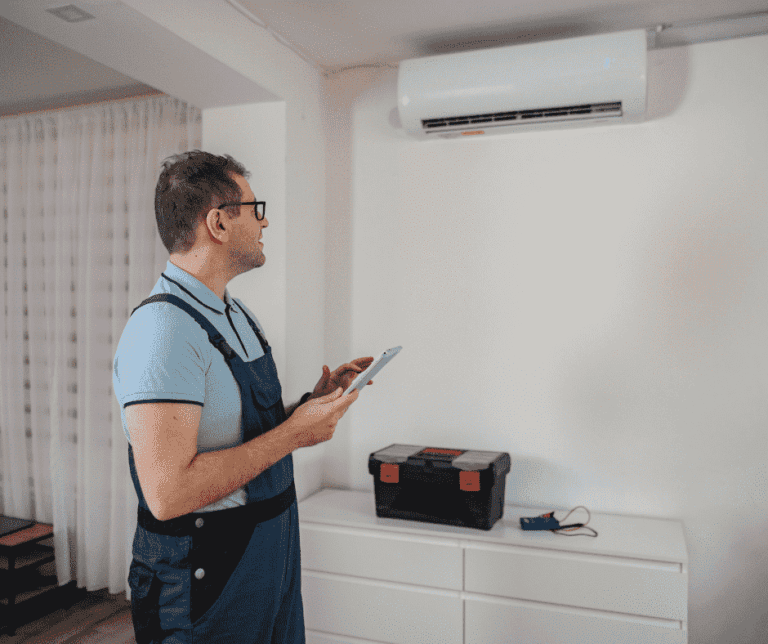
Offices, retail stores, warehouses, and general commercial spaces typically need a complete plumbing inspection once a year. An annual inspection allows a licensed commercial plumber to check for leaks, test water pressure, evaluate fixture performance, inspect visible piping, review backflow devices, and assess the condition of water heaters or boilers.
A yearly inspection helps prevent small problems from turning into emergencies.
High-Demand Properties: Every Six Months
Some buildings use much more water or rely heavily on drainage systems. These usually need plumbing inspections twice a year:
- restaurants
- commercial kitchens
- hotels
- gyms and fitness centers
- schools
- healthcare facilities
- factories and industrial facilities
These inspections focus on drains, grease traps, pressure regulation, sewer line performance, and high-usage fixtures. Regular six-month inspections reduce the risk of shutdowns caused by blockages or equipment failure.
Multifamily and Apartment Buildings: Twice Yearly (Minimum)
Multifamily buildings have constant plumbing use across dozens or hundreds of units. Tenants also tend to report issues later than they should, which means problems can spread more quickly.
Most multifamily properties need:
- two plumbing inspections per year
- quarterly drain inspections for larger complexes
This keeps major failures, sewer issues, leaks, and pressure problems from affecting multiple units or floors.
Older Buildings: Every Six to Twelve Months
Buildings older than 30 years often have pipes, valves, and fixtures that are far past their intended lifespan. Aging materials corrode, wear out, or fail more easily, especially under commercial demand.
Older properties should receive:
- an annual inspection at minimum
- semiannual inspections if they have a history of leaks or plumbing failures
This helps identify pipe corrosion, weak joints, outdated valves, and failing fixtures before they become major problems.

What a Commercial Plumbing Inspection Includes
A commercial plumbing inspection is more detailed than a residential one. Commercial buildings have larger systems, more fixtures, and stricter compliance requirements. A complete inspection usually includes:
1. Water Supply System Assessment
A plumbing inspection always begins with a full review of the building’s water supply system. This part of the inspection helps identify pressure issues, early leaks, and signs of wear that can shorten the lifespan of commercial plumbing systems. Stable water pressure and clean, unrestricted lines are essential for any high-demand building.
What Is Checked During a Water Supply System Assessment
- Pressure Testing: The plumber checks both static and working pressure throughout the building. High pressure wears out pipes, fixtures, and seals much faster than normal. Low pressure often points to blockages, corroded lines, partially closed valves, or problems with the municipal supply.
- Regulator Checks: Pressure-reducing valves are tested to confirm they are keeping pressure within a safe range. A failing regulator can create sudden pressure spikes that damage commercial toilets, flush valves, and water-using equipment.
- Leak Detection: Moisture meters, thermal tools, and visual inspections help locate hidden leaks behind walls, above ceilings, and near mechanical rooms. Even a slow, quiet leak can raise water bills, lead to mold, and weaken building materials.
- Corrosion Inspection: Pipes are checked for mineral buildup, discoloration, and thinning. Corrosion restricts flow, weakens joints, and eventually leads to pipe failures. Older copper or galvanized systems are especially vulnerable.
- Flow Testing: Flow tests confirm that fixtures are supplying consistent water volume. Low or inconsistent flow can indicate buildup inside pipes, failing mixing valves, or pressure issues in certain zones of the building.
Additional Checks for Commercial Plumbing Systems
- Valve Operation Testing: Main shutoff valves and isolation valves are tested to make sure they open and close correctly. Valves that fail during an emergency make leaks harder to control and create more damage.
- Backflow Risk Review: Supply lines are evaluated for potential cross-connection risks that could allow contaminated water to enter clean lines.
- Water Quality Evaluation: Discoloration, sediment, or metallic odors may suggest pipe corrosion, water heater tank rust, or a municipal water issue. Poor water quality affects equipment like commercial water heaters, ice machines, and food service fixtures.
- Pressure Zone Balance: Large buildings often have multiple pressure zones. Inspectors check for consistent pressure between floors and different areas of the property. Imbalanced zones strain fixtures and reduce overall efficiency.
- Thermal Expansion Control: Water heaters and boilers create expanding water that increases pressure inside the system. Expansion tanks and relief valves are checked to ensure they are absorbing pressure correctly.
- Water Hammer Assessment: Commercial buildings often deal with water hammer due to frequent start-and-stop cycles from appliances and fixtures. If water hammer is present, it can damage pipes, fittings, and valves over time.
Why This Assessment Is Important
Water supply issues are among the most common causes of premature pipe wear and fixture failure in commercial buildings. Hidden pressure problems or small leaks can eventually lead to:
- higher water bills
- early fixture breakdown
- structural damage
- mold growth
- water heater wear
- pipe corrosion
A detailed water supply system assessment keeps the plumbing system safe, efficient, and reliable under heavy commercial use.
2. Drain and Sewer Evaluation
Drain and sewer evaluations are essential in any commercial plumbing inspection because these systems handle large volumes of wastewater every day. High-capacity drainage systems in restaurants, warehouses, multifamily properties, and office buildings collect debris, grease, paper products, and cleaning residues at a much faster rate than residential systems. A single blockage can disrupt operations across the entire building, so early detection is a priority.
What Is Reviewed During a Drain and Sewer Evaluation
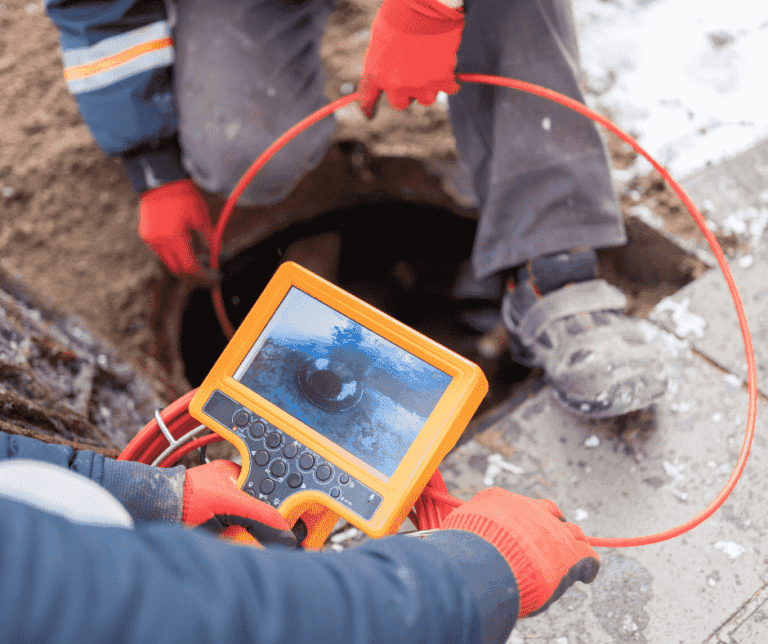
- Camera Inspection: A sewer camera is fed through the main lines to inspect pipe walls, joints, and connections. This helps identify cracks, collapsed sections, tree root intrusion, mineral scaling, or buildup deep inside the system. Camera inspections are especially useful for diagnosing recurring clogs or unexplained backups.
- Drain Flow Testing: Each drain is checked for speed and consistency of flow. Slow drainage often points to partial blockages, grease accumulation, heavy sediment, or deteriorating piping. Flow testing helps determine if cleaning or hydrojetting is needed.
- Blockage Detection: Inspectors look for foreign objects, grease layers, mineral buildup, hair, and food waste inside high-use commercial drains. Blockage detection is especially important in restaurants, schools, hotels, and multifamily communities where drains see constant traffic.
- Floor Drain Visibility Checks: Floor drains in commercial kitchens, restrooms, mechanical rooms, loading docks, and basements are evaluated to ensure they are clear and draining properly. Floor drains play a major role in preventing flooding, especially during equipment failure, spills, or fire sprinkler activation.
- Odor Inspection: Sewer gas odors can indicate venting problems, dry traps, blockages, or sewer line leaks. Since sewer gases are both unpleasant and unsafe, identifying the source quickly helps prevent air quality issues inside the building.
Additional Checks That Improve Accuracy
- Hydrojetting Feasibility Review: Inspectors assess whether the drain or sewer system would benefit from hydrojetting. Hydrojetting services use high-pressure water to remove grease, scale, and debris that traditional snaking cannot reach. This method is ideal for commercial kitchens, food service operations, and older sewer lines.
- Grease Line Assessment: In restaurants or properties with commercial kitchens, inspectors evaluate grease lines for buildup. Grease accumulation is one of the most common causes of sewer line blockages. Inspecting grease lines helps prevent major backups and code violations.
- Sewer Vent System Evaluation: Vent stacks are checked to ensure proper airflow. Poor venting can cause gurgling drains, slow drainage, trap siphoning, and sewer odors. Many buildings experience drain issues simply because their vents are partially blocked.
- Storm Drain and Exterior Line Review: Properties with exterior drains, parking lot drains, or roof drainage connections are evaluated for sediment, trash, or root intrusion. Commercial storm drains are often overlooked but can cause major water pooling and flooding if obstructed.
- Main Line Integrity Check: The main sewer line is inspected for sagging sections, root intrusion, or structural damage. These problems often develop slowly, and identifying them early helps avoid full sewer system failure.
Why This Evaluation Is Important
Drain and sewer issues are one of the most common sources of commercial plumbing emergencies. When these systems fail, the impact spreads quickly:
- multiple floors experience slow drainage
- toilets back up
- grease traps overflow
- sewer odors move through the building
- operations may need to stop completely
A full evaluation prevents these problems by identifying early signs of trouble in drains, sewer lines, and vent systems. Early detection is more cost-effective than responding to a full backup or flooding incident.

3. Water Heater and Boiler Review
Commercial water heaters and boilers work much harder than residential units, and they support critical daily operations in restaurants, offices, schools, multifamily properties, hotels, and healthcare facilities. A problem in the hot water system can interrupt service across the entire building. This is why commercial plumbing inspections always include a detailed review of the water heating equipment.
What Is Evaluated During a Water Heater and Boiler Review
- Sediment Buildup: Sediment settles at the bottom of tanks over time, especially in high-demand systems. This reduces heating efficiency, causes rumbling noises, increases energy use, and shortens the lifespan of the tank. Inspectors look for signs of buildup and determine whether flushing is necessary.
- Temperature Consistency: Hot water should remain steady throughout the building. Fluctuating temperatures can indicate failing thermostats, worn heating elements, sediment accumulation, or improper system sizing. Temperature consistency is especially important for restaurants, hotels, and medical facilities that must meet safety standards.
- Heating Element Condition: Electric commercial water heaters rely on heating elements that wear out over time. During an inspection, the plumber checks for scaling, corrosion, slow heating, or partial failure. Gas systems are checked for burner condition, flame quality, ignition performance, and proper ventilation.
- Safety Valve Function: Pressure relief valves are critical components that prevent dangerous pressure buildup inside the tank. Inspectors test these valves to make sure they open and close correctly. A malfunctioning relief valve is a serious safety risk and must be replaced immediately.
Additional Components Checked in Commercial Systems
Anode Rod Condition: The anode rod protects the tank from internal corrosion. When it wears down, the tank begins to corrode. Inspectors check the rod to determine whether replacement is needed to extend tank life.
Hot Water Recovery Rate: Commercial buildings with heavy hot water usage need a system that recovers quickly. Slow recovery rates can indicate failing elements, undersized equipment, or sediment buildup.
Energy Efficiency and Operating Costs: Plumbers evaluate whether the system is using more energy than expected. Poor efficiency often signals worn components, aging equipment, or heat loss through poorly insulated pipes.
Thermostat Calibration: Incorrect thermostat calibration can lead to inconsistent temperatures, higher operating costs, and safety risks. Inspectors check calibration and performance on multi-thermostat systems.
Boiler Pressure and Combustion Review: For boiler-based commercial hot water systems, inspectors check:
- system pressure
- combustion performance
- burner cleanliness
- ignition reliability
- flue condition
- circulator pump function
Improper boiler pressure or weak combustion affects both building performance and safety.
Ventilation and Exhaust Pathways: Gas water heaters and boilers must have clear, unobstructed exhaust paths. Blocked or deteriorated vents can cause poor combustion and pose safety hazards. Venting is inspected for leaks, corrosion, and proper airflow.
Expansion Tank Performance: Expansion tanks help manage pressure changes caused by heated water. Failing expansion tanks cause pressure fluctuations that strain valves and piping. Inspectors test the tank’s internal pressure and bladder condition.
Mixing Valve Accuracy: Commercial buildings often use mixing valves to regulate safe water temperatures. These valves are checked for accuracy, mineral buildup, and smooth operation.
Why This Review Is Important
Commercial water heater failures affect more than just hot water availability. These systems can cause:
- disruption to daily operations
- code compliance issues
- increased energy consumption
- equipment damage
- inconsistent temperatures in kitchens or restrooms
- safety concerns for customers or tenants
- premature system replacement
Regular inspection of commercial water heaters and boilers helps detect early signs of failure, improve energy efficiency, and extend the life of expensive equipment.
4. Backflow Prevention Testing
Backflow prevention is one of the most important parts of a commercial plumbing inspection because it protects the building’s drinking water from contamination. North Carolina requires annual testing for most commercial properties to ensure all backflow prevention assemblies are functioning correctly and compliant with state regulations.
What Inspectors Check
- Device Performance: The plumber tests each backflow preventer to make sure the internal check valves, relief valves, and seals operate correctly under normal and reduced pressure conditions.
- Cross-Connection Protection: Inspectors verify that irrigation lines, fire sprinkler systems, boilers, commercial kitchens, and chemical feed systems are not directly connected to the potable water supply without proper protection.
- Pressure Stability: Testing confirms that sudden changes in water pressure cannot cause contaminated water to move back into clean lines. Stable pressure is essential in buildings with high-demand plumbing systems.
- Valve Condition and Accessibility: Shutoff valves are checked for leaks, corrosion, and clear access. Damaged or inaccessible valves make repairs difficult and increase contamination risk.
Why Backflow Testing Is Important
Backflow issues can introduce chemicals, bacteria, grease, or industrial contaminants into a building’s water supply. Annual testing keeps the system safe, maintains compliance with North Carolina plumbing codes, and protects employees, tenants, and customers.

5. Fixture and Equipment Checks
Commercial fixtures take constant use every day, so they wear out faster than residential fixtures. During a plumbing inspection, each high-use fixture is checked to make sure it operates efficiently, saves water, and does not contribute to hidden leaks or pressure problems throughout the building.
What Inspectors Review
- Commercial Toilets and Flush Valves: Flush valves are checked for worn diaphragms, weak flush cycles, and running water. A single malfunctioning flush valve can waste thousands of gallons per month in a commercial setting.
- Sinks and Faucets: Inspectors look for dripping faucets, clogged aerators, mineral buildup, and loose connections. Faucet leaks increase water bills and affect pressure in other fixtures.
- Sensor Faucets and Touchless Fixtures: Sensor accuracy, response time, and battery life are tested. Faulty sensors lead to water waste and inconsistent operation, especially in high-traffic restrooms.
- Drinking Fountains and Bottle Fillers: Units are checked for proper flow, filter condition, and water quality. Low flow or unusual taste often signals internal scaling or upstream supply issues.
- Commercial Kitchen Fixtures: Pre-rinse sprayers, wash stations, mop sinks, and hand sinks are evaluated for leaks, temperature accuracy, and proper drainage.
Why This Check Is Important
Fixture problems may seem minor, but they frequently point to larger issues such as pressure imbalance, sediment buildup, or worn valves. Proper fixture maintenance improves water efficiency, reduces utility costs, and helps prevent avoidable repairs.
6. Pipe and Fitting Inspection
A commercial plumbing inspection always includes a close review of pipes and fittings, since these components carry the highest risk for hidden leaks and long-term damage. Commercial buildings often have large pipe networks that run through walls, ceilings, mechanical rooms, and multi-floor risers, so early detection is essential.
What Inspectors Look For
- Visible Pipe Condition: Inspectors check exposed pipes for discoloration, mineral deposits, sweat marks, staining, or moisture. These signs often appear before leaks become visible.
- Corrosion and Wear: Metal pipes are evaluated for surface corrosion, pitting, scaling, or thinning. Corrosion restricts flow and weakens joints in commercial plumbing systems.
- Joint and Fitting Integrity: Elbows, tees, unions, couplings, and threaded connections are checked for small leaks and early loosening. Fittings fail more often in high-pressure commercial systems.
- Insulation Quality: Pipe insulation is inspected for gaps, damage, or deterioration. Poor insulation leads to condensation, heat loss, frozen pipes, and mold in mechanical spaces.
- Noise and Vibration Issues: Rattling pipes, hammering sounds, and vibration indicate pressure imbalance, unsecured hangers, or failing valves. These problems often cause leaks over time.
- Support and Hanger Condition: Inspectors ensure pipe hangers and supports are secure. Sagging or unsupported pipes strain fittings and increase the risk of breakage.
Why This Check Is Important
Even small leaks inside walls or ceilings can lead to mold, structural damage, high utility costs, and costly repairs. Early detection protects the building’s structure and prevents unexpected downtime.

7. Safety and Compliance Review
A commercial plumbing inspection always includes a full review of safety and compliance requirements. North Carolina commercial plumbing codes, ADA standards, and health regulations all help ensure the building’s water system is safe for employees, customers, and tenants. This step is especially important in high-risk environments such as restaurants, medical facilities, schools, and government buildings.
What Inspectors Evaluate
- Code Compliance: Plumbers confirm that all fixtures, valves, water heaters, drain systems, and backflow assemblies meet current North Carolina plumbing codes. This helps reduce liability and ensures the building passes local inspections.
- ADA Accessibility Requirements: ADA-compliant fixtures are checked for correct mounting heights, handle types, reach ranges, and water flow levels. This includes sinks, drinking fountains, toilets, and handwashing stations.
- Safe Water Temperature Control: Inspectors verify that mixing valves, thermostats, and water heaters are keeping hot water within safe limits. Overheated water can cause burns, and low temperatures can allow bacteria to grow in the system.
- Cross-Connection Control: Devices and plumbing layouts are reviewed to ensure potable water lines cannot be contaminated by chemical systems, irrigation lines, or mechanical equipment.
- Fixture Ventilation and Drain Safety: Vent pipes and drain systems are checked for proper airflow to prevent sewer gas, gurgling drains, and fixture malfunction.
Why This Review Is Important
A safety and compliance review helps prevent health risks, safety hazards, code violations, and costly fines. It also ensures the building is safe for public use and ready for any regulatory inspection.
Signs You Need a Plumbing Inspection Sooner Than Scheduled
You should not wait for your annual or semiannual inspection if you notice:
- slow or recurring drain clogs
- inconsistent or low water pressure
- water that looks cloudy or discolored
- unexplained sewer odors
- running toilets
- rising water bills
- hot water shortages
- damp spots or stains
- musty odors
- unusual pipe noises
These issues are early indicators of bigger problems. Scheduling an inspection quickly helps prevent damage and downtime.
Why Routine Plumbing Inspections Save Money
Routine inspections help businesses avoid:
- emergency plumbing repairs
- sewer backups
- flooding
- water heater failures
- code violations
- major leaks
- tenant complaints
- building damage
- mold growth
Plumbing failures in commercial environments are expensive. Inspections cost far less than repairs, downtime, or cleanup.
Why Piedmont HVAC, Plumbing and Chimney Should Handle Your Commercial Inspections
Commercial plumbing requires training, licensing, and experience with high-capacity systems. Piedmont provides:
- licensed commercial plumbing inspectors
- full diagnostic reports
- sewer camera inspections
- water pressure testing
- fixture evaluations
- backflow testing
- water heater and boiler inspections
- preventative maintenance planning
We work with offices, restaurants, apartment buildings, retail locations, industrial sites, schools, and healthcare facilities throughout Cleveland County and surrounding areas.
Frequently Asked Questions
Most commercial buildings need a full plumbing inspection once a year. Facilities with heavy water usage such as restaurants, gyms, hotels, medical buildings, and multifamily properties often require semiannual inspections to prevent clogs, leaks, and equipment failures.
Yes. Commercial kitchens generate grease, food debris, and high-volume wastewater, which causes faster drain and sewer buildup. Most restaurants and cafeterias require plumbing inspections every six months along with routine grease line and floor drain maintenance.
A complete inspection evaluates the water supply system, drain and sewer lines, commercial water heaters, pressure regulators, backflow preventers, fixtures, valves, and visible pipes. Many inspections also include camera inspections and water pressure diagnostics.
Most inspections take between one and three hours, depending on the size of the property, number of fixtures, and access to mechanical spaces. Large buildings with multiple floors or high-demand plumbing systems may require more time.
Early signs include slow drains, low water pressure, sewer odors, running toilets, inconsistent hot water, unexplained water bill increases, stains on walls or ceilings, and any noise coming from pipes.
Yes. Buildings older than 30 years often have aging pipes, older valves, and outdated fixtures that are more prone to leaks and corrosion. Semiannual inspections help catch early problems before they cause major damage.