Fireplace season should start with comfort, not questions about whether your chimney is safe to use. Before you light the first fire, it is worth making sure the flue is clear, the chimney is venting properly, and hidden issues are not waiting inside the system.
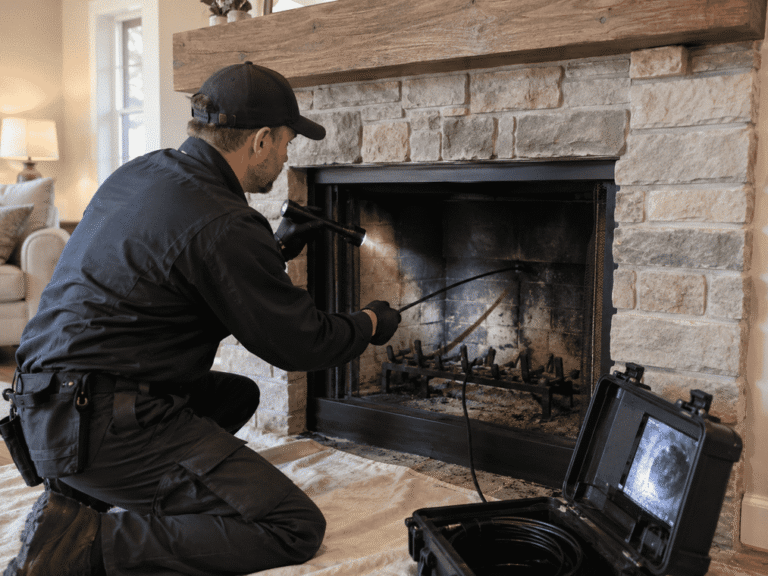
Chimney sweeping removes soot, creosote, ash, and debris that can build up inside the flue. A chimney inspection checks for problems like blockages, cracked liners, damaged masonry, draft issues, moisture damage, and worn fireplace components.
Together, sweeping and inspections help keep your fireplace clean, safe, and ready for regular use. Piedmont HVAC, Plumbing and Chimney helps homeowners in Shelby and nearby North Carolina communities prepare their chimneys before fireplace season begins.
Is Your Chimney Ready and Safe to Use This Season?
Your chimney is ready for fireplace season when the flue is clear, creosote buildup has been removed, the damper works properly, the chimney cap is in place, the flue liner is not damaged, and there are no signs of blockage, smoke backup, water damage, or unsafe draft. Chimney sweeping removes soot, creosote, ash, and debris. A chimney inspection checks for damage, deterioration, blockages, venting problems, and other safety concerns before regular fireplace use begins.
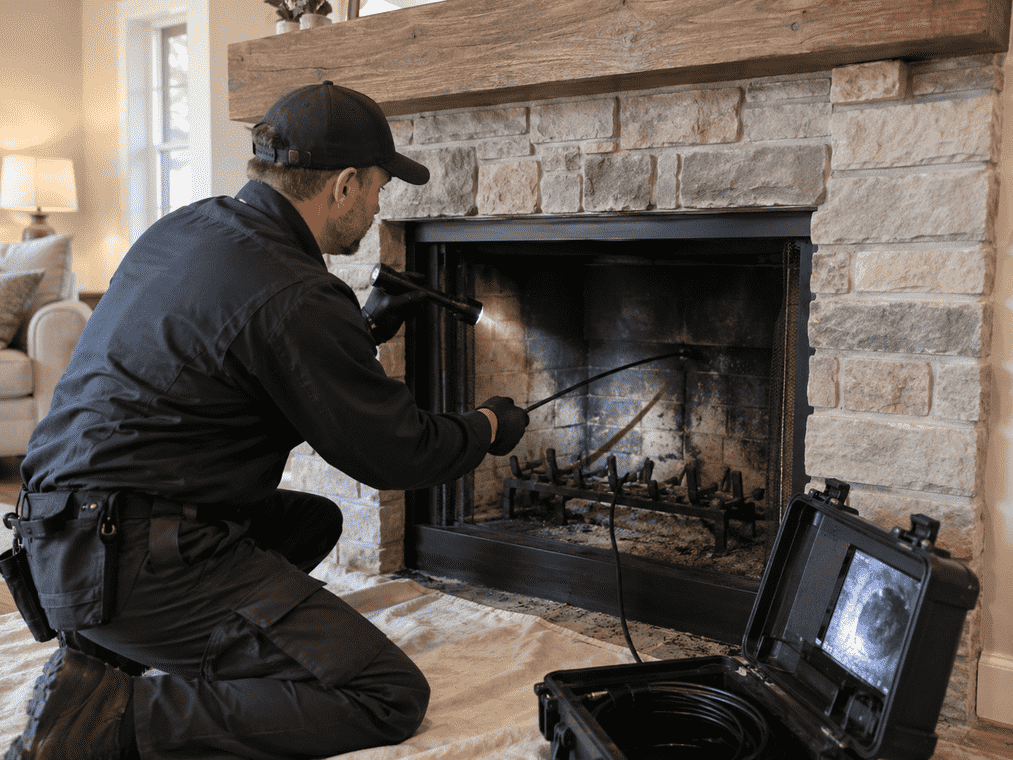
Chimney Sweeping and Chimney Inspections Are Not the Same Thing
Chimney sweeping and chimney inspections work together, but they are not the same service.
- Chimney sweeping removes soot, creosote, ash, and debris from the flue, smoke chamber, damper area, and fireplace system. This helps improve airflow and reduce combustible buildup inside the chimney.
- Chimney inspection checks the condition of the chimney and fireplace. A technician looks for damage, blockages, draft problems, cracked flue liners, masonry issues, moisture damage, and worn components.
The simple difference is this:
- Sweeping asks: Is the chimney clean enough to use?
- Inspection asks: Is the chimney safe and ready to use?
Before fireplace season starts, both matter. A chimney should be clean, clear, and properly checked before regular fires begin.
Why Creosote Buildup Is a Serious Fireplace Safety Issue
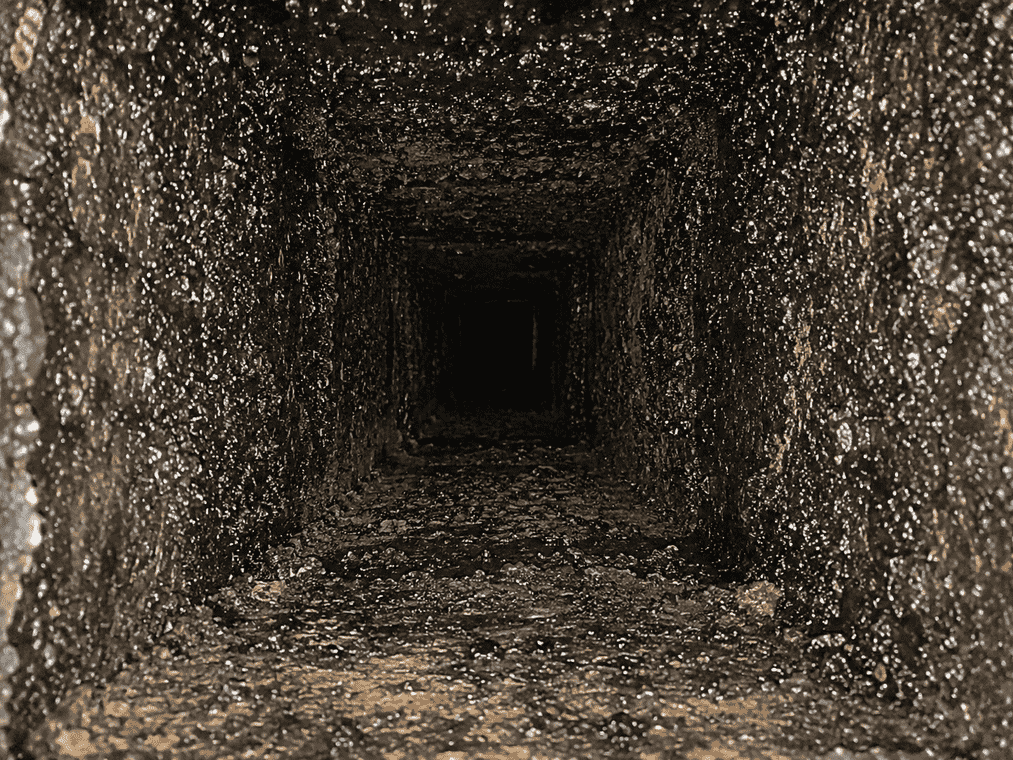
Creosote forms when wood burns and smoke moves through the chimney. As the smoke cools, it can leave behind sticky, flaky, crusty, or glazed buildup inside the flue.
The problem is that creosote can catch fire if too much collects inside the chimney. That is one of the main reasons regular chimney sweeping matters before fireplace season.
Creosote buildup can get worse when you:
- Burn damp or unseasoned wood
- Limit airflow too much
- Keep the damper partly closed
- Burn low-temperature, smoky fires
- Overload the fireplace or wood stove
- Use the fireplace often without cleaning
Do not wait until smoke backs up into the room or heavy black buildup is visible. If your chimney has soot, creosote, poor draft, or strong fireplace odors, schedule a professional chimney sweep before using it again.
A Dirty Chimney Can Affect Draft and Ventilation
A fireplace needs clear airflow to work safely. Draft is what pulls smoke, heat, and combustion gases up through the flue and out of the home. When the chimney is blocked by soot, creosote, leaves, nests, or damaged liner pieces, smoke may not vent properly.
Poor chimney draft can lead to:
- Smoke backing into the room
- Strong fireplace odors
- Hard-to-start fires
- Fires that burn weakly
- Soot stains around the fireplace
- Cold air coming down the chimney
- Moisture and odor problems
- Carbon monoxide concerns
A professional chimney sweep can remove buildup that blocks airflow. A chimney inspection can also find the cause of draft problems, such as a damaged damper, blocked chimney cap, flue obstruction, liner damage, or pressure issue inside the home.
If smoke is not moving out the way it should, the fireplace should be checked before regular use.
Carbon Monoxide Risk Is Another Reason to Schedule Early
Carbon monoxide safety should always be part of fireplace season prep. You cannot see or smell carbon monoxide, and a blocked or damaged chimney can keep smoke and combustion gases from venting properly.
Before using your fireplace regularly, make sure to:
- Test your carbon monoxide alarms
- Replace weak or expired batteries
- Keep alarms near sleeping areas
- Check for smoke backing into the room
- Watch for strong odors or poor draft
- Schedule service if the chimney looks blocked or damaged
A chimney inspection can help find venting problems, blockages, damaged flue liners, or other issues before they create a safety concern inside your home.
What Can Build Up or Block a Chimney?
Even if you did not use your fireplace much last year, your chimney can still collect debris or develop damage. It sits exposed to weather, moisture, wind, leaves, animals, and temperature changes all year.
Common chimney problems before fireplace season include:
- Creosote buildup inside the flue
- Soot in the smoke chamber
- Leaves, twigs, or nesting material
- Bird or animal debris
- Damaged or missing chimney cap
- Stuck or rusted damper
- Cracked flue tiles
- Deteriorated mortar joints
- Spalling brick
- Chimney crown cracks
- Water stains near the fireplace
- Loose flashing
- Smoke chamber damage
A chimney is more than a decorative part of the home. It is an active venting system that helps move smoke, heat, and combustion gases outside. If it is blocked, damaged, or dirty, it should be cleaned and inspected before you use the fireplace again.
Why Timing Matters Before Fireplace Season
Late summer and early fall are the best times to schedule chimney sweeping and inspections. Once cold weather arrives, more homeowners start using their fireplaces, and chimney service appointments can fill up quickly.
Scheduling early gives you time to:
- Remove creosote before regular use
- Find damaged chimney parts before the first fire
- Repair the cap, crown, liner, damper, or flashing
- Fix smoke, draft, or odor problems
- Clear out leaves, nests, and debris
- Get the fireplace ready before holidays and cold nights
- Avoid rushed repair decisions
If your chimney needs work, it is better to find out before fireplace season begins. A clean, inspected chimney helps your fireplace stay safer, clearer, and ready when you want to use it.
What Happens During a Professional Chimney Sweep?
A professional chimney sweep does more than clean the visible firebox. The goal is to clear the chimney system so smoke, heat, and combustion gases can vent properly.
During a chimney sweep, the technician may:
- Protect the area around the fireplace
- Check the firebox and damper
- Brush the chimney flue
- Remove soot and creosote buildup
- Clean the smoke chamber and smoke shelf
- Clear loose debris
- Use a vacuum to help control soot and dust
- Look for blockages or heavy buildup
- Note any damage that may need inspection or repair
A good chimney sweep helps reduce buildup inside the flue, improve draft, and prepare the fireplace for safer seasonal use.
What Happens During a Chimney Inspection?
A chimney inspection looks at the full fireplace and chimney system, not just the visible firebox. The goal is to check whether the chimney is clean, clear, and in safe working condition before regular use.
During a standard chimney inspection, a technician may check:
- Firebox condition
- Damper operation
- Smoke chamber and smoke shelf
- Flue liner condition
- Visible creosote buildup
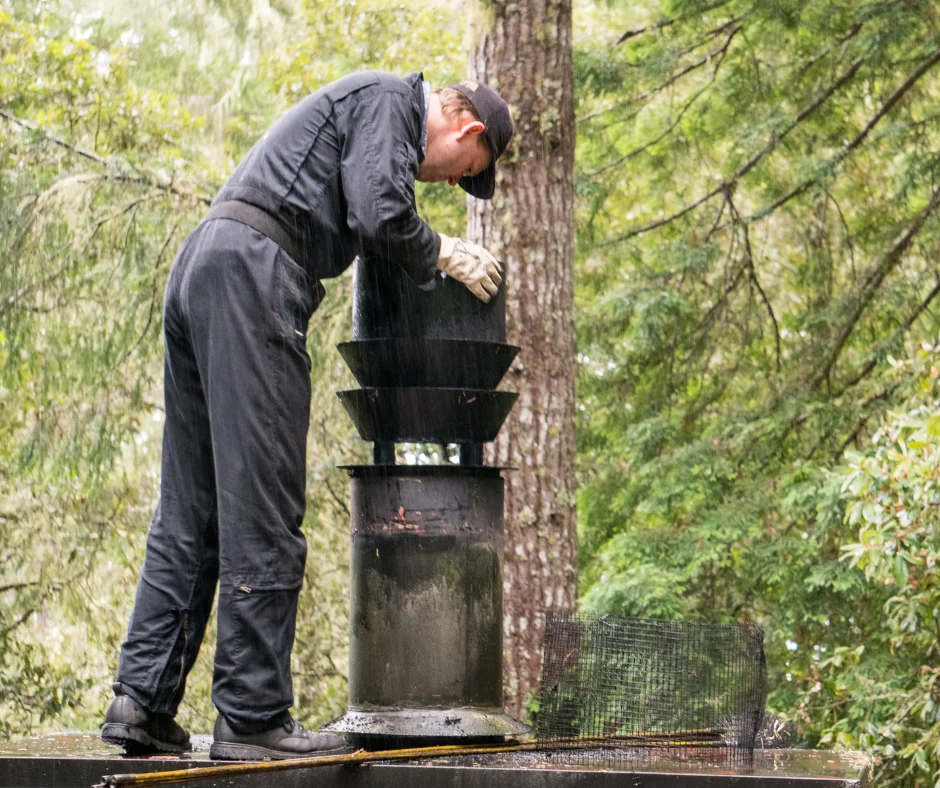
- Chimney cap and crown
- Exterior masonry and mortar joints
- Flashing area
- Draft or airflow concerns
- Signs of water damage
- Obstructions or debris
- Evidence of past chimney fire damage
A basic annual inspection is usually enough when the chimney has been used normally and no major changes have been made. A more detailed inspection may be needed after a home sale, chimney fire, appliance change, major storm damage, or suspected hidden damage.
Sweeping removes buildup. Inspection finds damage, blockage, wear, or safety concerns that cleaning alone may not catch.
Fireplace Cleaning Logs Do Not Replace Professional Service
Chimney cleaning logs may help loosen some buildup, but they do not replace a professional chimney sweep or inspection. They cannot fully remove creosote, clear debris, or confirm the chimney is safe to use.
A cleaning log cannot:
- Inspect the flue liner
- Confirm the damper works properly
- Find cracked masonry or damaged mortar
- Remove animal nests or leaves
- Check the chimney cap and crown
- Diagnose smoke backup or poor draft
- Find signs of past chimney fire damage
- Confirm the fireplace is ready for regular use
For a fireplace that is truly clean, safe, and ready, schedule professional chimney sweeping and inspection before fireplace season starts.
Signs Your Chimney Needs Service Before You Use It
You do not have to be a chimney expert to know when something looks off. Before lighting the first fire of the season, check for warning signs around the fireplace and chimney.
Schedule chimney service if you notice:
- Smoke entering the room
- Strong smoky, musty, or sour odors
- Black, tar-like buildup
- Soot falling into the firebox
- Birds, animals, leaves, or nesting material
- A damper that will not open or close
- White staining on exterior brick
- Cracked mortar or damaged masonry
- Water stains near the fireplace
- Rust on the damper or firebox
- Pieces of flue tile in the fireplace
- Poor draft or hard-to-start fires
If your fireplace smells strong, spills smoke, shows heavy buildup, or has visible damage, do not use it yet. Have the chimney swept and inspected first.
Why Chimney Care Matters for Gas Fireplaces Too
Gas fireplaces burn cleaner than wood fireplaces, but they still need regular care. The system still relies on safe venting, clean components, steady ignition, and a clear flue or vent path.
Gas fireplace problems can include:
- Blocked vents
- Dirty burner components
- Pilot or ignition issues
- Rust or corrosion
- Moisture problems
- Damaged logs or media
- Draft or venting issues
- Carbon monoxide concerns
Before regular seasonal use, your gas fireplace should be checked to make sure it lights properly, vents safely, and runs the way it should. Cleaner flames, proper airflow, and safe operation matter just as much as how the fireplace looks.
Why Both Services Work Better Together
A chimney can be dirty without being damaged. It can also be damaged even if it does not look dirty from the firebox. That is why sweeping and inspections should not be treated like one-or-the-other services.
For example:
- A chimney sweep may remove creosote but also notice cracked flue tile.
- An inspection may find a missing chimney cap that allows leaves and animals into the flue.
- A fireplace may look clean but still have draft issues or water damage.
- A chimney may vent poorly because of blockage, deterioration, or pressure problems inside the home.
When both services are done before fireplace season, homeowners get a clearer picture of the chimney’s condition. You know what was cleaned, what was checked, and whether anything needs repair before you start using the fireplace regularly.
Why Choose Piedmont HVAC, Plumbing and Chimney?
Piedmont HVAC, Plumbing and Chimney helps homeowners get their fireplaces and chimneys ready before regular seasonal use. Our team checks for buildup, blockage, draft issues, damaged components, and other problems that can affect fireplace safety and performance.
Homeowners call us for:
- Chimney sweeping
- Chimney inspections
- Fireplace safety checks
- Chimney cleaning
- Creosote removal
- Smoke and draft concerns
- Chimney cap and crown issues
- Flue and venting concerns
- Fireplace season preparation
If you are in Shelby, Kings Mountain, Gastonia, Forest City, Cherryville, Rutherfordton, Hickory, Morganton, or a nearby North Carolina community, call Piedmont HVAC, Plumbing and Chimney to schedule chimney service before fireplace season gets busy.
Final Thoughts
Your fireplace should be warm, comfortable, and easy to enjoy. But before the first fire of the season, it is worth asking one important question: is your chimney actually ready and safe to use?
Chimney sweeping removes soot, creosote, ash, and debris. Chimney inspections check for damage, blockages, deterioration, draft problems, moisture issues, and other safety concerns. Together, they help prepare your fireplace and chimney for regular seasonal use.
Do not wait until smoke backs up, odors get stronger, or cold weather arrives. Call Piedmont HVAC, Plumbing and Chimney today to schedule chimney sweeping and inspection service before fireplace season begins.
Frequently Asked Questions
A chimney sweep removes soot, creosote, ash, and debris from the chimney system. A chimney inspection checks the fireplace, flue liner, damper, chimney cap, crown, masonry, and venting path for damage, blockage, deterioration, or safety concerns.
Many homeowners need both before fireplace season. Sweeping helps clear the flue, while inspection checks whether the chimney is safe and in good condition. Cleaning alone may not catch cracks, water damage, draft issues, or worn components.
Late summer or early fall is a good time to schedule chimney sweeping and inspection. This gives you time to clean the chimney, find problems, complete repairs, and avoid the busy season when more homeowners start using their fireplaces.
Smoke may back into the room because of poor draft, a blocked flue, creosote buildup, a closed or damaged damper, a clogged chimney cap, negative pressure in the home, or chimney design issues. Stop using the fireplace and schedule chimney service.
Yes. A fireplace can look clean from the room while hidden chimney problems are still present. Cracked flue liners, masonry deterioration, water damage, animal nests, loose flashing, and draft problems may not be visible without a proper inspection.
Yes. Gas fireplaces still need safe venting, clean components, and proper operation. Blocked vents, dirty burners, pilot issues, corrosion, damaged logs, moisture problems, and carbon monoxide concerns can still affect gas fireplace safety.
Piedmont HVAC, Plumbing and Chimney provides chimney sweeping and chimney inspections near Shelby, NC and surrounding communities. Call today to schedule service and get your fireplace clean, safe, and ready before fireplace season.