Most homeowners never think about their chimney cap until something goes wrong. Then it shows up fast. Water dripping into the fireplace. Strange animal noises. Smoke pushing back into the room. Rust stains running down the chimney.
In many cases, the problem is not the chimney itself. It’s the cap at the top.
At Piedmont HVAC, Plumbing and Chimney, we inspect chimneys across North Carolina and consistently find the same issues. Chimney cap problems are one of the most common causes of water damage, poor draft, and costly repairs.
This guide breaks down the most common chimney cap problems found during inspections, what causes them, and how to fix them before they get expensive.
Most Common Chimney Cap Problems
The most common chimney cap problems include rust and corrosion, storm damage, debris blockages, improper installation, animal damage, and missing caps. These issues allow water, pests, and smoke problems to develop quickly.
Why Chimney Caps Fail in the First Place
Chimney caps are exposed to everything:
- Rain and moisture
- Heat from the flue
- Wind and storms
- Animals trying to get inside
Over time, even a good cap can wear down. Lower-quality materials fail much faster, especially in humid climates like North Carolina.
Common Chimney Cap Problems Found During Inspections
1. Rust and Corrosion
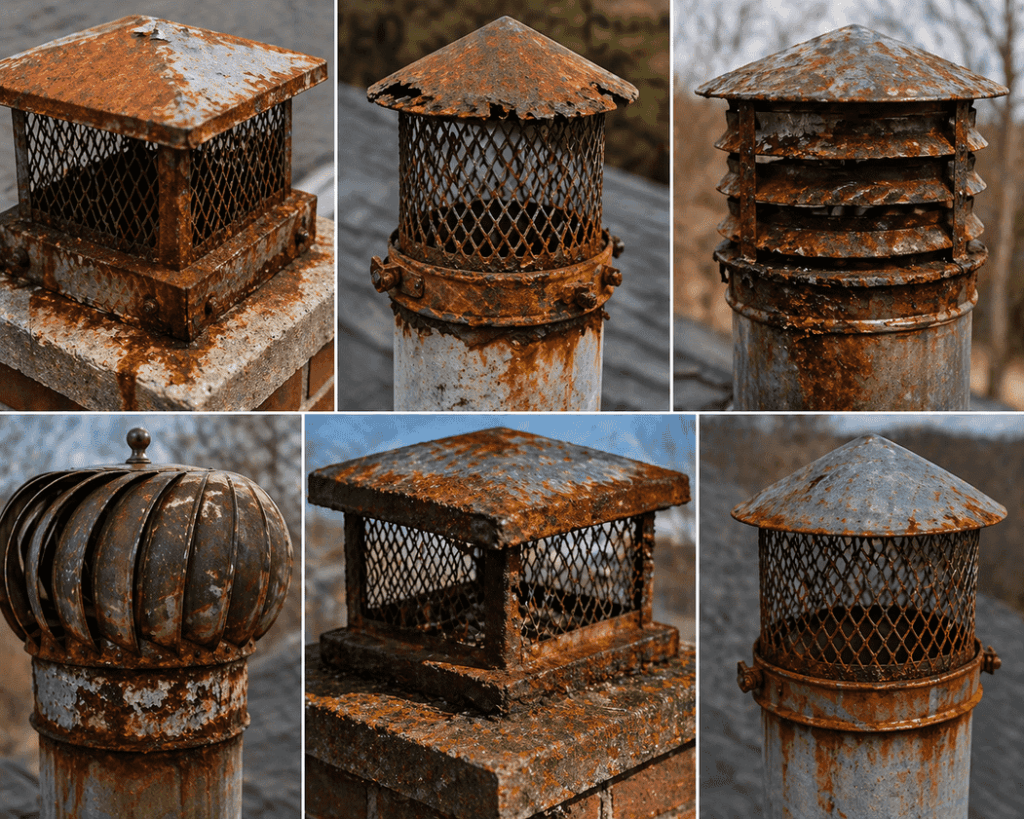
Rust is the most common issue we see.
Galvanized chimney caps often begin to rust within a few years. Once the protective coating wears off, the metal weakens and eventually develops holes.
Signs to watch for:
- Rust streaks on the chimney exterior
- Flaking or thinning metal
- Orange or brown staining near the cap
What this leads to: Rust creates weak points in the chimney cap, allowing moisture to get inside and spread damage to the flue, damper, and surrounding masonry.
Best fix: Replace with a stainless steel chimney cap for long-term durability.
2. Storm Damage and Loose Caps
High winds, heavy rain, and falling branches can damage or dislodge chimney caps.
Common issues:
- Bent or dented cap tops
- Loose or missing screws
- Caps blown off completely
What this leads to: Once a chimney cap is damaged or loosened, it no longer provides full protection. Gaps form around the flue, allowing rain, debris, and outside air to enter the chimney system.
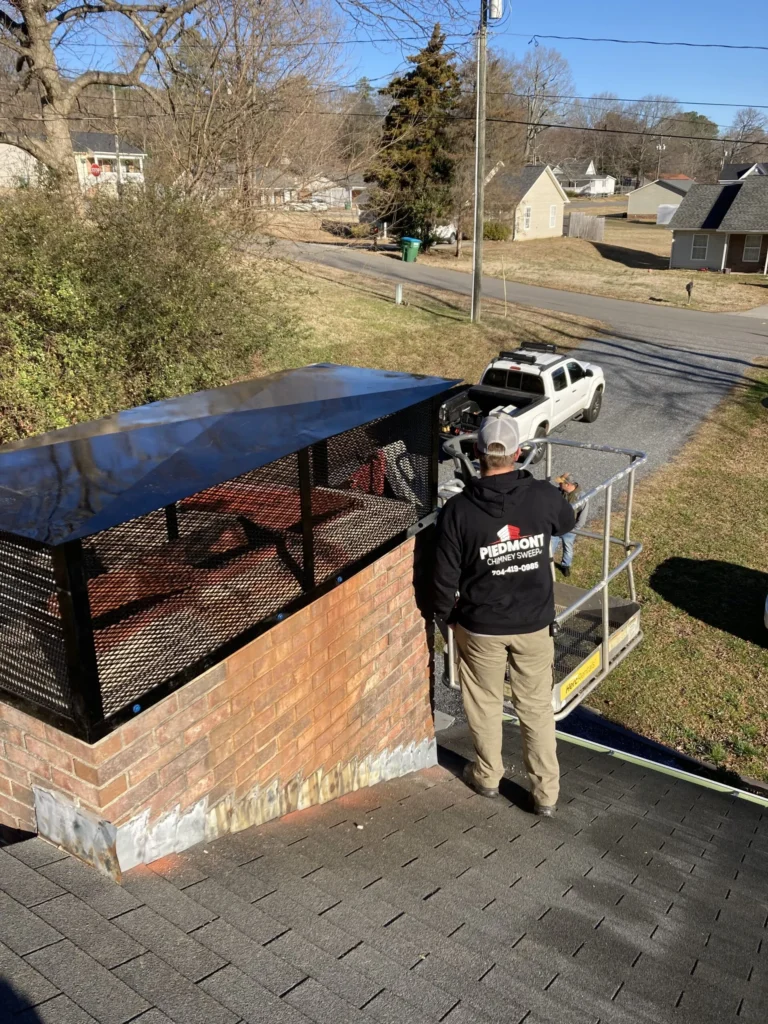
What we typically find during inspections: Caps that appear intact from the ground are often shifted, partially detached, or no longer sealed properly. These small issues are a common source of hidden water intrusion and early chimney deterioration.
3. Debris and Blocked Mesh
Leaves, twigs, and soot can clog the mesh screen over time.
Signs:
- Smoke not drafting properly
- Fireplace smells musty or smoky
- Debris falling into the firebox
What this leads to: A clogged mesh restricts airflow through the flue, which disrupts proper ventilation and causes smoke, gases, and buildup to remain inside the chimney system.
Best solution: Schedule professional chimney cleaning and chimney cap inspection at least once a year to remove debris, restore airflow, and keep the cap functioning properly.
4. Improper Installation or Sizing
Even a high-quality chimney cap can fail if it is installed incorrectly.
Common mistakes:
- Cap too small or too large
- Not secured properly
- Missing overhang or drip edge
What this leads to: An improperly fitted chimney cap cannot create a proper seal around the flue. This allows outside elements to bypass the cap and reduces its ability to protect the chimney system.
What we often find during inspections: Caps that appear fine at a glance are frequently misaligned, loosely mounted, or incorrectly sized, which leads to ongoing performance issues and hidden moisture problems.
5. Animal Damage and Entry
Chimneys are attractive to animals looking for shelter.
Common intruders:
- Birds
- Squirrels
- Raccoons
Signs:
- Scratching or movement sounds
- Nesting materials in the fireplace
- Strong or unusual odors
What this leads to: Once animals enter the chimney, they often build nests or become trapped inside the flue, which disrupts airflow and can damage both the chimney cap and internal components.
Best prevention:
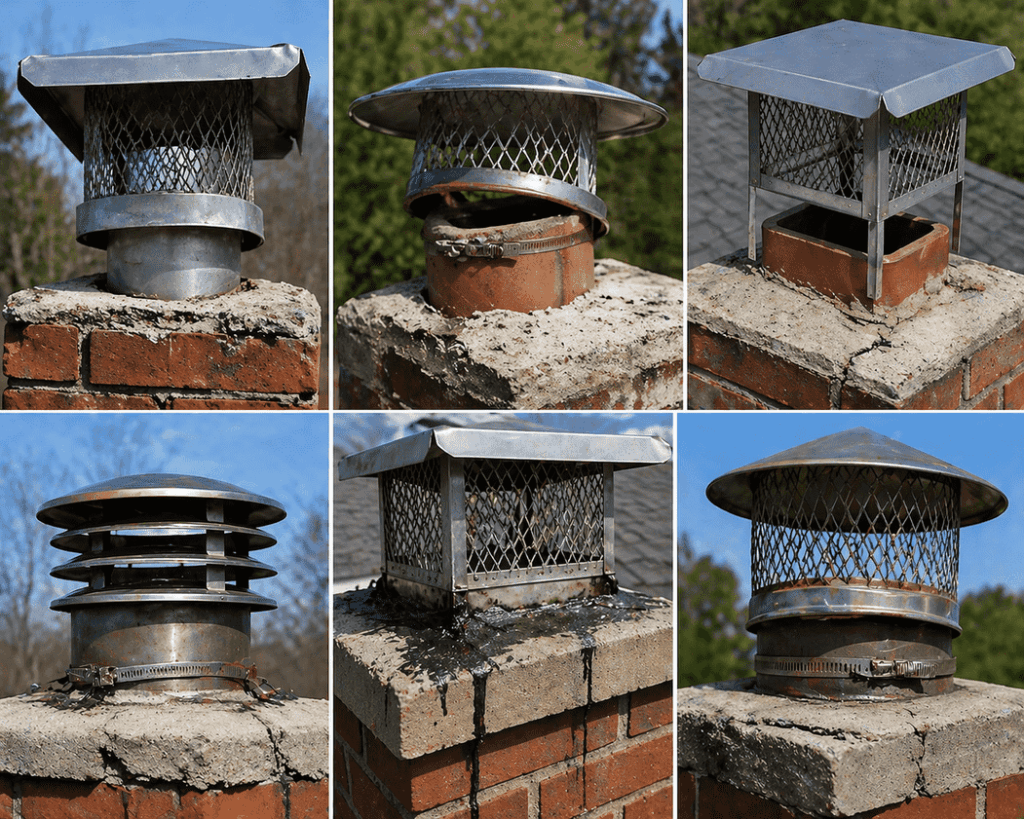
- Install a heavy-duty stainless steel chimney cap with tight mesh spacing
- Choose caps with reinforced or welded mesh that resists bending and chewing
- Ensure proper fit and secure installation to eliminate gaps
- Schedule annual chimney inspections to catch early signs of intrusion
- Trim nearby tree branches to reduce easy access to the roof
- Replace damaged or rusted caps immediately before animals can enter
6. Missing Chimney Cap
This is more common than you think.
Caps can blow off during storms or be removed and never replaced.
What happens next:
- Rain pours directly into the flue
- Animals enter freely
- Draft becomes unstable
Impact: A missing chimney cap can lead to major water damage in a short time.
7. Poor Material Quality
Not all chimney caps are built the same.
Low-quality caps:
- Rust quickly
- Bend easily
- Fail within a few years
High-quality caps:
- Stainless steel lasts 15 to 30 years
- Copper can last over 50 years
Takeaway: Cheap caps usually cost more over time due to repeated replacements.
8. Loose Components and Hidden Damage
Some issues are not visible from the ground.
During inspections, we often find:
- Loose screws
- Cracked welds
- Warped metal tops
- Damaged mesh
Why it matters: Small issues turn into major failures if ignored.
Common Chimney Cap Problems Overview
Problem | What Happens | Risk Level |
Rust and Corrosion | Metal weakens and leaks | High |
Storm Damage | Cap bends or blows off | High |
Blocked Mesh | Poor airflow and smoke issues | High |
Improper Installation | Gaps allow leaks | Medium |
Animal Damage | Mesh breaks, nesting occurs | Medium |
Missing Cap | Water and animals enter | Severe |
Signs Your Chimney Cap Needs Attention
You do not need to climb on your roof to spot problems.
Look for:
- Rust stains on the chimney
- Water inside the fireplace
- Smoke backing into the room
- Debris or animal activity
- Visible damage from the ground
- Strong or musty odors coming from the fireplace
- Dripping sounds inside the chimney during rain
- Pieces of metal or rust flakes in the firebox
- White staining or discoloration on the chimney exterior
- Draft issues when starting a fire
- Unusual noises like scratching, chirping, or movement
- Cap appears tilted, missing, or out of place
- Increased creosote buildup
- Cold air coming down the chimney
- Fireplace damper rusting or sticking
If you notice any of these, schedule a chimney inspection.
Why Professional Chimney Inspections Are Important
Most chimney cap problems are not visible from the ground.
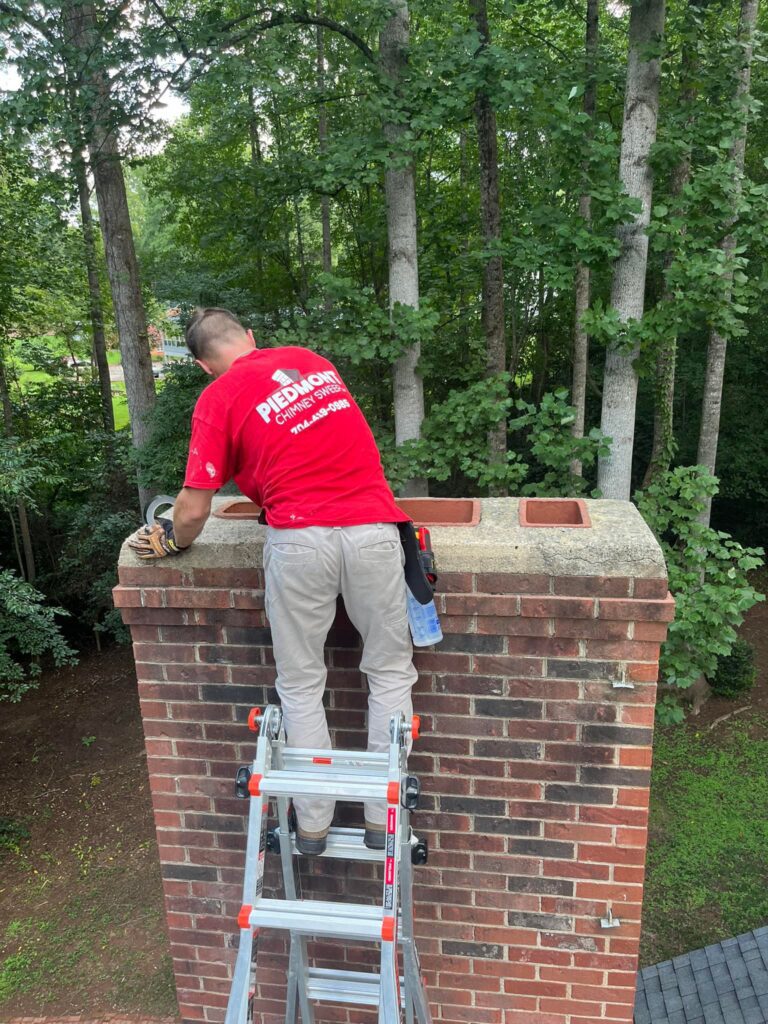
A professional chimney inspection includes:
- Checking cap condition and fit
- Inspecting mesh and airflow
- Identifying hidden damage
- Ensuring proper installation
At Piedmont HVAC, Plumbing and Chimney, we find that many major chimney repairs could have been avoided with routine inspections.
How to Prevent Chimney Cap Problems
- Choose stainless steel for durability
- Schedule annual chimney inspections
- Check your chimney after storms
- Keep trees trimmed away from the roof
- Replace damaged caps immediately
- Ensure proper chimney cap sizing and fit
- Use caps with heavy-duty, welded mesh
- Install caps with secure mounting hardware
- Clean debris from the roof and chimney area
- Avoid DIY installations without proper measurements
- Upgrade old or rusted galvanized caps
- Seal and maintain the chimney crown
- Install a chimney cap with a proper overhang and drip edge
- Address draft issues early
- Keep gutters clean to reduce debris buildup
- Monitor for early signs of rust or corrosion
Preventive maintenance is far less expensive than repairing water damage or chimney deterioration.
Final Takeaway
Most chimney problems start small, and many of them begin at the cap.
Rust, damage, poor installation, and missing caps are common issues that can quickly lead to water damage, airflow problems, and safety risks.
The good news is that chimney cap problems are easy to fix when caught early.
If you suspect your chimney cap has an issue, do not wait.
Piedmont HVAC, Plumbing and Chimney provides professional chimney inspections, chimney cap repair, and chimney cap installation across North Carolina. Schedule your inspection today and protect your home before small problems turn into costly repairs.
Frequently Asked Questions
Rust, storm damage, clogged mesh, improper installation, animal damage, and missing caps are the most common issues found during chimney inspections.
Yes. Galvanized caps may need replacement every 5 to 10 years, while stainless steel and copper caps last much longer.
Yes. A clean and properly installed cap improves airflow, while a blocked or damaged cap restricts draft.
Yes. Stainless steel offers the best balance of durability, cost, and resistance to corrosion.
You risk water damage, animal intrusion, poor draft, and expensive chimney repairs.
You can check for visible signs from the ground, but a professional inspection is needed for a full assessment.