Installing a water filter sounds straightforward until you start comparing systems, figuring out micron ratings, and deciding where everything should go. Plenty of homeowners jump in thinking it’s a quick project, only to end up with leaks, low pressure, or a filter that stops working within weeks. The truth is that some systems are simple DIY jobs, while others can cause headaches if they aren’t installed correctly. This guide breaks down when you can handle the installation yourself and when calling a professional will save you time, water quality, and repair costs.
Why the Installation Method You Choose Is Important
A water filter only works as well as its installation. When a system is installed incorrectly, everything from water quality to plumbing performance can suffer. A poor installation can lead to:
- Leaks around fittings, housings, or connectors
- Low water pressure throughout the home
- Sediment or contaminants slipping through
- Filters clogging much faster than expected
- Incorrect micron ratings reducing filtration effectiveness
- Cross-threaded housings or damaged plumbing
- Early failure of valves, fittings, or cartridges
- Reduced lifespan of reverse osmosis systems or whole-house filters
Choosing the right installation approach helps prevent avoidable repairs, protects appliances, and ensures your filtration system delivers consistent, clean water. Whether you choose DIY or professional installation, the goal is to set up the system so it works safely, efficiently, and at the correct flow rate for your home.
What You Can Install Yourself (DIY-Friendly Options)
Filter Type | Installation Difficulty | How It Installs | Best For |
Refrigerator Water Filter | Very easy | Twist-in cartridge; no plumbing work | Better-tasting fridge water and ice |
Faucet-Mounted Filter | Very easy | Attaches directly to faucet with adapter | Apartments, renters, small households |
Countertop Water Filter | Easy | Connects to faucet using a simple adapter | Drinking water without modifying plumbing |
Basic Under-Sink Filter | Moderate | Uses compression fittings or adapters; no pipe cutting | Clean drinking water at one sink |
These DIY options work well for homeowners who want simple drinking-water filtration without whole-house treatment or advanced contaminant removal.
When You Should Avoid DIY Installation
Certain water filtration systems are too complex, too high-pressure, or too sensitive to risk a DIY installation. These require a professional to ensure safe, reliable operation.
1. Whole-House Filtration Systems
Whole-house filters require cutting into the main water line, installing shutoff valves, and ensuring correct placement. Incorrect installation causes:
- Major leaks
- Low pressure throughout the home
- Water hammer
- Loose fittings
- Mold issues from slow leaks
Professional installation ensures the system handles household water demand correctly.
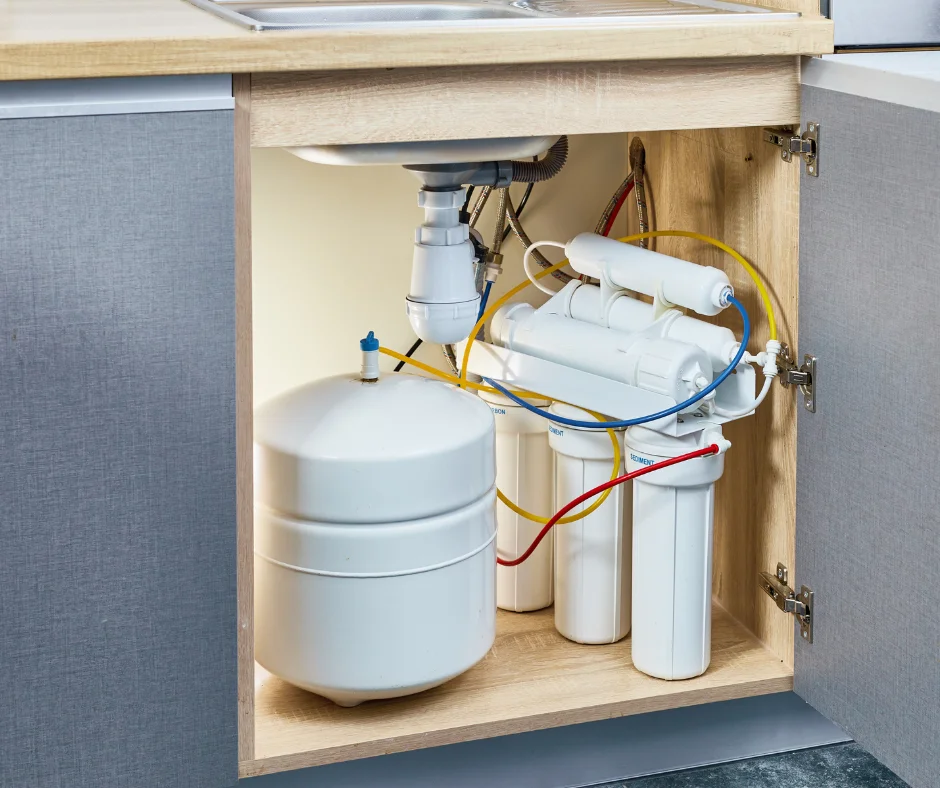
2. Reverse Osmosis (RO) Systems
RO systems include:
- Pre-filters
- Membranes
- Post-filters
- Tanks
- Check valves
- Tubing
- Fittings
- Drain saddle connections
A wrong connection can cause slow flow, water waste, or membrane failure.
3. UV Purification Systems
UV systems require proper sizing, correct flow rate, and safe electrical setup. If installed incorrectly, the UV lamp may not disinfect water properly.
4. Water Softeners
Incorrect connections or settings can prevent regeneration, damage resin, or cause internal leaks.
5. Iron, Sulfur, or Manganese Filtration Systems
Advanced media such as KDF, catalytic carbon, or oxidation systems require correct plumbing, bypass valves, and backwash settings. DIY installation for these systems often leads to recurring issues, unnecessary maintenance, and poor water quality.
Benefits of Calling a Professional Plumber
Professional installation provides several advantages that go beyond connecting pipes.
Correct System Sizing
A professional determines:
- The right micron rating
- Correct flow rate
- Proper pressure requirements
- System size for household demand
- Best media type for contaminants
Incorrect sizing is one of the most common DIY mistakes.
Leak-Free Installation
A filtration system is only as reliable as its connections. High-pressure plumbing lines need accurate sealing, correct thread alignment, and secure fittings to prevent leaks. Even a small drip can lead to mold growth, water damage, or pressure problems throughout the home.
A professional installer checks:
- The condition of O-rings and seals
- Correct tightening of compression fittings
- Proper thread tape application
- Alignment of filter housings
- Secure support for pipes and mounting brackets
- Correct flow direction through the filter
These details help prevent slow leaks, pressure loss, and premature wear on the filtration system. Ensuring leak-free installation also protects appliances, plumbing fixtures, and the water filter itself from strain or failure.
Protection for Appliances and Plumbing
Filters protect:
- Dishwashers
- Water heaters
- Washing machines
- Faucets
- Showerheads
A poorly installed filter can actually damage these appliances.
Better Performance and Longer Filter Life
A correctly installed water filtration system runs at the right pressure and flow rate, which helps each filter stage work the way it is designed to. When water moves too fast, contaminants may slip through. When flow is too slow, filters clog sooner than they should.
Proper installation keeps sediment filters, carbon filters, and reverse osmosis systems performing efficiently, and it allows each cartridge to reach its full lifespan. This helps maintain consistent water quality and reduces unnecessary replacement costs.
Warranty Protection
Many water filtration manufacturers require professional installation to keep the warranty valid. If a system is installed incorrectly or damaged during DIY installation, the warranty may not cover replacement parts or labor.
A licensed installer ensures the system meets manufacturer specs, uses approved components, and is set up safely. This protects you from unexpected expenses and provides long-term peace of mind.
Common Problems Homeowners Face After DIY Installations
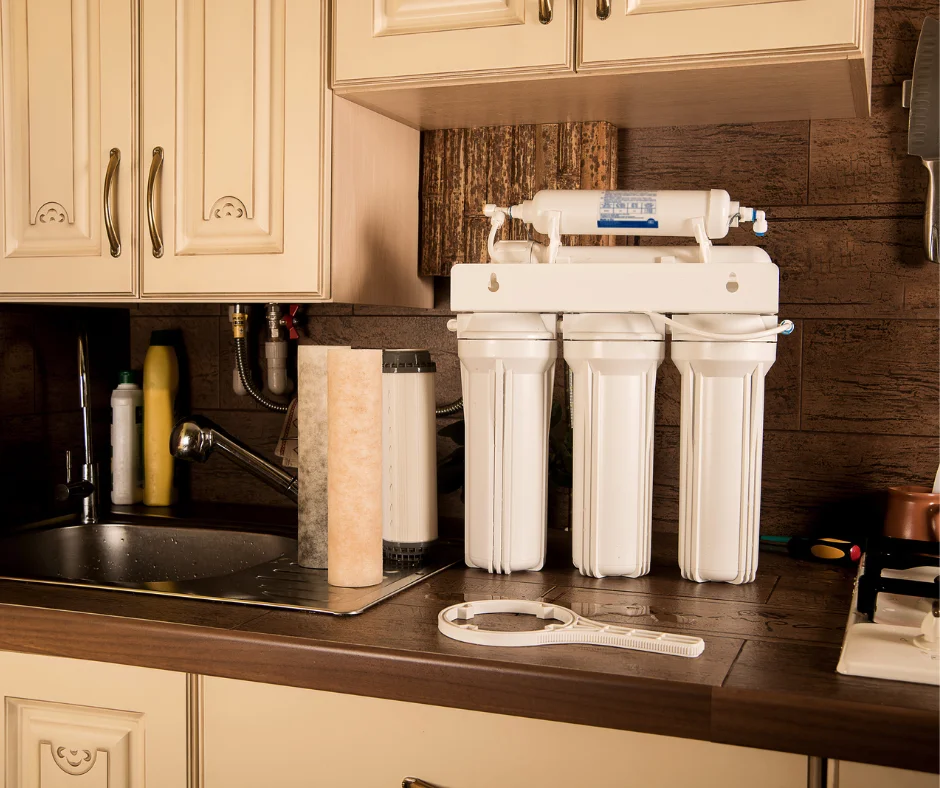
DIY installations often lead to predictable issues. These problems can waste water, reduce performance, and shorten filter life.
- Wrong Micron Rating: Choosing a micron rating too small causes pressure loss, while choosing one too large allows sediment through.
- Leaks in Compression Fittings: Improper tightening leads to slow leaks or bursts over time.
- Incorrect Cartridge Orientation: Filters installed upside down cannot function correctly.
- Low Flow From Faucets: Commonly caused by incorrect tubing size or clogged pre-filters.
- Sediment Bypass: Occurs when a filter is not seated properly or when the O-rings are damaged.
- High TDS in RO Water: This happens when the membrane is not flushed, seated, or connected correctly.
- Mold Growth Around Housings: Caused by unnoticed slow leaks from poor installation.
- Water Hammer and Noise: Improper valve placement and unsupported plumbing lines create pipe vibration.
How to Decide: DIY or Professional?
Use this simple checklist:
DIY is fine when:
- No cutting of plumbing lines is required
- System uses basic adapters or compression fittings
- Flow demands are low
- System is small and localized
- Manufacturer instructions are straightforward
Call a pro when:
- System connects to the main water line
- You have well water
- You need iron, sulfur, or manganese treatment
- You are installing a whole-house filter
- You are installing an RO, UV, or softener
- You are unsure how to size or configure the system
Why Water Quality Affects Installation Difficulty
Water quality plays a major role in how difficult a filtration system is to install. Different water sources contain different contaminants, and each type requires specific equipment, media, and flow settings. The more complex the water conditions, the more precise the installation needs to be.
City Water
Municipal water typically includes:
- Chlorine or chloramines
- Trace sediment
- Pipe scale from older plumbing lines
- Small amounts of dissolved metals
City water is usually easier to treat, but installation still requires the correct carbon filter type, the right micron rating, and proper flow direction to prevent pressure drops. Chlorinated water also demands accurate placement of carbon filters to protect downstream systems like reverse osmosis units.
Well Water
Private well water often contains:
- Iron
- Manganese
- Sulfur
- Hardness minerals
- Fine sediment or silt
- Occasional bacteria
- Elevated TDS levels
These contaminants require more advanced equipment, such as sediment pre-filters, iron-reduction or catalytic carbon media, and sometimes UV disinfection. Correct installation is important because these systems depend on:
- Proper pre-filtration
- Correct media type and bed depth
- Accurate backwash settings
- Correct flow rate based on well output
DIY errors are common with well-water systems because they are more sensitive to incorrect sizing, improper connections, and poor flow configuration. A mistake can lead to clogged filters, poor performance, or early system failure.
Maintenance After Installation
After the system is installed, proper maintenance ensures it keeps working correctly.
Maintenance includes:
- Changing filters on schedule
- Inspecting housings for cracks
- Flushing cartridges
- Checking pressure regularly
- Testing water quality yearly
- Sanitizing RO systems
- Replacing UV bulbs annually
Professional maintenance can help catch issues before they become expensive repairs.
How Piedmont HVAC, Plumbing and Chimney Helps
Piedmont HVAC, Plumbing and Chimney provides professional installation and service for a wide range of water filtration systems. Our team handles everything from simple drinking-water filters to full whole-home treatment systems, ensuring each setup is sized correctly, installed safely, and optimized for your home’s water quality.
We install and service:
- Whole-house water filtration systems
- Reverse osmosis systems for purified drinking water
- UV purification units for disinfection
- Water softeners for hardness reduction
- Iron and sulfur filtration systems
- Under-sink filters
- Sediment and carbon filter systems
We also provide system troubleshooting, repairs, maintenance, media replacement, and full system upgrades. Our technicians understand how city water and well-water systems behave, how contaminants affect filter performance, and how to configure filtration systems for long-term reliability.
Homeowners throughout the Shelby region and surrounding North Carolina areas rely on Piedmont for clean, safe, consistent water. Whether you need a simple drinking-water filter installed or a complete whole-home water treatment solution, our team ensures your system delivers dependable performance and high-quality water every day.
Frequently Asked Questions
You can install simple filters yourself, but whole-house filters, reverse osmosis systems, UV units, and softeners should be installed by a professional to avoid leaks, low pressure, and performance issues.
Refrigerator filters, faucet-mounted filters, countertop units, and some basic under-sink filters are DIY-friendly because they attach with simple adapters and do not require cutting plumbing lines.
Professional installation is recommended when the system connects to the main line, includes multiple stages, uses a drain connection, requires electrical work, or needs precise flow rates such as RO or UV systems.
Yes. It requires cutting into the main supply line, sealing high-pressure fittings, installing shutoff valves, and ensuring proper flow direction. Mistakes can cause leaks or pressure problems throughout the home.
RO systems have multiple stages, small fittings, pressure-sensitive components, and a drain connection. Incorrect installation can cause slow flow, high TDS, membrane damage, or persistent leaks.
Some manufacturers require professional installation to keep the warranty valid. If damage occurs during a DIY install, the warranty may not cover parts or replacement.