1. Start With Your Furnace's Age, but Don't Stop There
Most residential gas furnaces last approximately 15 to 20 years. However, installation quality, maintenance, and operating conditions can shorten or extend that lifespan.
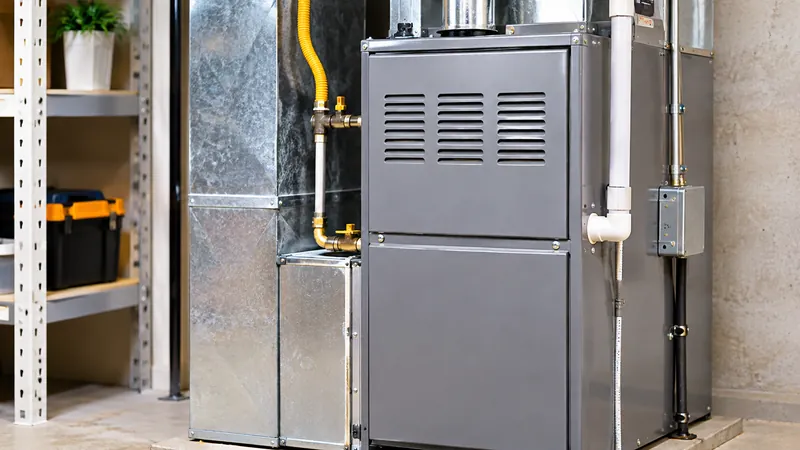
Repair Is Usually Worth Exploring
Newer furnaces often have substantial service life remaining. Replacing a faulty igniter, sensor, or thermostat may be practical if the system is otherwise safe. Check warranty coverage first.
Evaluate the Overall Condition
Review maintenance history, repair frequency, and heating performance. A well-maintained furnace may still be a good repair candidate.
Compare Repair and Replacement
An aging furnace isn't automatically ready for replacement. Compare repair costs, reliability, and expected remaining service life before deciding.
Key point: Furnace age is a starting point, not a replacement deadline.
2. Review Your Furnace Repair History
Repeated furnace breakdowns may indicate declining reliability. Consider how your heating system has performed over the last two or three winters.
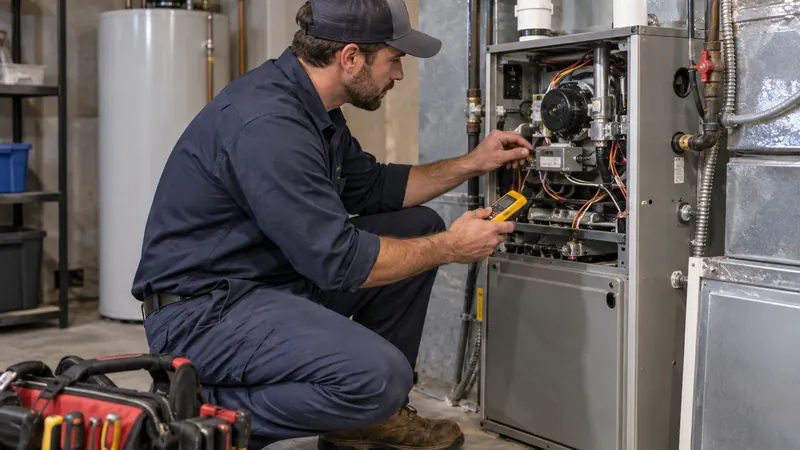
Warning Signs of Frequent Furnace Repairs
- Multiple breakdowns during recent heating seasons
- Different components failing one after another
- The same heating problem repeatedly returning
- Increasing repair expenses
- Reduced reliability despite regular maintenance
One isolated repair isn't necessarily concerning. However, replacing a blower motor one winter and repairing the ignition system the next may indicate broader equipment wear.
Remember: A furnace can be repairable without being economical to keep repairing.
3. Compare Furnace Repair Costs With Replacement Costs
Furnace repair costs depend on the failed component, labor, and equipment condition. Replacement costs vary with system size, efficiency, and installation requirements.
Compare the repair estimate with the total installed cost of a new furnace, not just the equipment price.
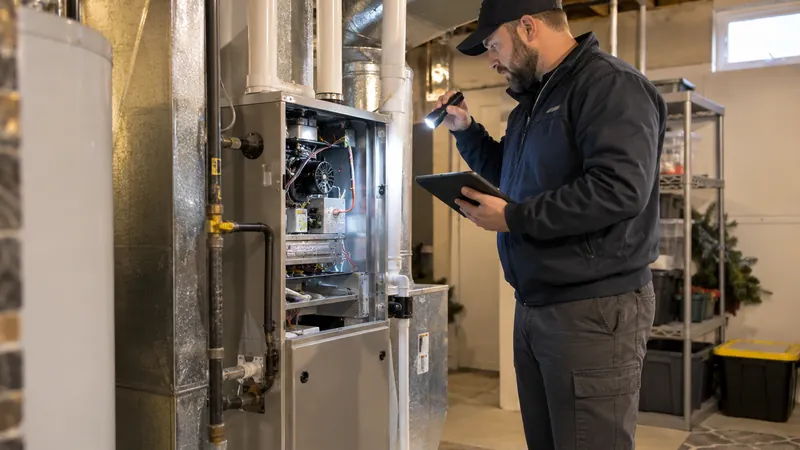
Is the 50% Furnace Replacement Rule Reliable?
The 50% rule suggests considering replacement when a repair approaches half the cost of a new installation.
Example: A $3,000 repair compared with a $6,000 furnace replacement.
Replacement deserves closer consideration, especially when the existing furnace is older.
The 50% rule isn't an automatic requirement. Warranty coverage, overall condition, and remaining service life should also influence the decision.
Questions to Ask Before Approving a Repair
- What caused the failure?
- Are other major components deteriorating?
- Is the repair covered by a warranty?
- Will the repair resolve the underlying problem?
- How reliable is the remaining equipment?
Focus on future value. Previous repair bills are already paid. What matters is whether the next repair is a sensible investment.
4. Pay Attention to Heating Performance and Comfort
A furnace doesn't have to stop working to show signs of trouble. Uneven temperatures, short cycling, and insufficient heat may indicate airflow restrictions, control problems, or worn components.
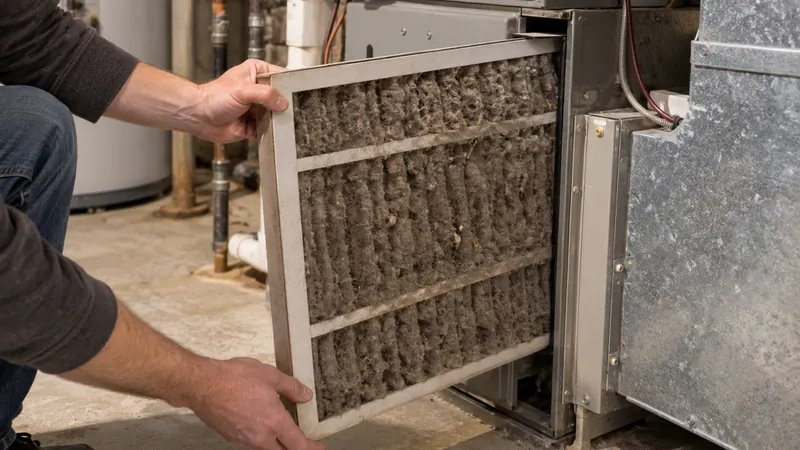
Uneven Heating Between Rooms
Cold spots may result from leaky ductwork, restricted airflow, poor insulation, or improper furnace sizing.
Furnace Short Cycling
Repeatedly starting and stopping can indicate overheating, airflow problems, thermostat faults, or incorrect sizing.
Furnace Runs but Doesn't Heat Properly
Cool air or insufficient heating may involve ignition problems, controls, or airflow restrictions.
Diagnose before replacing. A new furnace won't automatically fix cold rooms caused by ductwork problems or poor insulation.
5. Consider Energy Efficiency and Heating Costs
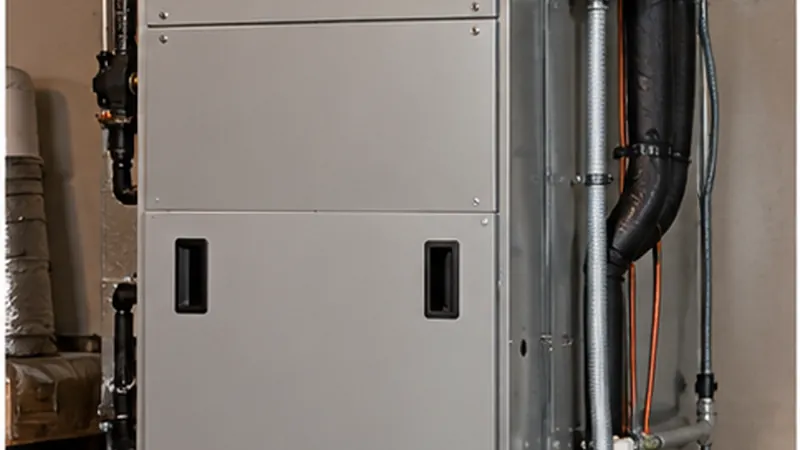
Older furnaces may use more fuel to provide the same amount of heat. Gas furnace efficiency is measured by Annual Fuel Utilization Efficiency (AFUE), which represents the percentage of fuel energy converted into useful heat over a heating season.
How Much Could a High-Efficiency Furnace Save?
An upgrade from 80% to 95% AFUE would theoretically use approximately 16% less fuel to deliver the same amount of heat.
Actual savings depend on fuel prices, climate, insulation, thermostat settings, and installation quality. High-efficiency models may also require venting or condensate drainage upgrades.
Compare total value. A higher AFUE rating can reduce fuel consumption, but installation costs should be weighed against realistic long-term savings.
6. Know When Furnace Safety Changes the Decision
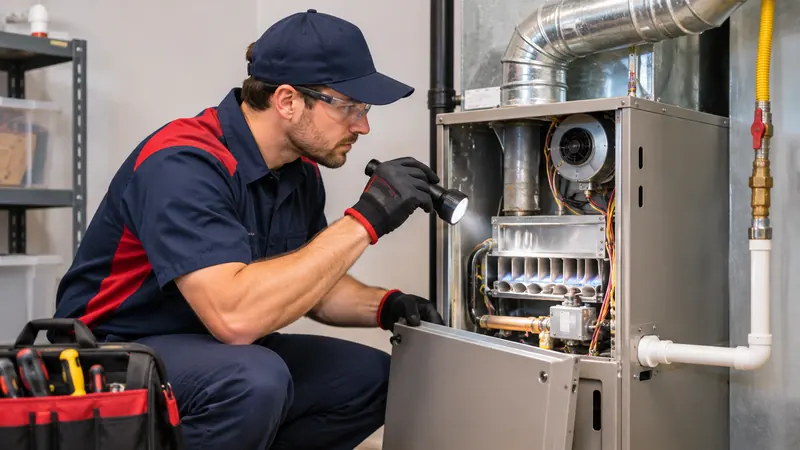
Furnace safety comes before repair costs. Gas and oil furnaces must have safe combustion, proper venting, and functioning safety controls. A damaged heat exchanger or unsafe exhaust system requires professional attention.
Furnace Safety Warning Signs
- Unusual soot around the furnace or venting system
- Persistent burner flame abnormalities
- Repeated furnace safety shutdowns
- Visible damage to exhaust pipes or vent connections
These symptoms don't automatically indicate a cracked heat exchanger, but they require professional diagnosis. If a technician determines that the furnace is unsafe, do not operate it until the problem is resolved.
If your carbon monoxide alarm sounds, leave the home immediately and call 911. Do not return until emergency responders confirm it is safe.
Repair or replace? Major heat exchanger damage may make furnace replacement more practical, especially on an older heating system.
7. Should You Repair Your Furnace Before Winter or Wait?
If your furnace is already showing problems, schedule an inspection before winter. Waiting for a complete breakdown can leave you without heat when you need it most.
For homeowners in Shelby, Gastonia, Kings Mountain, Forest City, and nearby North Carolina communities, early fall is a practical time to check heating performance.
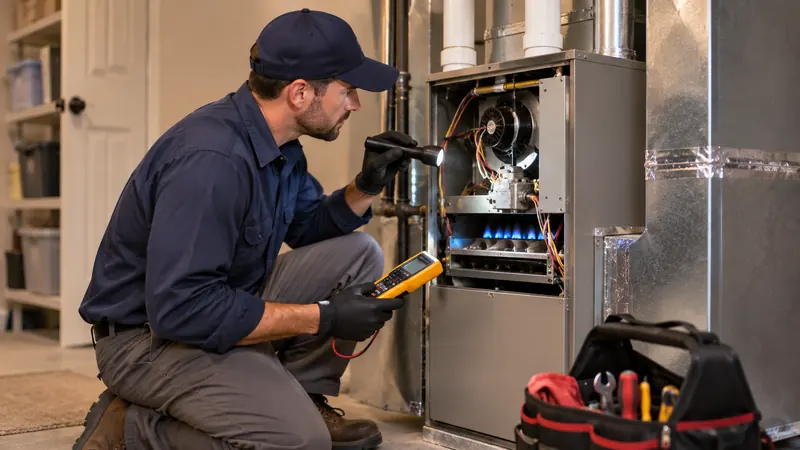
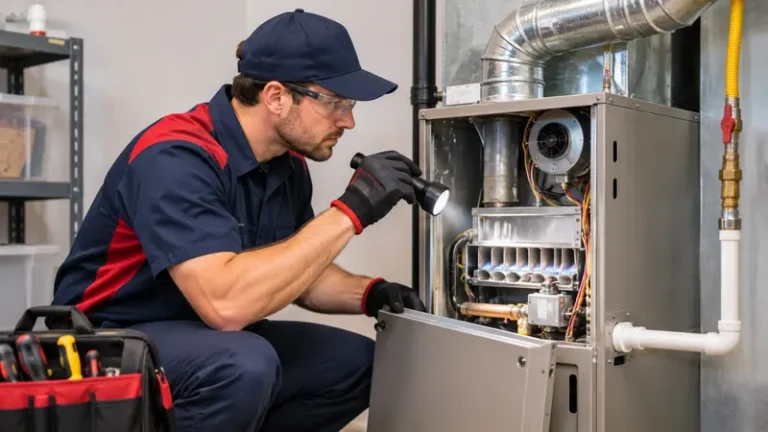
What Should a Pre-Winter Furnace Inspection Check?
- Ignition system and burner operation
- Airflow restrictions and blower motor condition
- Thermostat and heating controls
- Combustion performance and exhaust venting
- Worn components and furnace safety controls
Why schedule early? Preventive furnace maintenance can reveal developing problems before they cause a breakdown, although it cannot guarantee trouble-free operation.
8. Make Sure a Replacement Will Actually Solve the Problem
A new furnace should improve comfort, reliability, and heating performance. Before approving installation, make sure the replacement is appropriate for your home.
Proper Furnace Sizing
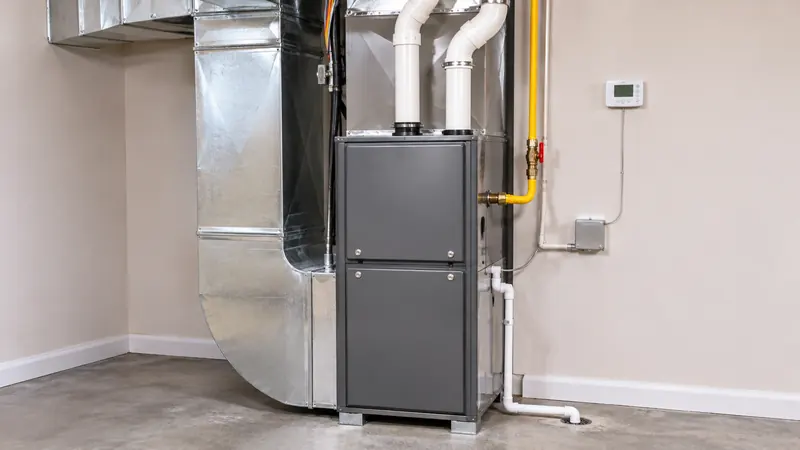
Bigger isn't always better. An oversized furnace may short cycle, while an undersized unit can struggle to heat your home. A professional heating load calculation helps determine the correct equipment capacity.
Ductwork and Airflow
Leaky ducts, restricted airflow, and poor insulation should be evaluated before installation. Replacing the furnace alone may not correct existing cold spots or comfort problems.
What's Included in a Furnace Replacement Estimate?
A detailed installation quote should identify:
- Furnace model, heating capacity, and AFUE rating
- Equipment and installation labor
- Required venting and condensate modifications
- Necessary ductwork or airflow improvements
- Thermostat compatibility
- Required permits and inspections
- Equipment and labor warranty coverage
Explore your heating options. Depending on the home, a gas furnace, heat pump, or dual-fuel system may be appropriate. Compare installation costs, available energy sources, and long-term heating needs.
Three Furnace Repair vs. Replacement Scenarios
Furnace age alone doesn't determine the best option. These hypothetical examples show why repair history, condition, and costs should be considered together.
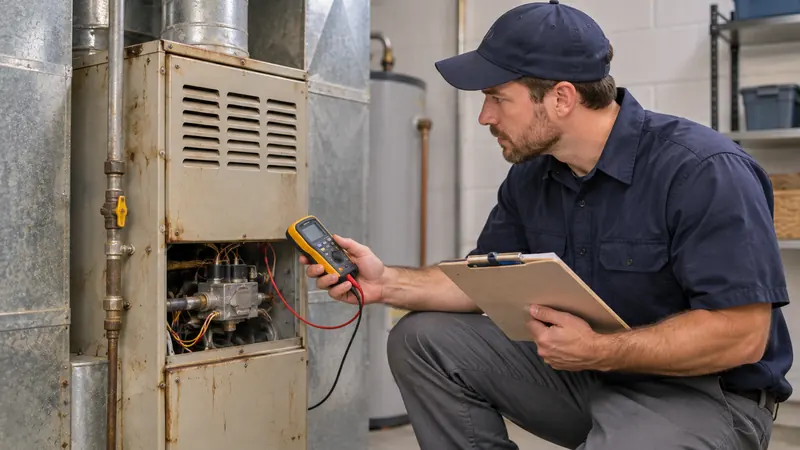
An 8-Year-Old Furnace Needs a Minor Repair
The system has been reliable, and the technician finds one faulty ignition component. Other major components are in good condition.
Likely direction: Repair. Full replacement is generally unnecessary.
A 14-Year-Old Furnace Needs Another Major Repair
Multiple recent breakdowns and another expensive component failure raise concerns about future reliability.
Likely direction: Compare both options. Consider repair costs, warranty coverage, and remaining equipment condition.
An 18-Year-Old Furnace Has Ongoing Heating Problems
The furnace heats unevenly, requires frequent repairs, and shows significant component wear.
Likely direction: Replacement deserves serious consideration. Ductwork and insulation problems should also be evaluated.
The takeaway: Two furnaces of the same age can require very different decisions.
Questions to Ask Before Approving Furnace Repair or Replacement
Before spending money on furnace repairs or a new heating system, ask your HVAC contractor these five questions:
- What exactly failed? Ask for a clear explanation of the problem.
- What is the complete repair cost? Confirm parts, labor, and warranty coverage.
- What condition is the rest of the furnace in? Find out whether other major components are deteriorating.
- Will replacement solve my heating problems? Discuss furnace sizing, airflow, and ductwork.
- What are the benefits of replacing now? Compare reliability, efficiency, installation costs, and expected maintenance.
A good recommendation starts with a proper diagnosis. The right choice should fit your home's heating needs, equipment condition, and budget.