The first cold night is not the time to find out your heat will not turn on. Before temperatures drop, run your furnace or heat pump and watch for warning signs like strange smells, loud noises, weak airflow, short cycling, uneven rooms, or cold air from the vents.
A quick test now can help you catch problems early and avoid the seasonal rush for heating repairs. Piedmont HVAC, Plumbing and Chimney helps homeowners in Shelby and nearby North Carolina communities get their heating systems ready before cold weather hits.
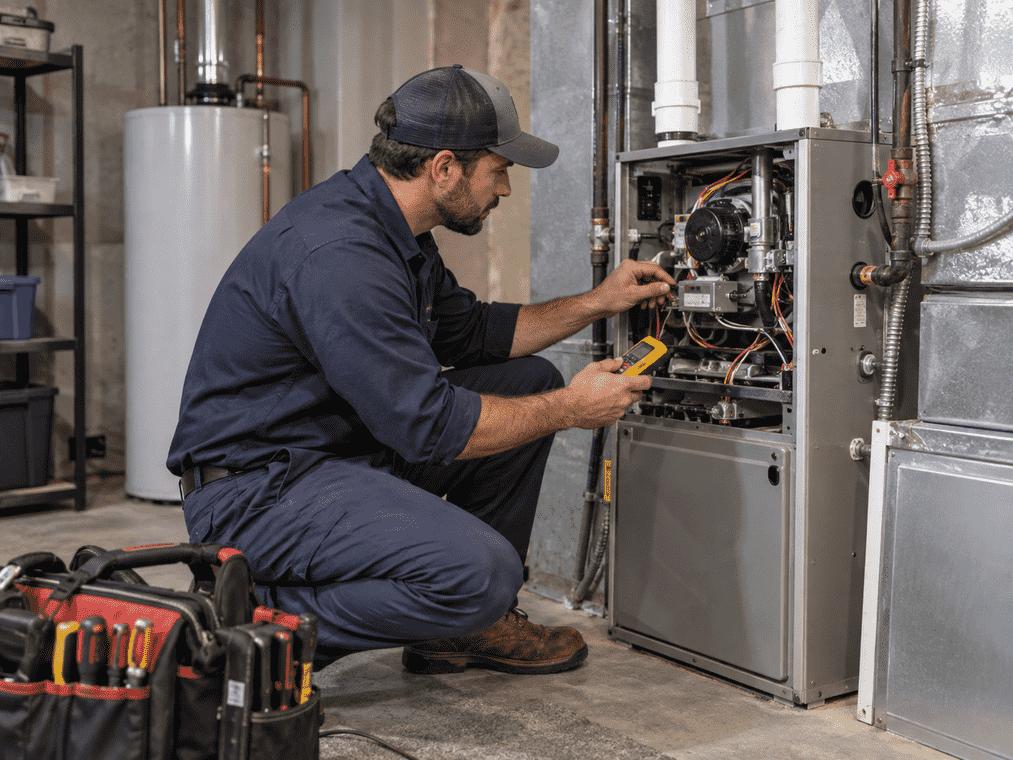
Should You Test Your Heating System Before Cold Weather?
Yes. Homeowners should test their heating system before the first cold night so they can find problems early, avoid emergency repairs, and make sure the furnace or heat pump starts safely. Turn the thermostat to heat, raise the temperature a few degrees, let the system run through a full cycle, check for warm airflow, listen for unusual noises, and watch for warning signs like short cycling, weak airflow, burning electrical smells, rotten egg odors, uneven heating, or a system that will not start.
Why Testing Your Heat Early Matters
Your heating system may seem fine now, but small problems often stay hidden until the first real cold night. After sitting unused through the warmer months, parts can collect dust, filters can clog, thermostat settings can get changed, and outdoor heat pump units can get covered with leaves or debris.
When the system finally has to work harder, weak spots can show up fast. Common issues include:
- A furnace that starts but will not stay running
- A heat pump that does not switch into heating mode
- Weak airflow from clogged filters or blocked vents
- Short cycling caused by overheating or control issues
- Uneven temperatures from duct or airflow problems
- Strange noises from worn or loose components
- A thermostat that does not properly call for heat
Testing your heating system before cold weather gives you time to fix these issues before they become urgent. Instead of dealing with no heat on a cold night, you can schedule furnace maintenance, heat pump service, or heating repair while the weather is still mild.
A quick test now can help protect your comfort, reduce stress, and make sure your system is ready when your home actually needs it.
How to Test Your Heating System at Home
You do not need to take the system apart. The goal is to safely run the heater and notice what happens.
Start by setting your thermostat to heat mode. Raise the temperature several degrees above the current room temperature so the system has a reason to start. Listen for the normal startup sequence. A furnace may click, ignite, and then begin blowing warm air. A heat pump may start more quietly and gradually move warm air through the house.
Let the system run for at least one full heating cycle. Walk around the home and check the supply vents. The airflow should feel steady. Rooms should begin warming evenly. The system should not turn on and off repeatedly within a few minutes.
While it runs, pay attention to:
- Unusual smells
- Banging, scraping, grinding, or squealing noises
- Weak airflow from vents
- Cold air when the system is set to heat
- Uneven temperatures between rooms
- Short cycling
- Thermostat delays or blank screen
- Breaker trips
- Furnace ignition problems
- Heat pump outdoor unit issues
This test does not replace professional HVAC maintenance, but it can tell you whether something needs attention before colder weather arrives.
A Light Burning Smell May Be Normal, But Not Always
A light dusty smell can happen the first time you turn on your heat for the season. Dust can settle on the furnace, burners, heat exchanger, or heating components during warmer months, then burn off during the first heating cycle.
That smell should be mild and should fade quickly. If it does not, shut the system off and call for HVAC service.
Call a professional right away if you notice:
- A rotten egg or sulfur smell
- A strong electrical burning odor
- A melting plastic smell
- Smoke or a heavy burning smell
- Odors that keep coming back
- A burning smell with loud noises or system shutdowns
A quick dusty smell may be normal. Gas smells, electrical odors, smoke, or strong odors are not. When in doubt, turn the system off and have it checked before running it again.
Warning Signs Your Heater Needs Service Right Away
A heating system does not always fail all at once. Many systems give warning signs before a breakdown. Testing early helps you notice those signs while you still have time to fix them.
- The system will not start: If the thermostat is set to heat and nothing happens, check the batteries, breaker, and filter. If it still will not run, schedule heating service.
- Weak airflow from the vents: Low airflow can come from a dirty filter, blocked return, blower issue, duct restriction, or airflow imbalance.
- Short cycling: If your furnace or heat pump turns on and off too quickly, it may be overheating, struggling with airflow, or shutting down because of a safety control.
- Uneven temperatures: Cold rooms, warm rooms, and inconsistent comfort can point to duct problems, blocked vents, poor return airflow, or system performance issues.
- Strange noises: Banging, grinding, scraping, buzzing, rattling, or squealing sounds can mean loose parts, blower trouble, ignition issues, or electrical problems.
- Cold air from the vents: A furnace blowing cold air may have an ignition, gas supply, thermostat, or safety lockout issue. A heat pump may feel cooler than a furnace, but it should still warm the home steadily.
Furnace Testing vs Heat Pump Testing
Furnaces and heat pumps do not heat your home the same way, so they should not be tested the exact same way.
- Gas furnace: A furnace creates heat through burners and combustion. When testing it, pay attention to startup, ignition, burner operation, airflow, gas odors, and carbon monoxide safety.
- Heat pump: A heat pump moves heat instead of creating it through combustion. It may run longer than a furnace, and the air from the vents may feel warm instead of hot. What matters is steady heating, strong airflow, and a system that switches into heat mode properly.
- Dual-fuel system: If your home has both a heat pump and furnace, both systems need to communicate correctly. Testing early can help catch thermostat staging issues, outdoor sensor problems, or backup heat problems before winter.
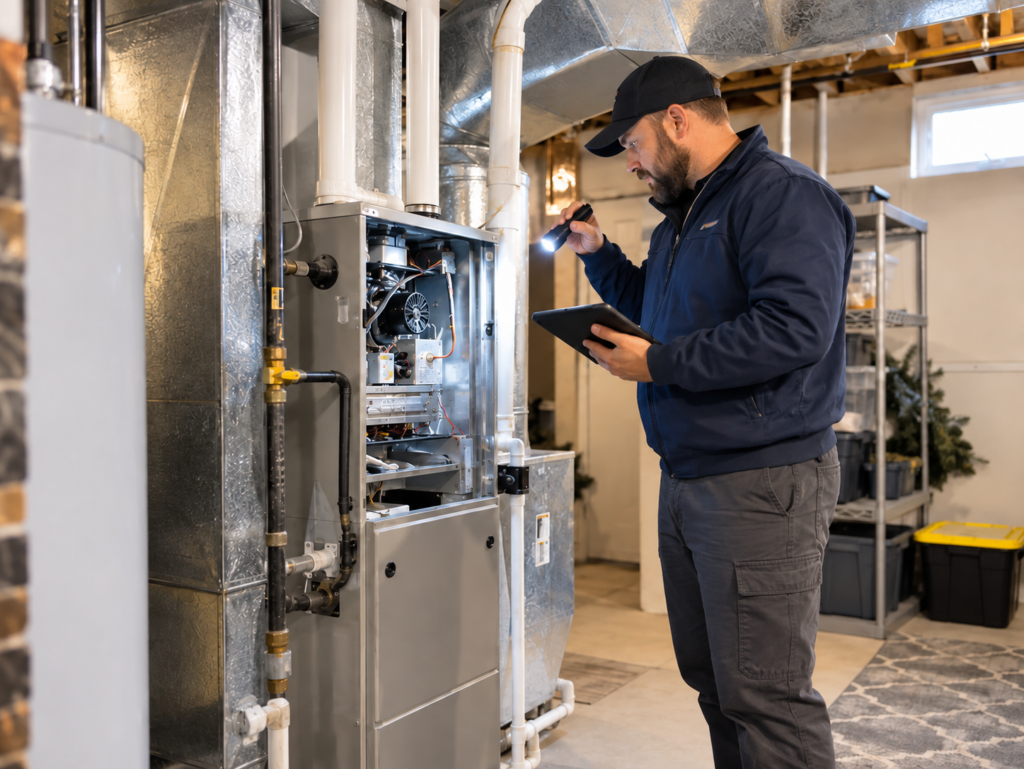
If your furnace will not ignite, your heat pump blows cold air too long, or your backup heat turns on when it should not, schedule heating service before colder weather arrives.
Do Not Skip Carbon Monoxide Safety
If your home uses a gas, oil, propane, or other fuel-burning heating system, carbon monoxide safety should be part of your fall HVAC check. Carbon monoxide has no smell or color, which makes it especially dangerous if a furnace, vent, flue, or heat exchanger is not working safely.
Before heating season, make sure to:
- Test your carbon monoxide alarms
- Replace weak or expired batteries
- Keep alarms in the right areas of the home
- Check that vents and flue pipes are not blocked
- Schedule service if your furnace smells strange, shuts down, or runs poorly
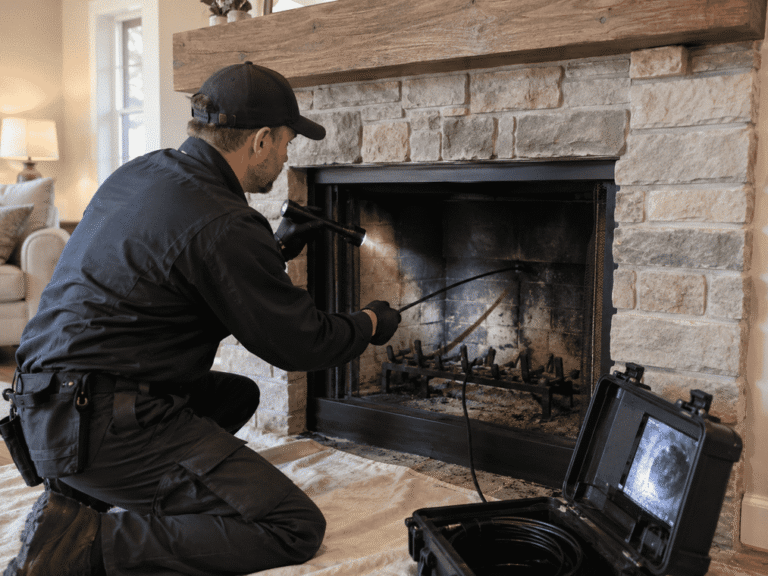
A professional heating inspection can check combustion, venting, burners, gas pressure, electrical components, and safety controls. This helps confirm your system is not just heating your home, but operating safely.
Check the Air Filter Before You Blame the Furnace
Before assuming your furnace has a major problem, check the air filter first. A clogged filter can restrict airflow and make your heating system work harder than it should.
A dirty filter can cause:
- Weak airflow from the vents
- Short cycling
- Uneven heating
- Higher energy use
- Furnace overheating
- System shutdowns
- Poor indoor air quality
Before testing your heat, replace the filter if it looks dirty, dusty, or packed with pet hair. Also make sure supply vents and return vents are not blocked by furniture, rugs, curtains, or storage items.
A clean filter helps your furnace or heat pump move air properly, heat the home more evenly, and run with less strain.
Why You Should Not Wait Until Everyone Else Calls
The first cold snap is when a lot of heating problems show up at the same time. A furnace that barely made it through last winter may not start. A dirty flame sensor can cause the system to lock out. A heat pump may struggle with defrost, reversing valve, or backup heat issues.
Testing early gives you more control. You have time to:
- Schedule service before the rush
- Catch small problems before they become no-heat emergencies
- Order parts if repairs are needed
- Avoid rushed repair decisions
- Make sure your furnace or heat pump is ready for colder nights
Waiting until the first cold night can leave you competing with every other homeowner who just discovered their heat is not working. A simple test now can save you stress later.
What a Professional Heating Maintenance Visit Should Include
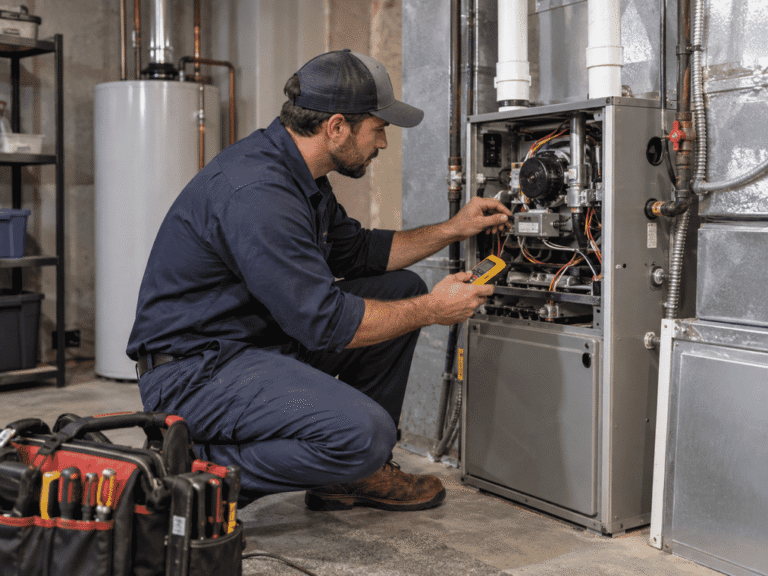
A professional heating tune-up goes deeper than turning the thermostat on and waiting for warm air. A technician checks how the system starts, runs, moves air, and shuts down.
During a heating maintenance visit, your technician may inspect:
- Thermostat operation
- Air filter condition
- Return and supply airflow
- Electrical connections
- Blower motor and wheel
- Ignition system
- Flame sensor
- Burners and gas pressure
- Heat exchanger condition
- Safety switches
- Venting and flue pipe
- Carbon monoxide risk factors
- Condensate drain on high-efficiency furnaces
- Heat pump reversing valve, defrost cycle, and auxiliary heat
Homeowners can usually spot the symptoms, but a trained technician can find the actual cause. That helps prevent small heating problems from turning into no-heat emergencies.
Small Problems Are Easier to Fix Before Heavy Use
Fall is one of the best times to catch heating problems because your system is not under heavy demand yet. Once cold weather hits, weak parts have to work harder and are more likely to fail.
A quick heating test can reveal issues like:
- A furnace that starts but struggles after a few cycles
- A blower motor that sounds rough or weak
- A heat pump that warms the house in mild weather but struggles when temperatures drop
- Dirty burners that ignite poorly
- Weak airflow that gets worse during longer run times
- Small noises that point to worn or loose parts
Testing early gives Piedmont HVAC, Plumbing and Chimney time to inspect the issue, explain your options, and complete heating repair before your home depends on the system every day.
A Simple Homeowner Heating Test Checklist
Before colder weather arrives, use this quick checklist:
- Replace or inspect the air filter.
- Make sure vents and returns are open and unblocked.
- Set the thermostat to heat mode.
- Raise the temperature several degrees.
- Let the system run through a full heating cycle.
- Check for warm, steady airflow at multiple vents.
- Listen for unusual sounds.
- Watch for short cycling.
- Notice any smells and whether they fade quickly.
- Test carbon monoxide and smoke alarms.
- Look around the furnace or air handler for water, rust, loose panels, or blocked access.
- Clear the area around heating equipment.
If anything feels unsafe, shut the system off and call a professional.
When to Call Piedmont HVAC, Plumbing and Chimney
Call Piedmont HVAC, Plumbing and Chimney if your heating system shows signs that it is not ready for colder weather.
Schedule heating service if you notice:
- The system will not start
- Cool air coming from the vents
- Loud banging, grinding, or squealing noises
- Weak airflow
- Short cycling
- Gas, smoke, or electrical odors
- Breaker trips
- Uneven heating from room to room
- A furnace or heat pump that has not been serviced in the past year
Piedmont HVAC, Plumbing and Chimney helps homeowners in Shelby and nearby North Carolina communities with furnace maintenance, heat pump service, heating repair, thermostat issues, airflow problems, and pre-winter HVAC inspections.
Do not wait until the first cold night to find out your heat is not ready. Call Piedmont HVAC, Plumbing and Chimney today to schedule heating service.
Frequently Asked Questions
Early warning signs include weak airflow, uneven heating, loud startup noises, short cycling, cool air from the vents, thermostat delays, breaker trips, or a furnace that starts but will not stay running. If your system acts differently than it did last season, schedule heating service before colder weather arrives.
Let your furnace or heat pump run through at least one full heating cycle. The system should start smoothly, move steady air through the vents, warm the home evenly, and shut off normally once the thermostat is satisfied.
Uneven heating can be caused by blocked vents, dirty filters, leaky ductwork, poor return airflow, thermostat placement, airflow imbalance, or a heating system that is struggling to keep up. If one room stays cold while the system is running, have the airflow and duct system checked.
Yes. In heating mode, the outdoor heat pump unit normally runs because it pulls heat from outside air and moves it indoors. If the outdoor unit is not running, is frozen for too long, makes unusual noises, or the air inside stays cold, schedule heat pump service.
A furnace that starts and shuts off quickly may have an airflow restriction, dirty flame sensor, overheating issue, thermostat problem, pressure switch issue, ignition problem, or safety control concern. This is called short cycling and should be checked before it causes more wear.
It may be safe if the system starts normally, runs smoothly, vents properly, and has no strong odors, smoke, gas smell, loud noises, or shutdowns. If anything feels unsafe, turn the system off and call for a professional heating inspection.