Spring is unpredictable.
One morning feels cool enough for heat. By afternoon, you are reaching for the thermostat to turn the air on. That temperature swing is exactly why many homeowners start asking the same question:
Should I have a heat pump or a traditional air conditioner for spring?
At Piedmont HVAC, Plumbing and Chimney, this is one of the most common seasonal questions we answer. The right system depends on climate, energy goals, budget, and how your home is currently set up. Understanding the real differences helps you make a smart long-term decision.
Let’s break it down clearly.
How Heat Pumps and Air Conditioners Actually Work
Both systems cool your home the same way. They move heat.
Refrigerant circulates between indoor and outdoor coils. The system absorbs heat from inside your home and releases it outdoors. That is cooling mode.
The major difference is this:
A heat pump can reverse that process.
When heating is needed, the system pulls heat from outdoor air and transfers it indoors. Even cool outdoor air contains usable heat energy. That reversing capability is what makes heat pumps different.
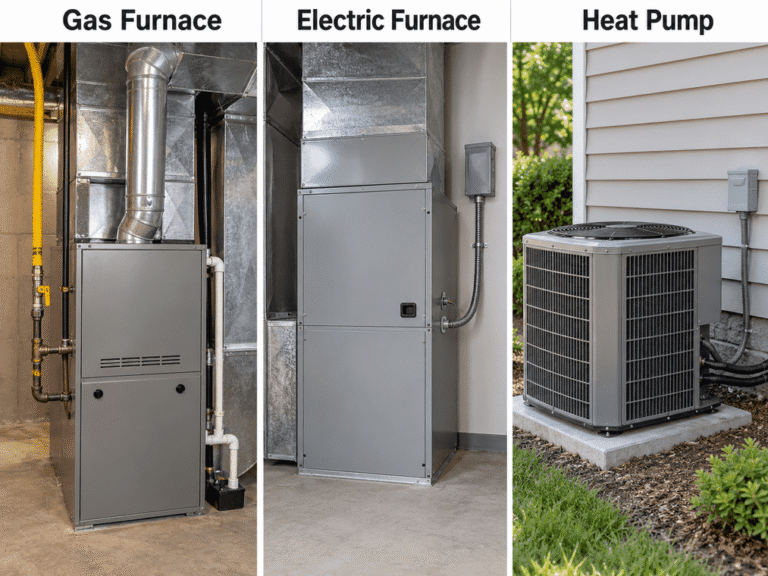
An air conditioner cannot do that. It only cools. A separate furnace or heating system is required for warmth.

Heat Pump vs AC for Spring
If you want the short answer:
A heat pump is usually better for spring because it provides both heating and cooling in one system, making it ideal for fluctuating temperatures. An air conditioner only cools and requires a separate heating system. In mild spring climates, heat pumps offer greater flexibility and often lower overall energy use.
Now let’s go deeper.
Why Heat Pumps Shine in Spring
Spring weather changes daily. Cool mornings. Warm afternoons. Occasional cold fronts.
A heat pump adapts instantly.
It switches between heating and cooling without needing a second system. That flexibility is extremely useful during transitional seasons.
Energy Efficiency in Mild Weather
Heat pumps transfer heat instead of generating it. That process is extremely efficient in moderate temperatures. When outdoor conditions are not freezing, a heat pump can deliver more heating energy than the electricity it consumes. That efficiency is one of the biggest advantages during spring.
If you live in a region with mild winters and warm springs, a heat pump often makes financial sense. At Piedmont HVAC, Plumbing and Chimney, we frequently recommend heat pumps to homeowners who want simplified heating and cooling with lower seasonal energy use.
When an Air Conditioner Makes Sense
An air conditioner is strictly for cooling.
It works extremely well in hot weather and often has a slightly longer lifespan because it rests during winter months.
If your home already has a newer, high-efficiency gas furnace, pairing that furnace with a modern AC unit can still be a very practical solution. Some homeowners prefer separating heating and cooling systems for maintenance or budget reasons. In that case, a traditional AC remains a solid choice.
Cost Comparison: Heat Pump vs AC
Upfront Cost
Both heat pumps and air conditioners fall within a similar price range depending on:
- System size
- Efficiency rating
- Installation complexity
- Ductwork condition
- Electrical upgrades
High-efficiency systems cost more initially but reduce long-term operating expenses.
Because heat pumps include additional components like reversing valves and control boards, they can be slightly more expensive than entry-level AC units.
However, they eliminate the need for a separate heating system in many climates.
Side-by-Side Installation Cost
Feature | Central Air Conditioner | Air-Source Heat Pump |
Primary Function | Cooling only | Heating and cooling |
Installed Cost (Standard Efficiency) | $4,500 – $8,500 | $5,500 – $10,000 |
Installed Cost (High Efficiency) | $8,500 – $14,000 | $9,000 – $16,000 |
Requires Separate Furnace | Yes | No (in mild climates) |
Installation Complexity | Moderate | Slightly higher due to reversing valve and controls |
What This Means
Heat pumps typically cost slightly more upfront because they include additional components and functionality. However, in many climates they eliminate the need to install or replace a separate heating system, which can balance the total investment.
Operating Cost
This is where things shift.
If you currently heat with electric resistance or propane, switching to a heat pump can significantly reduce heating costs.
If you already have an efficient natural gas furnace and low gas rates, the cost difference may be smaller.
Estimated Annual Operating Cost
Based on a 2,000 square foot home in a moderate climate.
System Setup | Cooling Cost | Heating Cost | Total Annual HVAC Cost |
AC + Electric Resistance Heat | $700 – $1,000 | $1,200 – $2,000 | $1,900 – $3,000 |
AC + Natural Gas Furnace | $700 – $1,000 | $500 – $1,200 | $1,200 – $2,200 |
Heat Pump (All Electric) | $700 – $1,000 | $400 – $900 | $1,100 – $1,900 |
Dual-Fuel (Heat Pump + Gas Furnace) | $700 – $1,000 | $350 – $900 | $1,050 – $1,900 |
10-Year Cost Perspective
If a heat pump saves an average of $400 to $700 per year compared to electric resistance heating, that results in $4,000 to $7,000 in potential savings over 10 years.
Higher-efficiency equipment can also reduce:
- Monthly utility bills
- Mechanical strain
- Emergency repair frequency
- Long-term operating risk

Which Option Is More Cost-Effective?
A Heat Pump May Be the Better Choice If:
- You currently heat with electric resistance or propane
- You want one system for both heating and cooling
- You live in a mild or moderate climate
- You prioritize lower annual operating costs
An AC with Furnace May Be the Better Choice If:
- You already have a newer, high-efficiency gas furnace
- Natural gas prices are low in your area
- You prefer separate heating and cooling systems
Every home is different.
That is why Piedmont HVAC, Plumbing and Chimney evaluates actual usage patterns, insulation levels, and energy rates before making recommendations.
Lifespan and Maintenance
Heat Pump Lifespan
Heat pumps typically last around 10 to 12 years because they operate year-round. They handle both heating and cooling duties, which increases total runtime.
Air Conditioner Lifespan
Air conditioners often last 10 to 15 years. Because they only run during cooling season, they may experience less total wear.
Maintenance Requirements
Both systems require:
- Regular filter replacement
- Coil cleaning
- Refrigerant level checks
- Electrical inspections
- Annual professional service
Heat pumps may benefit from more frequent checkups since they operate in both heating and cooling modes. Routine maintenance significantly extends the life of either system.
Climate Matters More Than Equipment
The answer to heat pump vs AC for spring depends heavily on climate.
Mild Climates
Heat pumps are ideal. They efficiently handle temperature swings and reduce the need for separate heating equipment.
Mixed Climates
Dual-fuel systems may work best. A heat pump handles mild weather, and a gas furnace takes over during extreme cold.
Cold Climates
Traditional furnace plus AC may still be practical if winter temperatures drop well below freezing for extended periods.
The key is proper system sizing and load calculation. Improper sizing causes short cycling, reduced efficiency, and comfort issues regardless of equipment type.
At Piedmont HVAC, Plumbing and Chimney, we perform detailed load calculations before recommending any HVAC upgrade.
Comfort Comparison: Is There a Difference?
Cooling Comfort
There is virtually no difference in cooling performance between a heat pump and an air conditioner. Both remove heat and humidity through the same refrigeration process.
Heating Comfort
Heat pumps provide steady, moderate warmth. Furnaces produce hotter air bursts.
Some homeowners prefer the warmer supply air from furnaces. Others prefer the consistent, balanced heat from a heat pump. It often comes down to comfort preference.
Energy Efficiency Ratings Explained
When comparing a heat pump and an AC, you’ll see efficiency ratings. Here’s what they actually mean in plain terms:
SEER (Seasonal Energy Efficiency Ratio)
- Measures cooling efficiency
- The higher the SEER number, the less electricity the system uses to cool your home
- Higher SEER = lower summer energy bills
- Most modern systems start around 14–15 SEER, with high-efficiency models going 18–20+ SEER
HSPF (Heating Seasonal Performance Factor)
- Measures heating efficiency for heat pumps
- The higher the HSPF, the more efficiently the system heats your home
- Higher HSPF = lower winter heating costs
- Only applies to heat pumps (AC units do not have HSPF)
What This Means for You
- Higher ratings usually cost more upfront
- They typically save more money over time
- The right efficiency level depends on how long you plan to stay in your home and your local energy rates
If you want help choosing the right efficiency level, Piedmont HVAC, Plumbing and Chimney can run a cost comparison based on your real utility usage.
Environmental Considerations
If you’re thinking about environmental impact, here’s the easy version:
Why Heat Pumps Are Considered Greener
- They don’t burn gas or propane inside your home
- They move heat instead of creating it, which uses less energy
- When powered by electricity from solar or cleaner energy sources, their carbon footprint is lower
Why This Matters
- Less direct fuel burning = fewer on-site emissions
- Pairs well with solar panels
- Supports long-term electrification goals
If reducing energy use and emissions is important to you, a heat pump is often the better long-term option.
Repair vs Replacement Considerations
If your current AC system is aging and your furnace is also nearing replacement age, switching to a heat pump may simplify your setup.
If your furnace is relatively new and efficient, replacing only your AC may be more cost effective.
There is no universal answer.
That is why consultation matters.
At Piedmont HVAC, Plumbing and Chimney, we provide side-by-side cost analysis so homeowners can see:
- Upfront investment
- Estimated operating costs
- Maintenance expectations
- Long-term savings projections
Making decisions based on real numbers prevents regret later.
Final Answer: Which Is Better for Spring?
If your climate experiences mild winters and warm springs, a heat pump is usually the more versatile and energy-efficient option.
If you already have an efficient furnace and only need cooling, a traditional air conditioner remains a strong choice.
The right answer is not about trends. It is about performance in your specific home.
If you are weighing heat pump vs AC for spring, schedule a system evaluation with Piedmont HVAC, Plumbing and Chimney. Our team provides expert guidance, proper sizing, and transparent recommendations so you can invest with confidence.
Spring is the perfect time to make the decision before peak cooling season arrives.
Frequently Asked Questions
Yes. In mild temperatures, a heat pump is often more efficient because it can both heat and cool without relying on a separate furnace.
In moderate climates, yes. In colder climates, it may be paired with a furnace for backup heating.
Yes. Cooling performance is essentially the same.
They can be slightly more expensive upfront, but they may reduce total system costs if they replace both heating and cooling equipment.
Air conditioners often last slightly longer because they do not run year-round. Heat pumps typically last 10 to 12 years.
Efficiency drops in freezing conditions, but modern models perform better than older versions.