The first warm afternoon of spring is when many homeowners discover a problem they did not know they had.
You switch the thermostat to cool. The system turns on. And instead of crisp, steady airflow, you get weak air, strange noises, or worse, warm air.
Spring is when struggling air conditioners reveal themselves. After sitting idle all winter, small hidden issues become major failures once cooling demand increases. The warning signs are almost always there before a complete breakdown.
At Piedmont HVAC, Plumbing and Chimney, we see a clear pattern every year. Emergency AC repairs in late spring and early summer usually start with symptoms homeowners ignored weeks earlier.
If you know what to look for, you can prevent a breakdown before peak heat arrives.
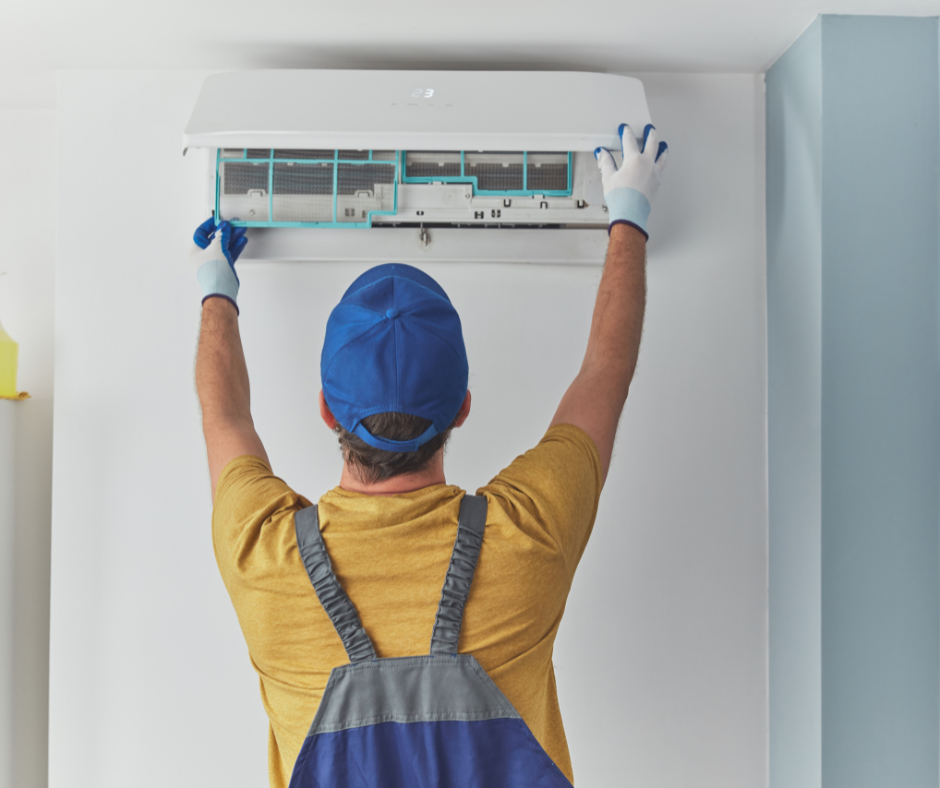
Top Signs Your AC May Fail This Spring
Watch for these early warning signs:
- Warm air blowing from vents
- Weak airflow
- Strange grinding, buzzing, or banging noises
- Frequent short cycling
- Rising energy bills
- Ice on refrigerant lines or coils
- Water leaks around the unit
- Musty or burning smells
- Circuit breaker trips
- AC is over 10 to 15 years old
If you notice two or more of these signs, schedule a professional inspection immediately.
1. Warm Air Instead of Cool Air
If your AC is running but not cooling properly, that is one of the strongest signs of impending failure. Common causes include:
- Low refrigerant
- Compressor issues
- Dirty evaporator coils
- Thermostat malfunction
Low refrigerant prevents proper heat absorption. Compressor problems prevent proper refrigerant circulation. Dirty coils reduce heat transfer. All three lead to warm or inconsistent airflow.
If ignored, these issues often escalate into compressor failure, which is one of the most expensive AC repairs.
2. Weak Airflow From Vents
When airflow feels noticeably weaker, your system is struggling.
Possible causes:
- Clogged air filter
- Failing blower motor
- Duct leakage
- Frozen evaporator coil
Restricted airflow forces the system to run longer to reach the thermostat setting. Longer runtime means more strain on components and higher energy consumption.
At Piedmont HVAC, Plumbing and Chimney, airflow testing is one of the first diagnostics we perform during spring service visits because weak airflow often leads to larger mechanical failures.
3. Frequent Short Cycling
Short cycling occurs when your AC turns on, runs briefly, shuts off, then repeats the cycle.
This behavior stresses the compressor and electrical components. It also increases your energy bill.
Short cycling can result from:
- Incorrect refrigerant levels
- Thermostat calibration problems
- Electrical faults
- An oversized system
If your system cannot complete a full cooling cycle, something is wrong internally.
4. Unusual Noises
Air conditioners should not grind, bang, squeal, or buzz loudly.
Each sound typically points to a specific problem:
- Grinding often indicates motor bearing issues
- Buzzing suggests electrical component problems
- Banging may signal loose or broken internal parts
- Clicking without startup can indicate capacitor failure
Electrical issues are especially common in spring because capacitors degrade during long winter inactivity.
If your AC suddenly sounds different, do not ignore it.
5. Rising Energy Bills Without Increased Usage
When your energy bill increases but your usage habits have not changed, your AC may be losing efficiency. Failing systems compensate for declining performance by running longer cycles. That increased runtime directly increases electricity usage.
Efficiency losses often precede complete breakdown. If your utility costs are climbing without explanation, it is time for an inspection.
6. Ice on Coils or Refrigerant Lines
Ice buildup is a serious warning sign.
Ice forms when:
- Airflow is restricted
- Refrigerant levels are incorrect
- Evaporator coils are dirty
When ice forms, internal pressure imbalances develop. Continued operation under these conditions can permanently damage the compressor.
If you see frost or ice, turn the system off and call for service.
7. Water Leaks Around the Indoor Unit
Spring humidity increases condensate production.
If the condensate drain line is clogged, water can back up and pool around the unit. Over time, this can cause:
- Ceiling or drywall damage
- Mold growth
- Electrical hazards
Drain line blockages are one of the most common spring AC issues.
8. AC Struggles to Start
If your system hesitates before turning on or makes repeated clicking sounds, this often indicates:
- Failing capacitor
- Electrical relay issues
- Aging compressor
Hard starting is one of the clearest signs your air conditioner is nearing failure. Replacing a capacitor early is inexpensive. Waiting until compressor damage occurs is not.
9. Circuit Breaker Trips Repeatedly
If your breaker trips when the AC starts, that means the system is drawing excessive current.
Possible causes:
- Electrical short
- Compressor strain
- Overheating components
- Failing motor
Repeated breaker resets are not a solution. They are a warning.
10. Your AC Is Over 10 to 15 Years Old
Most residential air conditioners are designed to last between 10 and 15 years depending on maintenance and operating conditions. If your unit is in that age range and showing multiple failure symptoms, repair may not be the smartest long-term decision.
At Piedmont HVAC, Plumbing and Chimney, we help homeowners evaluate repair versus replacement based on:
- System age
- Repair history
- Energy efficiency
- Total cost of ownership
- Cooling performance
Spring is the best time to make this decision before emergency replacement becomes necessary.
Why Spring Is the Most Common Time for AC Failure
Spring exposes weakness because:
- Systems shift from idle to active
- Refrigerant pressure stabilizes and changes
- Electrical components face startup stress
- Humidity increases condensate load
Minor issues that developed last summer often become visible once cooling cycles resume.
That is why pre-season inspections matter.
How to Prevent AC Failure This Spring
Preventive steps include:
- Replace air filters
- Clear debris around outdoor unit
- Test thermostat accuracy
- Inspect drain line
- Listen for unusual noises
- Schedule professional inspection
Routine maintenance reduces emergency repairs significantly.
At Piedmont HVAC, Plumbing and Chimney, spring HVAC inspections include:
- Refrigerant level verification
- Electrical system testing
- Capacitor evaluation
- Airflow measurement
- Coil inspection
- Drain line clearing
- System performance testing
Preventive service costs far less than emergency repairs in peak summer.
Final Thoughts
Air conditioners rarely fail without warning.
They get louder. They run longer. They cool less effectively. They cost more to operate.
The key is acting before the problem escalates.
If you notice any signs your air conditioner will fail this spring, schedule an inspection with Piedmont HVAC, Plumbing and Chimney. Our team specializes in diagnosing cooling system warning signs early, preventing breakdowns, and helping homeowners make smart repair or replacement decisions.
Spring is the time to act. Summer is when it is too late.
Frequently Asked Questions
The earliest signs your AC may fail include warm air from the vents, weak airflow, unusual noises such as grinding or buzzing, short cycling, and unexplained increases in energy bills. These symptoms typically indicate airflow restrictions, refrigerant issues, electrical problems, or compressor strain. Addressing these signs early can prevent a complete breakdown.
If your AC runs but does not cool properly, the most common causes are low refrigerant, dirty evaporator coils, compressor problems, or thermostat malfunction. Restricted airflow from clogged filters or duct leaks can also reduce cooling performance. A professional diagnostic test can identify the exact issue before it worsens.
Common compressor failure signs include warm air blowing from vents, loud knocking or grinding noises, difficulty starting, circuit breaker trips, and longer cooling cycles. Since the compressor is the core component of the AC system, early intervention is critical to avoid costly replacement.
If your unit is more than 10 to 15 years old, requires frequent repairs, or operates inefficiently, replacement may be more cost effective long term. A good guideline is the 50 percent rule: if repair costs exceed half the price of a new system, replacement is usually the smarter investment.
Ice on evaporator coils is typically caused by restricted airflow or low refrigerant levels. Dirty air filters, blocked ducts, failing blower motors, or refrigerant leaks can all lead to coil freezing. If ice forms, turn off the system immediately to prevent compressor damage.
Buzzing sounds often indicate electrical issues such as a failing capacitor, loose wiring, contactor problems, or motor strain. Electrical noises should never be ignored because they can escalate into major system failure or safety hazards.
Yes. A clogged air filter restricts airflow, forcing the blower motor and compressor to work harder. This increases energy use, reduces cooling performance, and can cause frozen coils. Replacing filters every one to three months significantly reduces strain on the system.