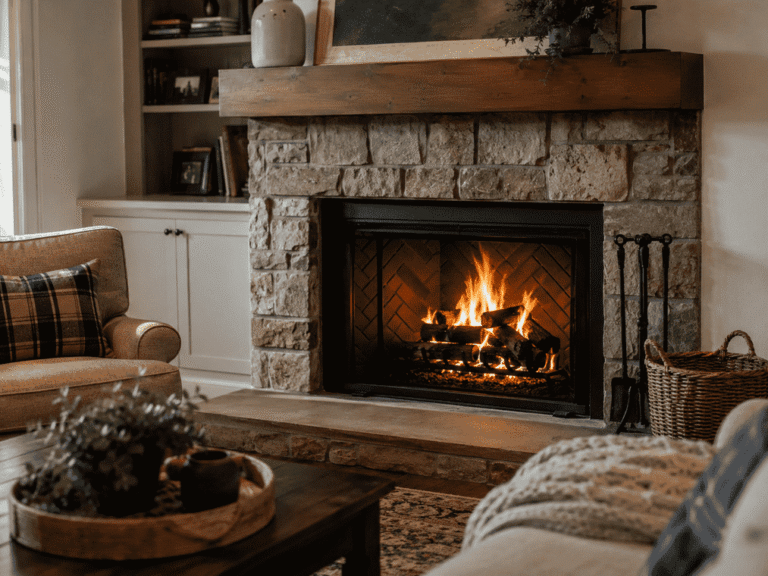
The last fire of the season always feels routine.
You let the embers burn out. Close the damper. Move on to warmer days.
But what most homeowners do not realize is this:
Spring is one of the most important times for chimney inspection and chimney maintenance.
Not fall.
When winter ends, your chimney has just endured months of high heat, smoke, moisture, and temperature fluctuation. If you shut it down without inspection, small issues sit untouched for months. By next season, they become expensive repairs.
At Piedmont HVAC, Plumbing and Chimney, we see more structural chimney damage caused by skipped spring inspections than by active winter use. If you want your fireplace safe, efficient, and ready for next season, spring shut down matters.
Let’s break down why.
What Does Chimney Spring Shut Down Include?
A proper spring chimney inspection and maintenance check should include:
- Creosote level evaluation
- Flue liner inspection
- Chimney cap and crown check
- Masonry and mortar assessment
- Damper operation test
- Smoke chamber inspection
- Animal intrusion check
- Moisture damage evaluation
Spring is ideal because winter damage is fresh and easier to identify.

Why Spring Is the Best Time for Chimney Inspection
Most homeowners think about chimney inspection in fall before lighting the first fire.
That is reactive.
Spring chimney maintenance is proactive.
Here is why it works better:
1. Creosote Buildup Is at Its Peak
Burning wood produces creosote, a flammable residue that coats the flue lining.
The National Fire Protection Association recommends annual chimney inspection to reduce fire risk. Creosote accumulation is one of the leading causes of chimney fires.
By the end of winter, buildup is at its highest level. If left sitting through humid spring and summer months, creosote absorbs moisture and becomes acidic. That acidity can damage flue liners and masonry.
Spring chimney cleaning removes buildup before humidity causes deterioration.
2. Moisture Damage Begins in Spring
Water is the biggest enemy of masonry chimneys.
Spring brings:
- Increased rainfall
- Humidity spikes
- Freeze-thaw transitions in colder regions
If your chimney crown has small cracks, water enters. When temperatures drop at night, that moisture expands and widens the cracks.
Even small masonry gaps allow water intrusion that leads to:
- Spalling bricks
- Cracked mortar joints
- Rusted damper assemblies
- Deteriorated flue liners
A spring chimney inspection catches moisture entry points before summer storms make them worse.
3. Animal Nesting Increases in Warmer Months
Birds, squirrels, raccoons, and even bats look for nesting sites in spring.
Uncapped or damaged chimney caps make easy entry points. Nesting materials block airflow and create fire hazards.
During chimney maintenance visits in spring, Piedmont HVAC, Plumbing and Chimney frequently removes early nesting debris that would otherwise cause draft problems in fall. Installing or repairing a chimney cap during spring prevents months of intrusion.
What Happens If You Skip Spring Chimney Maintenance
Ignoring chimney inspection after winter can lead to:
- Structural deterioration
- Flue liner corrosion
- Mold growth inside chimney chase
- Damper rust
- Drafting problems next season
- Increased chimney fire risk
Many chimney repairs that cost hundreds in spring become thousands by fall. Moisture is usually the difference.

Key Areas Checked During a Spring Chimney Inspection
A professional spring chimney inspection focuses on structural integrity, fire safety, and moisture protection. After months of winter use, these areas are the most vulnerable.
Flue Liner Condition
The flue liner protects your home by containing heat, smoke, and combustion gases inside the chimney system.
During chimney inspection, technicians look for:
- Cracks or separation in clay tile liners
- Rust or corrosion in metal liners
- Gaps in mortar joints
- Creosote buildup inside the flue
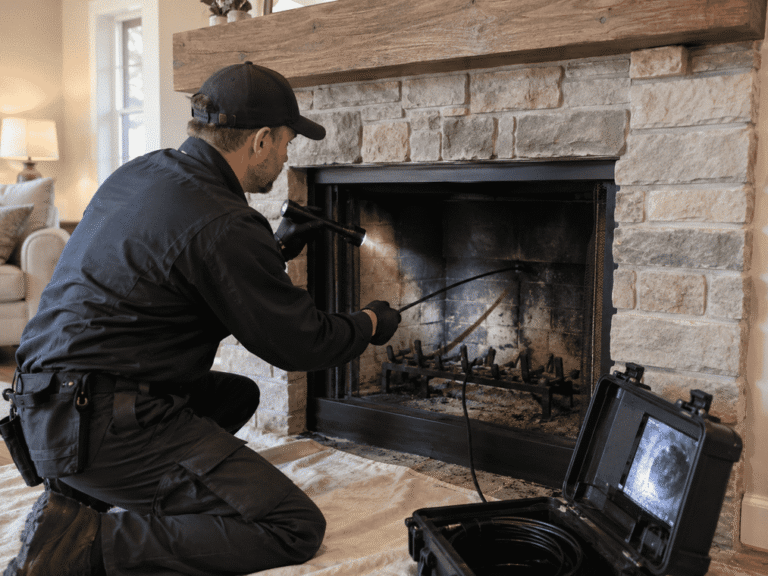
Damaged liners increase chimney fire risk and allow heat transfer into surrounding framing. They can also allow carbon monoxide leakage into living spaces. Camera-based flue liner inspection provides a detailed internal view that cannot be seen from ground level.
Regular chimney maintenance ensures the liner remains sealed, smooth, and safe for next season.
Chimney Crown and Cap
The chimney crown is the concrete surface at the top of the structure that directs water away from masonry. Hairline crown cracks may look minor, but under spring moisture and freeze-thaw cycles, they expand quickly.
The chimney cap prevents:
- Rainwater entry
- Animal nesting
- Debris accumulation
- Downdrafts
Missing or damaged chimney caps are one of the most common post-winter findings during chimney inspection. Water intrusion through crown cracks or uncapped flues is a leading cause of chimney masonry deterioration.
Spring chimney maintenance includes evaluating crown sealing and recommending chimney cap repair or replacement if needed.
Masonry and Mortar Joints
Brick and mortar are highly vulnerable to winter freeze-thaw stress. When water enters small mortar gaps and freezes, it expands and weakens the joint.
During chimney inspection, professionals look for:
- Loose or shifting bricks
- Crumbling mortar joints
- Efflorescence, which appears as white staining
- Interior wall staining near the chimney chase
- Small vertical cracks along brick seams
Early masonry repair and repointing prevent structural instability and water penetration. Routine chimney maintenance protects against costly rebuilds later.
Damper Operation and Draft Performance
The damper controls airflow and prevents heat loss when the fireplace is not in use. Moisture condensation during winter often causes:
- Rusted damper assemblies
- Warped metal components
- Sticking or partially closed dampers
A malfunctioning damper reduces draft efficiency and increases smoke backflow into the home.
Spring chimney inspection ensures proper damper operation before months of inactivity. This prevents corrosion from worsening during humid seasons.
Why These Areas Matter
Most chimney damage after winter begins with:
- Creosote residue
- Moisture intrusion
- Freeze-thaw expansion
- Minor structural shifts
Addressing these during spring chimney inspection and chimney maintenance prevents:
- Chimney fires
- Carbon monoxide risk
- Masonry deterioration
- Interior water damage
- Costly flue liner replacement
Routine annual chimney inspection keeps your system safe, efficient, and ready for next heating season.
How Winter Use Affects Chimney Health
Every fire produces:
- Heat expansion
- Smoke residue
- Creosote accumulation
- Moisture condensation
Even well-maintained chimneys experience internal wear over time. A typical wood-burning fireplace can produce several pounds of creosote during heavy seasonal use, and that buildup does not disappear on its own. Even gas fireplaces require regular chimney inspection.
While they create less creosote than wood-burning systems, they still experience venting stress, condensation, and moisture exposure that can damage liners and masonry. Regardless of fuel type, annual chimney inspection and chimney maintenance are essential for safety and long-term structural protection.
Spring Chimney Cleaning vs Fall Cleaning
Many homeowners ask which is better.
Spring cleaning advantages:
- Creosote removal before humidity damage
- Immediate identification of winter damage
- Off-season scheduling availability
- Lower emergency repair risk
Fall cleaning advantages:
- Pre-season readiness
From a structural preservation standpoint, spring chimney maintenance offers stronger long-term protection.
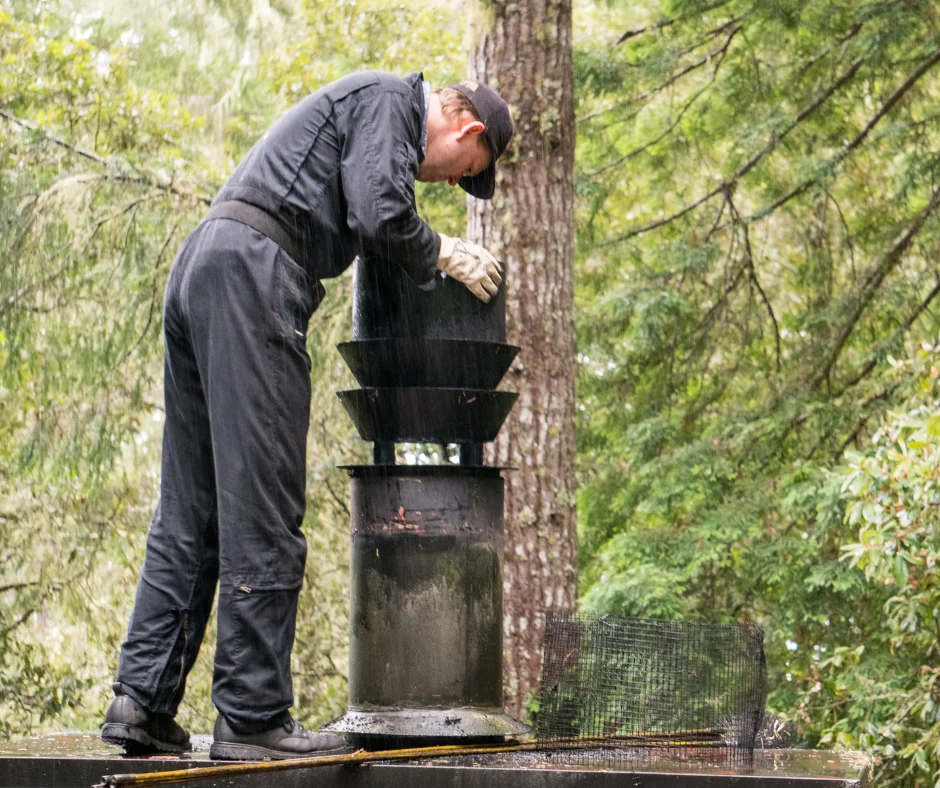
Signs Your Chimney Needs Immediate Inspection
Schedule chimney inspection if you notice:
- Strong smoky odor after winter
- White staining on exterior bricks
- Rust flakes in firebox
- Water in fireplace
- Cracked crown
- Damper sticking
- Animal noises
Even minor symptoms indicate moisture entry or residue buildup.
Chimney Maintenance Checklist for Spring
For homeowners wanting to be proactive:
- Remove ash completely
- Close damper after cleaning
- Check chimney cap visually
- Inspect brickwork for cracks
- Look for staining near ceiling
- Schedule professional chimney inspection
Professional inspection remains critical because many issues are not visible from ground level.
At Piedmont HVAC, Plumbing and Chimney, spring chimney evaluations include camera flue scans, structural assessment, draft testing, and moisture evaluation.
Long-Term Cost Perspective
Preventive chimney maintenance reduces:
- Chimney fire risk
- Masonry reconstruction costs
- Flue liner replacement
- Interior water damage
- Mold remediation
A routine chimney inspection typically costs far less than structural rebuilds or fire damage repairs. Regular annual maintenance extends chimney lifespan significantly.
Final Thoughts
Spring is not the end of fireplace season.
It is the beginning of chimney preservation season.
Chimney inspection and chimney maintenance after winter protect your home from structural damage, moisture intrusion, and fire hazards.
If you want peace of mind before summer storms arrive, schedule a professional chimney inspection with Piedmont HVAC, Plumbing and Chimney.
Addressing minor issues now prevents major repairs later.
Frequently Asked Questions
Spring is one of the best times for chimney inspection because it allows you to identify winter damage immediately. Freeze-thaw cycles, creosote buildup, and moisture intrusion often weaken masonry and flue liners during heating season. A spring chimney inspection prevents moisture deterioration throughout summer and reduces emergency repairs before next winter.
The National Fire Protection Association recommends annual chimney inspection for active fireplaces. Even if you only use your fireplace occasionally, yearly chimney maintenance ensures safe venting, checks flue liner condition, and prevents creosote accumulation that increases chimney fire risk.
Yes, especially for wood-burning fireplaces. Wood combustion creates creosote buildup inside the flue. Creosote is highly flammable and is the leading cause of chimney fires. Annual chimney cleaning removes residue before it hardens, reducing fire hazards and improving draft performance.
Yes. While gas fireplaces produce less creosote than wood-burning systems, they still require annual chimney inspection. Gas appliances create condensation inside venting systems, which can lead to flue liner corrosion, masonry damage, and blocked vents. Chimney maintenance ensures proper draft and carbon monoxide safety.
Yes. Moisture is the primary cause of chimney masonry deterioration. Rain and humidity penetrate small cracks in mortar joints and chimney crowns. Over time, water causes brick spalling, mortar erosion, flue liner damage, and interior staining. Spring chimney maintenance identifies and seals these entry points early.
A standard Level 1 chimney inspection typically takes 45 to 90 minutes depending on accessibility and condition. Inspections may include visual examination, flue liner camera scanning, masonry evaluation, damper testing, and draft assessment.