It’s one of the most frustrating summer problems in North Carolina: your air conditioner is humming, the fan is spinning, but the air coming out of the vents feels warm. Before you panic or schedule an expensive repair, take a breath. Sometimes, the fix is as simple as changing a filter or resetting your thermostat.
If your AC is running but not cooling, check your thermostat settings, replace dirty filters, and clear debris from the outdoor condenser. If airflow is fine but the air is still warm, you may have low refrigerant, frozen coils, or an electrical issue that requires a licensed technician.
In this guide, the experts at Piedmont HVAC, Plumbing and Chimney explain why your AC is running but not cooling, how to safely troubleshoot it yourself, and when it’s time to call a professional.
How an Air Conditioner Cools Your Home
Your air conditioner’s job is simple: move heat out of your home. Warm indoor air passes over a cold evaporator coil inside your air handler. The refrigerant in that coil absorbs heat and carries it outside to the condenser unit. There, the outdoor coil releases the heat into the air. The process repeats until your home reaches the temperature set on your thermostat.
When airflow is restricted or refrigerant levels are off, the system can run continuously without effectively removing heat. In North Carolina’s humid climate, the AC also removes moisture from the air. Any issue: low refrigerant, dirty filters, blocked condensers, or electrical faults can disrupt both cooling and dehumidifying performance.
Common Reasons Your AC Is Running but Not Cooling
1. Incorrect Thermostat Settings
Sometimes the issue is as simple as the wrong thermostat mode. Make sure it’s set to “Cool” and the fan is on “Auto,” not “On.” When the fan is set to “On,” it runs constantly even when the compressor isn’t cooling which makes the air feel lukewarm. Replace thermostat batteries if needed, and ensure it’s not placed near windows or doors that affect readings.
2. Dirty or Clogged Air Filter
A dirty filter is one of the most common causes of weak or warm airflow. It restricts circulation and can even freeze your evaporator coil. Replace filters every 30 to 90 days, or monthly during heavy pollen seasons. In North Carolina, humidity and red clay dust clog filters faster than most homeowners realize.
3. Blocked Outdoor Condenser
Your outdoor condenser must have proper airflow to release heat. If it’s surrounded by grass clippings, leaves, or coastal salt buildup, the coil can’t work efficiently. Turn off power and gently hose off the fins. Maintain at least two feet of clearance around the unit.
4. Frozen Evaporator Coil
When airflow is restricted or refrigerant is low, ice can form on the coil. This insulation prevents heat transfer, so your system runs but never cools. If you see frost on the lines, turn off the AC and run the fan to thaw it. If the coil refreezes, call a licensed technician frozen coils often indicate a deeper issue.
5. Low or Leaking Refrigerant
Refrigerant is what makes cooling possible. If your system is undercharged or leaking, it won’t absorb or release enough heat. Symptoms include hissing sounds, warm air, and longer cooling cycles. Only an EPA-certified HVAC technician can legally handle refrigerant, find leaks, and recharge the system.
6. Leaky or Blocked Ductwork
Cool air might be escaping through leaky ducts before it ever reaches your vents. Older homes often have ducts running through hot attics or crawlspaces. Sealing and insulating ductwork improves airflow and energy efficiency.
7. Electrical or Capacitor Failures
If your thermostat is correct but the AC still hums without cooling, a bad capacitor or contactor might be to blame. These electrical components help start the compressor and fan motors. Power surges from NC thunderstorms can easily damage them. Professional repair is required for safety and reliability.
8. Clogged Condensate Drain
A blocked drain line can cause your AC to shut off completely. Algae and mold buildup are common in humid North Carolina. Use vinegar or a wet/dry vacuum to clear clogs, or have a technician treat it with drain tablets during seasonal maintenance.
9. Aging or Improperly Sized System
If your AC is more than 15 years old, it may no longer cool efficiently. Undersized units run nonstop, while oversized units short-cycle and fail to remove humidity. In both cases, your home feels clammy and warm even when the system is on. A licensed contractor can perform a load calculation to determine the right system size.
10. Unusual Odors or Noises
Burning smells, musty odors, or loud rattles mean something is wrong. Mold, electrical failures, or mechanical damage can all cause your AC to run inefficiently. Turn off power and call a professional immediately to prevent further damage or safety hazards.
DIY Troubleshooting Checklist
These safe, simple steps can resolve many cooling issues before you call for service:
- Check thermostat settings – Confirm Cool mode and Auto fan.
- Replace air filter – If dirty, replace it immediately.
- Inspect vents – Make sure all are open and unblocked.
- Clean the outdoor unit – Remove debris and rinse coils.
- Look for ice – If frozen, turn off AC and thaw before restarting.
- Clear condensate drain – Flush with vinegar or vacuum clogs.
- Listen for noises – Note humming or clicking for technician reference.
If none of these steps restore cool air, call a professional. Continuing to run a system with low refrigerant or electrical issues can lead to compressor failure, a much costlier repair.
When to Call a Professional
- The system blows warm air even after filter replacement.
- Ice reappears after thawing.
- Breakers trip repeatedly.
- You hear grinding, banging, or electrical buzzing.
- Utility bills spike without weather changes.
- Indoor humidity stays high even with long run times.
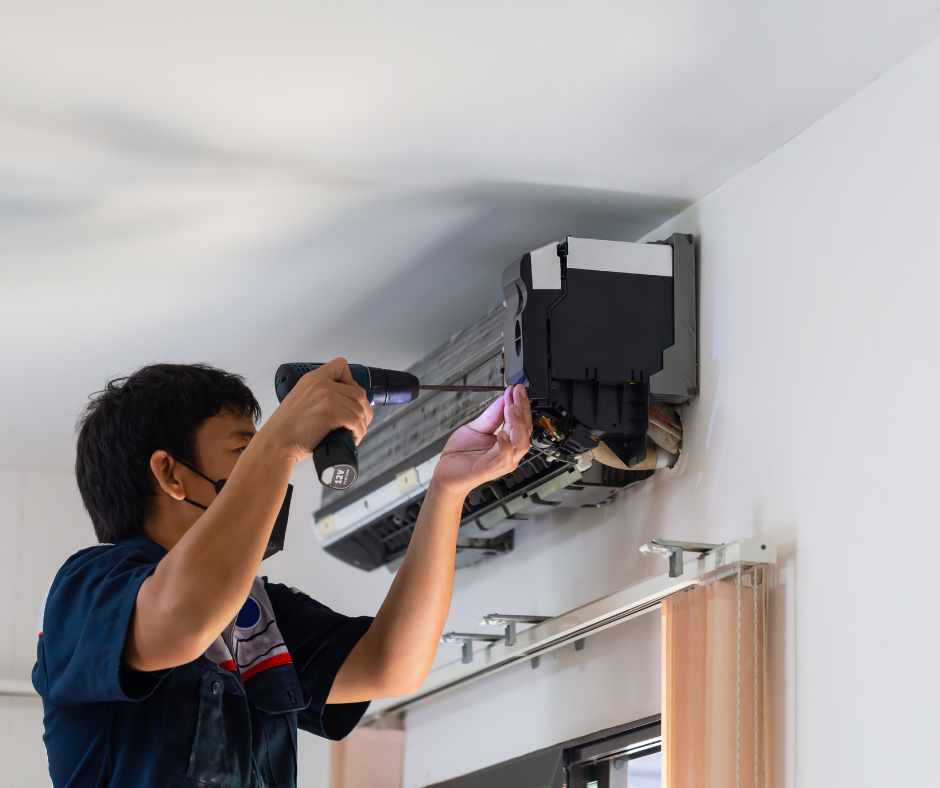
A licensed HVAC contractor can test refrigerant levels, inspect wiring, and diagnose compressor or fan issues safely.
Preventive Maintenance Tips
Regular seasonal maintenance is the key to avoiding “AC running but not cooling” situations.
- Spring: Schedule a professional tune-up before the cooling season.
- Summer: Keep coils clean and condensate drains clear.
- Fall: Inspect the heating side of your system if it’s a heat pump.
- Winter: Keep filters clean and protect outdoor units from ice buildup.
- Year-round: Maintain a relationship with a trusted local HVAC provider like Piedmont HVAC, Plumbing and Chimney for priority service and discounts.
Choosing a Trusted Local HVAC Company
When selecting a contractor, look for:
- North Carolina HVAC licensing and insurance.
- Local experience with coastal salt, mountain cold, and piedmont humidity.
- Transparent, written estimates.
- 24/7 emergency service.
- Positive customer reviews and references.
Piedmont HVAC, Plumbing and Chimney meets all of these standards. Our certified technicians understand North Carolina’s diverse climate and install systems built to last.
Frequently Asked Questions
Usually caused by dirty filters, low refrigerant, frozen coils, or thermostat issues. Check simple fixes before calling a pro.
Every 30–90 days, depending on use and indoor air quality. Replace more often in NC’s humid or dusty environments.
Turn off the AC and run the fan to thaw the coil. If it refreezes, call a technician to check refrigerant or airflow.
Yes. Turn off power, clear debris, and gently rinse with a hose. Avoid bending the fins.
It may be low on refrigerant, have restricted airflow, or the outdoor coil is clogged. Night humidity can make this worse.
Keep filters clean, maintain airflow, and schedule annual tune-ups to check refrigerant and blower operation.
No. Running the system under strain can damage the compressor. Shut it off until a technician inspects it.
Look for hissing sounds, oily residue on lines, or warm air from vents. Only certified technicians can fix leaks safely.
If your AC is running but not cooling in North Carolina, don’t wait for the next heatwave. Piedmont HVAC, Plumbing and Chimney provides fast, licensed repair and maintenance across the region. From thermostat fixes to refrigerant repairs, our team keeps your home comfortable year-round.
Call today or schedule online for expert AC repair and maintenance in North Carolina.