Most homeowners know they should get their chimney cleaned once a year, but what if problems show up sooner? A chimney can’t always wait until the next scheduled sweep. In fact, ignoring the warning signs of creosote buildup, blockages, or damage can put your home and family at serious risk.
At Piedmont HVAC, Plumbing & Chimney, we want our customers to feel confident about fireplace safety. That’s why we’ve put together this in-depth guide on the top signs your chimney needs a professional sweep immediately.

Why Chimney Sweeping Important
Every time you burn wood, pellets, or other fuels, your chimney collects soot and creosote, a sticky, highly flammable substance. Even gas fireplaces, while cleaner, can still suffer from blockages, cracks, or draft problems.
When left unchecked, these issues lead to:
- Chimney fires fueled by creosote buildup
- Carbon monoxide leaks from poor draft or blockages
- Costly repairs caused by water intrusion or liner failure
- Insurance claim denials if you can’t show proof of professional maintenance
The NFPA 211 standard requires annual chimney inspections, but sometimes you’ll need service sooner. Here are the red flags to watch for:
1. Thick Creosote Buildup
If you see shiny black deposits coating the inside of your fireplace or flue, that’s glazed creosote and it’s a serious hazard. Just 1/8 inch is enough to spark a chimney fire. Unlike loose soot, glazed creosote is hard, tar-like, and extremely difficult to remove without specialized rotary tools.
Pro tip: Creosote odors (sharp, smoky, or tar-like) often show up on humid days. If you smell it, it’s time for a sweep.
2. Smoke Backing Into the Room
A healthy chimney should carry smoke straight up and out. If smoke enters your living room instead, it usually means:
- Creosote and soot are restricting airflow
- The flue is blocked by debris, leaves, or nests
- The damper is stuck or broken
3. Poor Draft and Hard-to-Light Fires
Do your fires struggle to stay lit or produce more smoke than heat? That’s often a draft problem. A blocked or narrowed chimney flue can’t pull in enough oxygen to feed the fire. In some cases, negative air pressure in your home worsens the problem. A professional chimney inspection can quickly pinpoint the cause.
4. Excessive Soot and Stains
Black stains around your fireplace opening, hearth, or walls mean smoke and soot are leaking back into the home. Inside the flue, thick soot layers also restrict airflow and increase fire hazards. If you’re cleaning up soot more often than usual, your chimney likely needs sweeping.
5. Strange or Strong Odors
If your fireplace smells smoky, musty, or tar-like even when not in use, creosote is the likely culprit. In summer, humidity makes the odor worse. Sometimes the smell may come from animal droppings or a decaying nest, which should be removed immediately.
6. Animal Nests or Debris
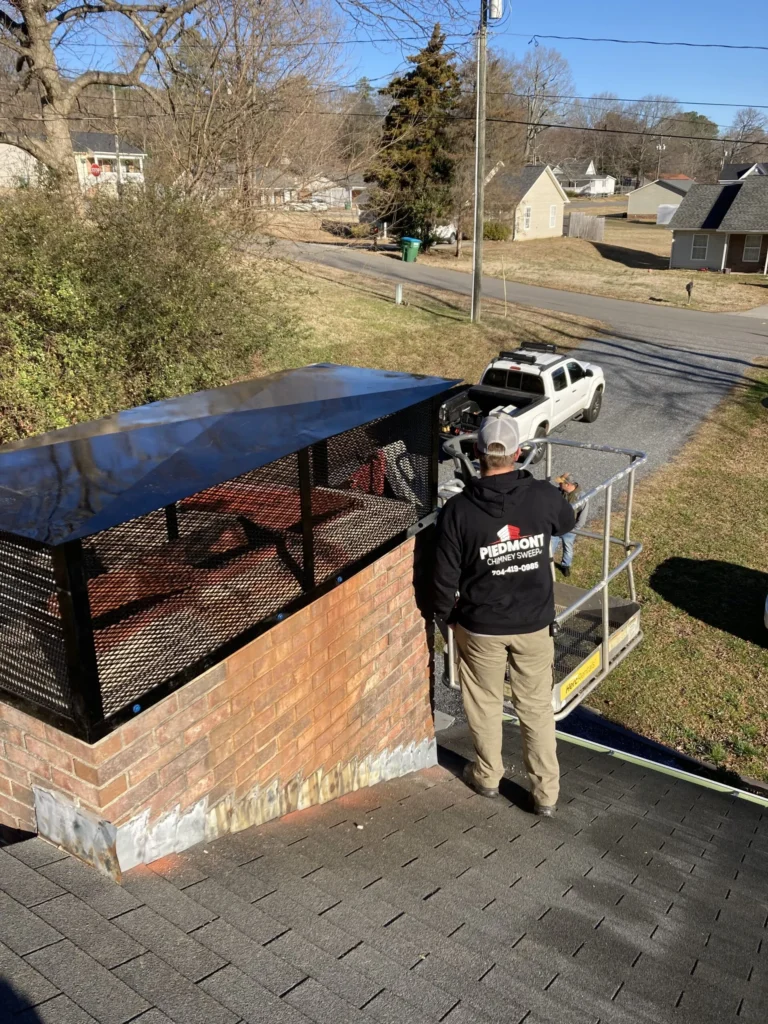
Chimneys without proper caps are prime real estate for birds, squirrels, raccoons, and even bees. Nests, leaves, and twigs can completely block a flue, forcing smoke back into your home. Worse, they’re a major fire hazard if ignited by rising embers.
7. Visible Cracks or Damage
During seasonal use, the constant heating and cooling of the chimney can crack mortar joints, flue liners, and crowns. If you spot cracked masonry, loose bricks, or rusted dampers, your chimney isn’t just dirty, it’s unsafe. These defects allow heat and flames to reach nearby wood framing, potentially starting a house fire.
8. Water Leaks or Moisture Problems
Water stains around the fireplace, rusted dampers, or a damp, musty smell in your chimney mean moisture is seeping in. Water mixes with soot and creosote to form an acidic sludge that eats away at mortar, liners, and metal components. A sweep can identify the source of leaks and recommend repairs.
9. Recent Chimney Fire
Many chimney fires burn quietly and go unnoticed. Signs include:
- Puffy or warped creosote deposits
- Cracked flue tiles
- A strong burnt odor after use
If you suspect a chimney fire, even a small one, schedule a professional inspection and sweep immediately.
10. It’s Been Over a Year Since Your Last Sweep
Even if you don’t see obvious problems, skipping your annual sweep is risky. Creosote can build up invisibly, and small cracks can go unnoticed. The NFPA recommends yearly inspections for every chimney, regardless of fuel type.
Risks of Ignoring These Warning Signs
Putting off a professional chimney sweep and inspection may not seem urgent, but the consequences can be severe both for your safety and your wallet.
Chimney Fires
The most immediate danger of neglect is a chimney fire. Creosote, the black, tar-like byproduct of wood burning is highly flammable. Just a small spark can ignite it, sending flames roaring up your chimney at temperatures exceeding 2,000°F.
These fires often spread into surrounding walls, attics, and roofs, causing extensive structural damage. Even small or “silent” chimney fires that go unnoticed can crack liners and weaken the system, leaving it unsafe for future use.
Carbon Monoxide Poisoning
A blocked or damaged flue can prevent gases from venting properly. This creates a dangerous buildup of carbon monoxide, an invisible, odorless gas that can cause headaches, dizziness, nausea, or even death in high concentrations.
Costly Repairs
What starts as a thin layer of creosote or a small mortar crack can escalate into major repairs. Without maintenance, you may face the expense of a chimney relining, crown replacement, or full masonry rebuild, which can cost thousands of dollars.
Insurance Denials
Homeowners insurance providers often ask for proof of routine chimney maintenance when processing claims after a fire or smoke incident. If you cannot show records from a licensed chimney sweep, your claim may be denied, leaving you responsible for the full cost of repairs or property restoration.
Health and Air Quality Issues
Beyond safety risks, a dirty chimney impacts indoor air quality. Soot and creosote odors can drift into your home, especially during humid weather. Prolonged exposure may aggravate asthma, allergies, and other respiratory conditions, particularly in children and elderly family members.
At Piedmont HVAC, Plumbing & Chimney, we’ve seen homeowners spend thousands of dollars on fire damage repairs, smoke cleanup, or full chimney rebuilds costs that could have been easily avoided with routine sweeping and inspection.
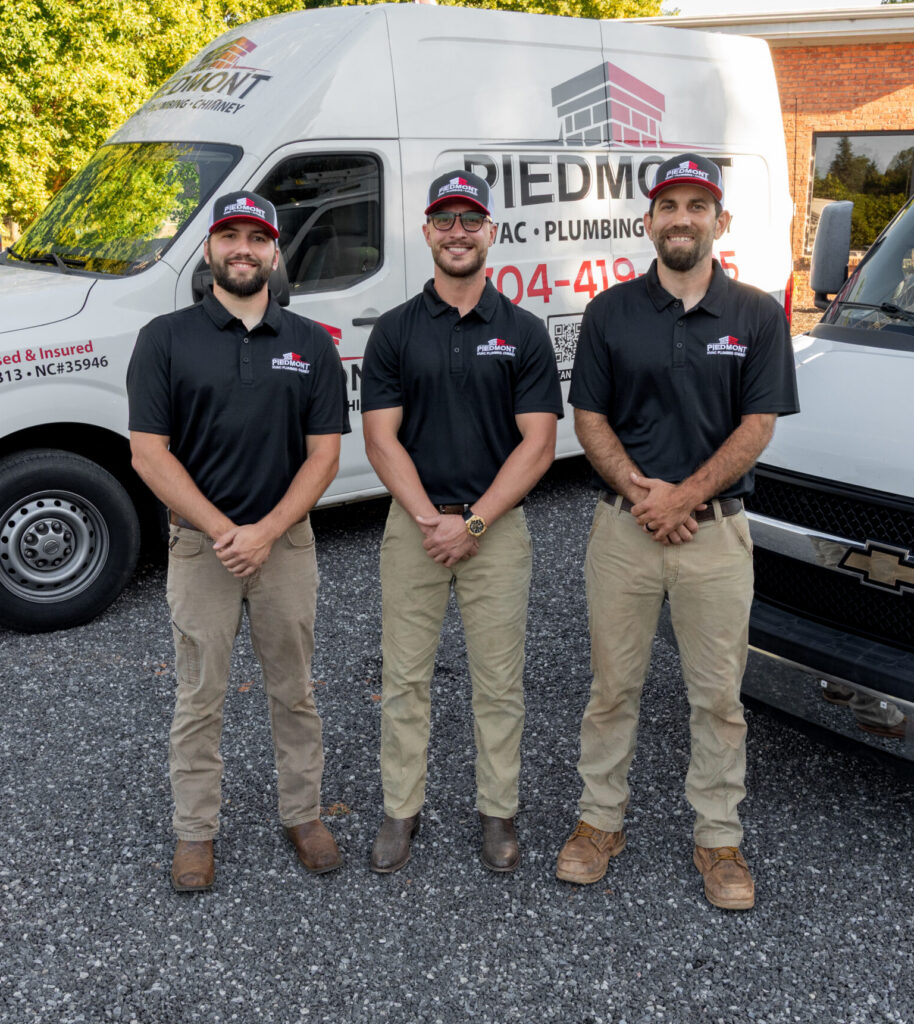
Why Hire a Professional Chimney Sweep?
While DIY kits exist, they rarely remove hardened creosote or detect hidden damage. Licensed chimney sweeps like Piedmont’s team use:
- HEPA-filtered vacuums for no-mess cleaning
- Camera inspections to spot cracks and blockages
- Draft testing to ensure proper airflow
- Documentation for insurance and compliance
A small annual investment in a professional sweep protects your family, your property, and your peace of mind.
FAQs
At least once a year, or more often if you burn wood daily. The NFPA 211 standard requires annual inspections.
You risk chimney fires, carbon monoxide leaks, smoke damage, and expensive repairs from hidden damage.
Yes. Gas produces fewer byproducts but can still suffer from blockages, cracks, or poor draft.
Look for shiny, tar-like deposits inside your flue or notice strong odors during humid days.
Most residential sweeps take 45 to 90 minutes, depending on buildup and chimney height.
Many insurers recommend or require proof of annual service to validate claims after a fire or smoke incident.
DIY brushing may remove loose soot but rarely clears glazed creosote or detects hidden hazards. Hiring a licensed professional is safest.
Your chimney is more than just a smoke exit, it’s part of your home’s safety system. If you notice creosote buildup, smoke backup, odors, stains, or damage, don’t wait. These are the top signs your chimney needs a professional sweep right away.
At Piedmont HVAC, Plumbing & Chimney, we provide licensed, insured, and CSIA-certified chimney sweep services across Shelby and Cleveland County. Our advanced tools, no-mess process, and detailed inspections keep your chimney safe, efficient, and code-compliant.
📞 Call us today at 704-419-0985 to schedule your chimney services and protect your home this season.