The first warm stretch after winter feels like relief.
Until you hear dripping behind a wall.
Or you turn on an outdoor spigot and water sprays everywhere.
Or your water pressure suddenly drops for no clear reason.
Spring is when plumbing problems show up. Winter stress does not always cause immediate damage. Pipes freeze, expand, contract, and endure temperature swings for months. When things thaw and water pressure normalizes, hidden weaknesses become visible.
At Piedmont HVAC, Plumbing and Chimney, late winter and early spring bring a noticeable spike in service calls. Most of them trace back to cold weather stress.
If you know what to look for, you can catch issues early before they turn into water damage, mold growth, or costly structural repairs.
Common Plumbing Problems After Winter
The most common plumbing problems after winter include:
- Burst or cracked pipes
- Outdoor faucet damage
- Slab leaks
- Water heater strain
- Sump pump failure
- Sewer line blockages
- Low water pressure
- Hidden pipe leaks
- Foundation cracks from frost movement
- Clogged drains from debris buildup
Now let’s break each one down.

1. Burst or Cracked Pipes
Frozen pipes are the most well-known winter plumbing issue.
When water freezes, it expands. That expansion increases pressure inside the pipe. Even a small freeze can create a hairline crack. Sometimes the pipe does not fully burst until it thaws and pressure returns.
Signs of post-winter pipe damage include:
- Damp drywall
- Ceiling stains
- Sudden drop in water pressure
- Water meter running when no fixtures are on
Pipes located in crawl spaces, attics, exterior walls, and garages are most vulnerable.
Many homeowners assume that if they did not experience a full burst during winter, they are safe. That is not always true. Small cracks often reveal themselves weeks later.
2. Outdoor Faucet and Hose Bib Damage
Exterior faucets are especially vulnerable to freezing temperatures.
If outdoor spigots were not properly winterized, the pipe inside the wall may have cracked. When spring arrives and the faucet is used, water leaks inside the wall cavity instead of outside.
Warning signs include:
- Dripping behind siding
- Soft drywall near exterior walls
- Reduced outdoor water pressure
- Visible splitting at the hose bib
Replacing a hose bib early is far less expensive than repairing hidden wall damage.
3. Hidden Pipe Leaks Behind Walls
Freeze-thaw cycles stress plumbing joints. Expansion during freezing and contraction during thawing weakens fittings and connections. Once full water pressure returns, leaks appear at elbows and connectors.
Common signs:
- Moldy smells
- Peeling paint
- Warped flooring
- Increased water bill
Hidden leaks often go undetected for weeks. By the time staining appears, damage may already be significant. At Piedmont HVAC, Plumbing and Chimney, we use moisture detection tools to locate hidden plumbing leaks without unnecessary wall demolition.
4. Slab Leaks
Homes built on concrete slabs are particularly vulnerable.
When ground temperatures fluctuate, soil expands and contracts. This movement stresses underground water lines.
Signs of a slab leak include:
- Warm spots on flooring
- Cracks in tile or foundation
- Sudden drop in water pressure
- Unexplained water pooling
Slab leaks require immediate attention because they can compromise foundation integrity.
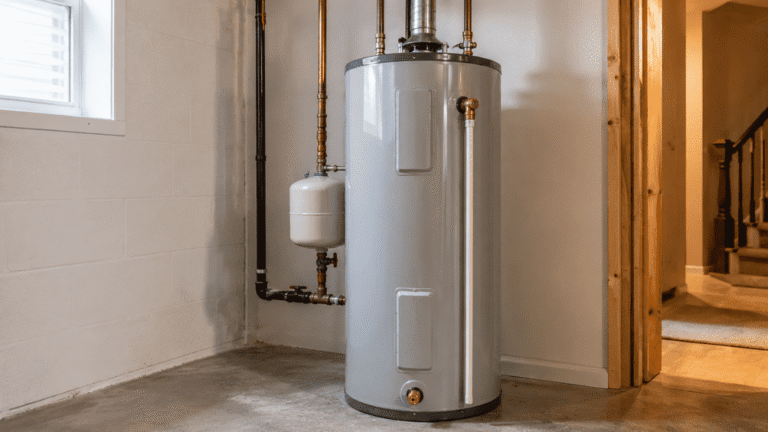
5. Water Heater Strain After Winter
Winter increases water heater workload.
Colder incoming water means the heater must work harder to reach the set temperature. Over several months, sediment buildup increases and heating elements experience more stress.
Post-winter water heater problems often include:
- Inconsistent hot water
- Rumbling or popping sounds
- Rust-colored water
- Leaks around the base
Most tank water heaters last 8 to 12 years. If your unit is near that range and showing signs of strain, spring is the right time for inspection.
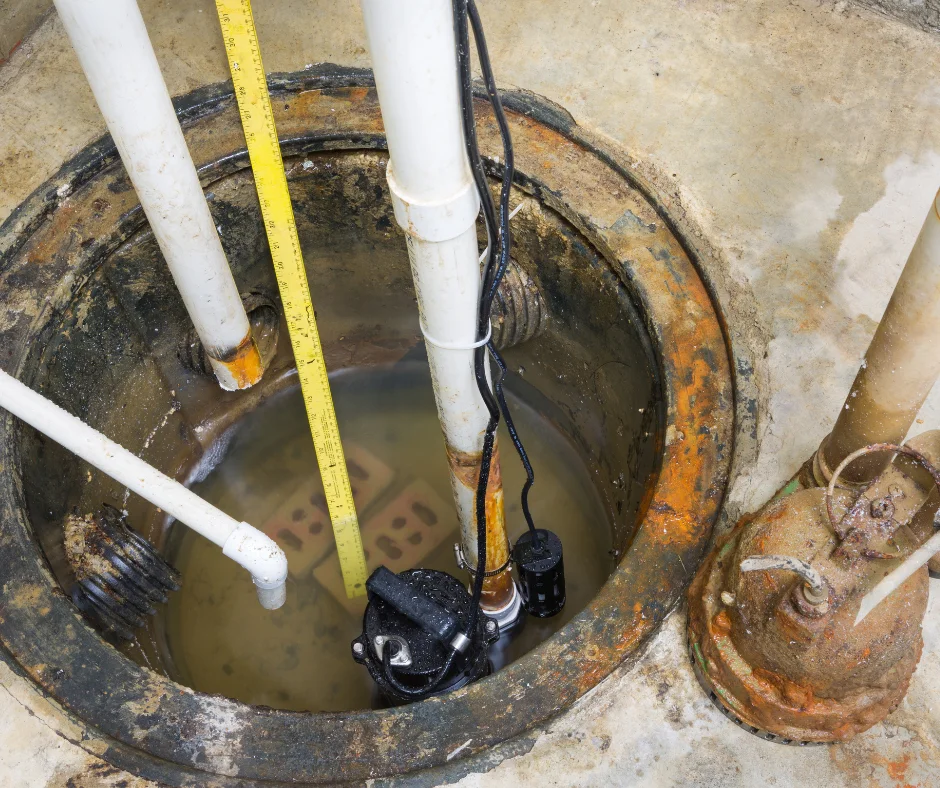
6. Sump Pump Failure
Sump pumps work hardest during late winter and early spring due to melting snow and heavy rain. If the pump failed during winter or the discharge line froze, water may accumulate unnoticed.
Common sump pump issues after winter:
- Motor failure
- Clogged discharge line
- Float switch malfunction
- Frozen or cracked pipes
A sump pump that fails during heavy spring rain can result in basement flooding within hours. Testing it before peak rainfall is critical.
7. Sewer Line Blockages
Cold soil conditions can shift underground pipes. Tree roots also become aggressive in spring, searching for moisture. Cracks created during winter create ideal entry points for roots.
Warning signs of sewer line damage:
- Slow drains throughout the house
- Gurgling sounds
- Sewage odor
- Multiple backups
Ignoring sewer line problems can lead to extensive excavation and repair costs.
8. Low Water Pressure
After winter, some homeowners notice lower-than-normal water pressure.
Possible causes include:
- Mineral buildup
- Pipe corrosion
- Cracked supply lines
- Hidden leaks
- Partially frozen damage
If pressure drops suddenly, it should not be ignored. It often signals an underlying leak.
9. Clogged Drains
During winter months, kitchens and bathrooms often experience heavier usage.
Grease buildup, hair accumulation, and debris combine with reduced water flow to create clogs.
Spring drain issues may include:
- Slow drainage
- Frequent backups
- Foul odors
- Standing water in sinks or tubs
Professional drain cleaning prevents larger blockages later in the year.
10. Foundation Cracks and Plumbing Shifts
Freeze-thaw cycles cause soil movement. When soil expands and contracts, it places stress on both foundations and buried plumbing lines.
Signs include:
- Small foundation cracks
- Uneven flooring
- Pipe misalignment
- Increased plumbing noise
Early evaluation prevents structural complications.
Why Plumbing Problems Appear After Winter
Winter plumbing damage does not always show up immediately. In many homes, the damage begins during freezing temperatures but becomes visible weeks later when conditions normalize.
Here is why spring reveals common plumbing problems after winter:
1. Frozen Water Expands and Weakens Pipes
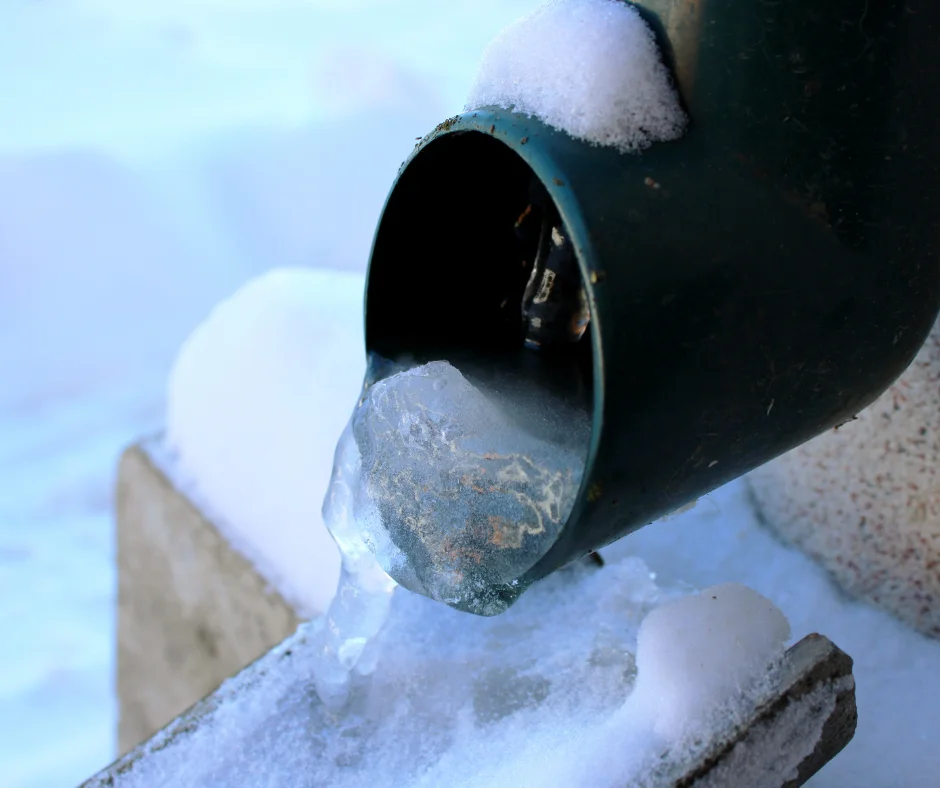
When water freezes, it expands by approximately 9 percent in volume. That expansion increases internal pressure inside pipes. Even copper, PEX, and galvanized steel lines can develop stress fractures under freeze conditions.
Pipes do not always burst immediately. Many develop small cracks or weakened joints that begin leaking once temperatures rise and full water pressure returns.
This is one of the most common causes of:
- Burst pipes after winter
- Hidden pipe leaks
- Low water pressure in spring
- Ceiling stains and wall damage
Homes with pipes located in crawl spaces, attics, exterior walls, and garages are especially vulnerable to post-winter pipe damage.
2. Thawing Restores Full Water Pressure
During winter, partial freezing can restrict water flow. When thawing occurs, normal pressure returns throughout the plumbing system.
Residential water pressure typically ranges between 40 and 60 PSI. When that pressure is restored after freezing conditions, weakened fittings, elbows, and joints can begin leaking.
This explains why homeowners often notice:
- Sudden drops in water pressure
- Unexplained water meter movement
- Damp drywall
- Increased water bills
Small freeze-related cracks often reveal themselves only after pressure normalizes.
3. Soil Shifts Create Underground Stress
Freeze-thaw cycles cause soil expansion and contraction. When soil freezes, it expands upward. When it thaws, it settles unevenly.
This movement stresses:
- Underground water supply lines
- Sewer lines
- Drain pipes
- Foundation plumbing connections
Even minor ground movement can shift pipes slightly, causing joint separation or small fractures.
These shifts are a common cause of:
- Slab leaks
- Sewer line blockages
- Root intrusion
- Foundation cracks near plumbing lines
Spring is when many homeowners first notice slow drains or sewage odors caused by winter soil movement.
4. Increased Rainfall Tests Drainage Systems
Spring typically brings heavier rainfall in many regions. That sudden increase in groundwater and surface runoff tests drainage systems that were stressed all winter. Sump pumps, foundation drains, and sewer lines experience higher load. If there was any winter damage, spring rainfall exposes it.
Common post-winter plumbing issues triggered by rain include:
- Sump pump failure
- Basement flooding
- Sewer backups
- Clogged drain lines
- Exterior drain collapse
Sump pumps that operated continuously during winter thaw cycles are especially prone to motor fatigue and float switch failure.
5. Temperature Fluctuations Strain Plumbing Joints
Winter does not just bring freezing temperatures. It brings repeated temperature swings.
Daily freeze and thaw cycles create expansion and contraction stress in:
- Pipe joints
- Shut-off valves
- Hose bib connections
- Soldered copper fittings
- PEX crimp rings
Over time, that repeated movement weakens seals and fittings. Minor joint damage becomes noticeable once plumbing systems return to consistent operating temperatures in spring.
6. Increased Indoor Water Usage During Winter
During colder months, indoor plumbing usage typically increases. Homes use more hot water for showers, laundry, and dishwashing. That increased demand can accelerate:
- Water heater sediment buildup
- Drain clog formation
- Grease accumulation in kitchen lines
- Mineral buildup in older pipes
When spring arrives, the combined effect of winter stress and heavier usage often results in:
- Slow drains
- Reduced hot water output
- Rumbling water heater sounds
- Foul drain odors
Why Minor Damage Becomes Noticeable in Spring
The key reason plumbing problems after winter become visible in spring is pressure normalization.
Once:
- Ice melts
- Water flow returns to full volume
- Soil settles
- Rain increases groundwater levels
Small structural weaknesses can no longer withstand normal system load. That is why common plumbing problems after winter often include:
- Burst or cracked pipes
- Hidden leaks behind walls
- Low water pressure
- Sewer line blockages
- Sump pump failure
- Water heater strain
Early detection prevents mold growth, foundation damage, and structural repair costs.
At Piedmont HVAC, Plumbing and Chimney, spring plumbing inspections focus on pressure testing, leak detection, sewer line evaluation, and sump pump performance to identify freeze-related damage before it escalates.
How to Prevent Plumbing Problems After Winter
Preventive steps reduce risk significantly:
- Inspect exposed pipes
- Test outdoor faucets
- Check water pressure
- Inspect water heater for leaks
- Test sump pump
- Schedule camera inspection for sewer lines
- Flush sediment from water heater
Routine inspection catches small issues early.
At Piedmont HVAC, Plumbing and Chimney, spring plumbing evaluations focus on leak detection, pressure testing, drain inspection, and water heater performance.
Proactive maintenance prevents emergency calls.
Frequently Asked Questions
Burst or cracked pipes are the most common issue due to freeze expansion and thaw pressure.
Signs include low water pressure, damp walls, ceiling stains, or an unexplained increase in water bills.
Yes. Small cracks may not leak until full water pressure returns in warmer weather.
Possible causes include pipe damage, corrosion, mineral buildup, or hidden leaks.
Pour a bucket of water into the pit. The pump should activate immediately and discharge properly.
Even minor leaks can cause mold growth and structural damage if ignored.