Gas fireplaces are easy to take for granted. You push a button, flip a switch, or turn a knob, and the fire starts without hauling wood, cleaning ash, or dealing with heavy smoke. Because of that, a lot of homeowners assume gas fireplace logs do not need much attention.
That is where problems can sneak in.
Gas logs may not create the same soot and creosote buildup as a wood-burning fireplace, but they still rely on fuel, flame, airflow, burner ports, pilot systems, ignition parts, gas connections, and proper ventilation. If one of those parts is dirty, blocked, loose, damaged, or out of position, your fireplace may not run the way it should.
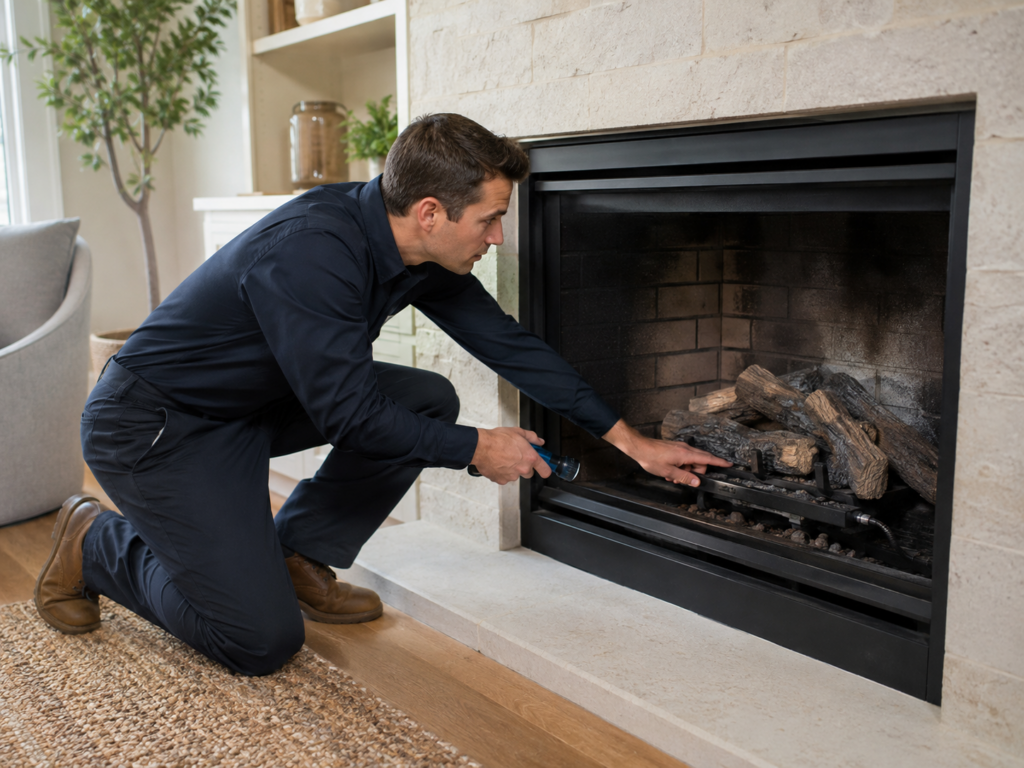
Before colder weather arrives, it is smart to have your gas fireplace logs inspected and serviced. A professional gas fireplace service can check the burner, pilot light or ignition system, log placement, gas connections, ventilation, firebox, and overall operation before you start using the fireplace regularly.
Piedmont HVAC, Plumbing and Chimney helps homeowners in Shelby and nearby North Carolina communities get their fireplaces ready before the season starts.
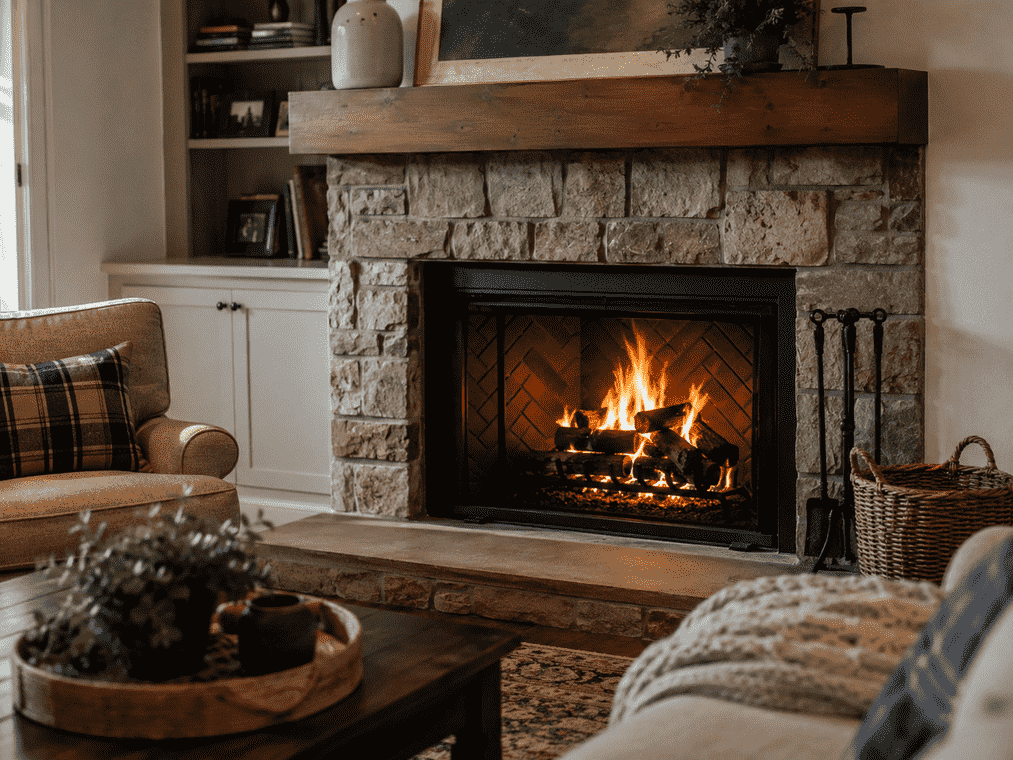
Do Gas Fireplace Logs Need Maintenance?
Yes, gas fireplace logs need maintenance. Even though they do not burn wood, gas logs still need professional inspection and service to make sure the burner, pilot light or ignition system, gas connections, log placement, ventilation, and safety controls are working properly. Homeowners should schedule gas fireplace service before fireplace season, especially if they notice unusual odors, trouble lighting the fireplace, soot buildup, uneven flames, or a pilot light that keeps going out.
Why Gas Logs Still Need Service
Gas logs are cleaner and more convenient than wood, but they are not maintenance-free. They still operate inside a firebox, use natural gas or propane, and depend on controlled combustion.
Over time, your gas fireplace can collect:
- Dust
- Pet hair
- Lint
- Debris
- Spider webs
- Insect nests
- Burner residue
- Soot
- Moisture-related corrosion
Those small things can affect how the fireplace lights, how the flame burns, and how safely the system vents.
A gas fireplace that worked fine last winter may not be ready this fall. After sitting unused for months, the pilot assembly may be dirty, the burner ports may be partially blocked, the logs may have shifted, or the venting path may need to be checked.
Gas log maintenance is not just about keeping the fireplace looking nice. It helps confirm the fireplace is clean, properly assembled, safely venting, and ready for regular use.
Gas Logs Do Not Make Wood Creosote, But They Can Still Create Soot
Wood-burning fireplaces can produce creosote, which is one reason chimney sweeping is so important for traditional fireplaces. Gas logs do not create the same kind of wood creosote buildup, but that does not mean soot is impossible.
Soot on gas logs, glass doors, the firebox, or nearby fireplace surfaces can be a warning sign. It may point to incomplete combustion, poor airflow, dirty burner ports, incorrect log placement, gas pressure concerns, or venting issues.
Watch for:
- Black marks on the logs
- Soot on the glass
- Dark stains near the firebox
- Yellow, lazy, or uneven flames
- Strong odors during operation
- Flames hitting the logs in the wrong place
Some decorative flame color is normal on certain gas log sets, but heavy soot is not something to ignore. If your gas fireplace is leaving black residue, schedule gas fireplace inspection and service before using it again.
What a Technician Checks During Gas Fireplace Log Service
A professional gas fireplace service looks at the system as a whole. The goal is to make sure the fireplace lights properly, burns correctly, vents safely, and shuts down the way it should.
Gas Connections
Checks visible gas connections, fittings, valves, and related parts for safe operation.
Burner System
Inspects the burner, burner ports, flame pattern, and overall flame color.
Pilot or Ignition
Reviews the pilot light, thermocouple, thermopile, or electronic ignition system.
Log Placement
Confirms ceramic or refractory logs are positioned correctly for proper burning.
Firebox and Glass
Looks over the firebox, glass doors, panels, and visible fireplace components.
Venting and Safety
Checks the venting path, chimney or flue, damper position, safety shutoff, and overall performance.
The exact service depends on the type of fireplace, the manufacturer’s instructions, and the condition of the system. A vented gas log set, vent-free gas log set, direct vent fireplace, and gas insert may not all be serviced the same way.
That is why professional service matters. A technician knows what to check based on the type of gas fireplace you have.
Gas Connections Should Be Checked Before Heavy Use
Any appliance that uses gas should be treated with care. Gas fireplace logs rely on secure connections, properly operating valves, and safe fuel delivery.
During service, a technician can inspect the visible gas line, shutoff valve, fittings, connectors, burner connection, and control valve area. The goal is to look for signs of wear, looseness, corrosion, damage, or leakage.
Call for service right away if you notice:
- Rotten egg odor
- Hissing sounds near the fireplace
- Fireplace will not shut off properly
- Fireplace will not light
- Flame changes suddenly
- Gas smell when the fireplace is off
If you smell gas, do not keep trying to light the fireplace. Turn the system off if it is safe to do so, leave the area, and contact the proper emergency or gas service provider.
Burner Ports Can Get Dirty or Blocked
The burner is what controls how the flame comes through the gas log set. Small burner openings can collect dust, lint, pet hair, spider webs, or debris during the months when the fireplace is not being used.
When burner ports are blocked, the fireplace may not light evenly. Flames may look weak, uneven, delayed, too yellow, or too tall in the wrong areas. In some cases, the burner may make popping or delayed ignition sounds.
Signs of dirty or blocked burner ports include:
- Uneven flames
- Delayed lighting
- Popping at startup
- Weak flame
- Soot buildup
- Flame hitting the logs incorrectly
- Fireplace shutting off unexpectedly
This is not a place to guess or poke around aggressively. Burner cleaning should be done carefully so the burner pattern, air mix, and log position are not disturbed.
Pilot Light and Ignition Problems Are Common Before Fireplace Season
If your gas fireplace has a standing pilot light, that pilot needs to be clean and steady. If your fireplace uses electronic ignition, the system still needs to spark, sense flame, and shut down safely when needed.
Pilot and ignition parts can get dirty or weak over time. A small amount of dust or buildup around the pilot assembly can cause frustrating problems once the weather turns cold.
Common signs include:
- Pilot light keeps going out
- Pilot will not light
- Fireplace lights and then shuts off
- Clicking sound but no ignition
- Weak or lazy pilot flame
- Fireplace takes several tries to start
- Remote or wall switch does not respond properly
The problem may involve the pilot assembly, thermocouple, thermopile, igniter, wiring, gas valve, batteries, or safety controls. A professional can test the system instead of replacing random parts.
Log Placement Matters More Than Most Homeowners Realize
Gas fireplace logs are not just decorative pieces. Their placement affects how the flame moves, how combustion happens, and how the fireplace vents.
If the logs are moved, bumped, cleaned incorrectly, or placed in the wrong order, the flame may hit surfaces it should not hit. That can cause soot, poor combustion, odors, overheating, or unsafe operation.
Improper log placement can lead to:
- Soot on logs or glass
- Uneven flames
- Flame rollout concerns
- Poor heat output
- Unusual odors
- Cracked logs
- Carbon monoxide concerns
- Fireplace shutdowns
This is especially important after cleaning. If the logs are removed, they should go back exactly where the manufacturer intended. Homeowners should not rearrange gas logs to make the flame “look better.” The setup is designed for safe operation, not just appearance.
Cracked or Damaged Gas Logs Should Be Checked
Gas fireplace logs are usually made from ceramic, refractory cement, or similar heat-resistant material. They are built to handle high heat, but they can still crack, chip, crumble, or wear down over time.
Small surface wear may not always mean immediate replacement, but damaged logs should be inspected. If a log breaks, shifts, or changes how the flame moves through the fireplace, the system may no longer burn properly.
Call for gas log service if you notice:
- Cracked logs
- Missing log pieces
- Crumbling edges
- Logs that shift easily
- Soot forming around one area
- Flames hitting a damaged section
- Logs that no longer sit securely
Replacement logs should match the fireplace and burner system. Using the wrong log set can create safety and performance problems.
Ventilation Still Matters With Gas Fireplaces
Gas fireplaces still need proper airflow and safe venting. The details depend on the type of system.
Vented gas logs use the chimney or flue to move combustion gases out of the home. The damper may need to stay open during operation, and the flue path should be clear. If the chimney, damper, cap, or venting path is blocked, damaged, or restricted, the fireplace may not vent safely.
Direct vent fireplaces use a sealed venting system that brings air in and sends exhaust out through a vent termination. That outside termination should stay clear of leaves, debris, nests, snow, damage, or blockage.
Vent-free gas logs are designed differently, but they still rely on proper room air, correct operation, and safety features. They should never be treated casually just because they do not use a traditional chimney.
Ventilation problems can show up as:
- Strong odors
- Soot buildup
- Condensation
- Flames that look wrong
- Fireplace shutdowns
- Headaches or discomfort during use
- Smoke-like residue
- Poor overall operation
If something feels off while the fireplace is running, turn it off and schedule service.
Carbon Monoxide Safety Should Always Be Part of Fireplace Prep
Carbon monoxide is a serious concern with fuel-burning appliances. You cannot see it or smell it, which is why working safety controls, proper combustion, and safe venting matter.
Before fireplace season, homeowners should:
- Test carbon monoxide alarms
- Replace weak or old batteries
- Keep alarms near sleeping areas
- Never ignore headaches or dizziness during fireplace use
- Watch for unusual flame color or odor
- Schedule service if the fireplace acts differently than normal
A gas fireplace that is dirty, blocked, damaged, or improperly venting can create risk. Professional gas fireplace inspection helps check the parts of the system homeowners cannot fully evaluate from the outside.
Warning Signs You Should Not Ignore
A gas fireplace should start smoothly, burn steadily, and operate without strong odors, soot, or repeated shutdowns. If it does not, something may need attention.
Schedule gas fireplace service if you notice:
- Trouble lighting the fireplace
- Pilot light keeps going out
- Delayed ignition or popping sounds
- Uneven flames
- Weak flames
- Excessive yellow or orange flames
- Soot on the logs or glass
- Strong gas odor
- Burning smell that does not fade
- Fireplace shuts off by itself
- Remote or wall switch problems
- Cracked logs
- Dirty glass
- Rust, moisture, or corrosion
- Unusual noises during startup
- Poor heat output
Do not wait until the first cold night to test it. If the fireplace has a problem, colder weather is when everyone else starts calling too.
Why Fall Is the Right Time for Gas Fireplace Maintenance
Gas fireplace problems are easier to deal with before regular use begins. Once cold weather arrives, homeowners start using fireplaces more often, and service schedules can get busier.
Scheduling before fireplace season gives you time to:
- Clean the burner area
- Check gas connections
- Test the pilot or ignition system
- Confirm proper log placement
- Inspect venting
- Fix minor issues early
- Avoid last-minute repair stress
- Make sure the fireplace is ready for guests, holidays, and cold nights
Fall fireplace maintenance is about preparation. You do not want to find out your gas logs will not light when you are finally ready to use them.
What Homeowners Can Safely Check
There are a few simple things homeowners can look at before calling for service. Keep it basic and do not take apart gas components.
You can check:
- Is the fireplace area clear?
- Are the glass doors clean and undamaged?
- Do the logs look cracked or shifted?
- Does the fireplace light normally?
- Does the flame look even?
- Does the pilot stay lit?
- Do you smell gas?
- Are carbon monoxide alarms working?
- Is the exterior vent clear if visible?
- Has the fireplace been serviced in the past year?
Do not move logs around, remove burner parts, adjust gas valves, or attempt gas repairs yourself. If the system does not look or operate normally, schedule professional gas fireplace service.
Why Choose Piedmont HVAC, Plumbing and Chimney?
Piedmont HVAC, Plumbing and Chimney helps homeowners get their gas fireplaces ready before regular seasonal use. Our team checks the parts that matter most for safe, reliable operation, including the burner, pilot light or ignition system, gas connections, log placement, ventilation, and overall fireplace performance.
Homeowners call us for:
- Gas fireplace service
- Gas log maintenance
- Gas fireplace inspection
- Gas fireplace cleaning
- Pilot light problems
- Ignition issues
- Soot buildup
- Uneven flame concerns
- Gas connection checks
- Fireplace safety checks
- Venting concerns
- Pre-season fireplace service
If you are in Shelby, Kings Mountain, Gastonia, Forest City, Cherryville, Rutherfordton, Hickory, Morganton, or a nearby North Carolina community, call Piedmont HVAC, Plumbing and Chimney to schedule gas fireplace log service before fireplace season gets busy.
Final Thoughts
Gas fireplace logs are convenient, but they still need care. They use real fuel, real flame, and real venting components. Dust, debris, clogged burner ports, pilot problems, loose connections, incorrect log placement, damaged logs, and ventilation issues can all affect safety and performance.
Before colder weather sets in, ask one simple question: are your gas fireplace logs actually ready to use?
If you are not sure, schedule service before fireplace season starts. Piedmont HVAC, Plumbing and Chimney can inspect and service your gas fireplace so it is clean, safe, and ready when your home needs it.
Frequently Asked Questions
Most homeowners should have gas fireplace logs inspected and serviced once a year, ideally before fireplace season. Annual service helps catch dirty burners, pilot issues, gas connection concerns, damaged logs, soot buildup, and venting problems before regular use begins.
A light dusty smell can happen when dust burns off after the fireplace has been unused for months. That smell should fade quickly. A strong gas odor, burning plastic smell, smoky odor, or smell that keeps coming back should be checked by a professional.
A pilot light that keeps going out may be caused by a dirty pilot assembly, weak thermocouple, thermopile issue, draft problem, gas supply concern, or safety control issue. If the pilot will not stay lit, schedule gas fireplace service before using the fireplace.
A small amount of discoloration can happen over time, but heavy soot is not normal. Soot on gas logs, glass, or the firebox can point to dirty burner ports, incorrect log placement, poor airflow, wrong flame pattern, or venting concerns.
You can gently remove light dust around the fireplace when the unit is off and cool, but you should not move logs, clean burner parts, adjust gas valves, or take apart the pilot system unless you are trained to do so. Incorrect cleaning or log placement can create safety issues.
Piedmont HVAC, Plumbing and Chimney services gas fireplace logs near Shelby, NC and surrounding communities. Call today for gas fireplace inspection, cleaning, pilot light service, ignition troubleshooting, and pre-season fireplace maintenance.